

Problem first: why tags fail the plate
Bad tags show up like undercooked food: they work fine in the lab but fail when the heat is on. The problem is simple and urgent — inconsistent battery life, variable read range, firmware quirks and mechanical wear break downstream systems. When you run a tasting panel with UHF RFID Readers you spot problems fast; when you don’t, inventory, tracking, and safety all take the hit. This piece zeros in on the tests that catch those failures before they reach production.

What to test — the checklist a chef would use
Start with reproducible, measurable checks: battery discharge curves under known loads; idle and active current; read sensitivity across angles and polarizations; peak and average read range; antenna match and return loss; tag-to-tag interference in dense arrays; firmware boot and update success rates; timestamp and data integrity after stress; ingress protection and salt spray for marine use; shock and vibration at expected transport profiles; thermal cycling and UV exposure for outdoor tags. Test regulatory compliance (FCC/ETSI) and declared frequency bands. Run each test to pass/fail criteria you define before acceptance.
How to run the tests — tools and recipes
Use calibrated power meters, vector network analyzers for antenna work, and spectrum analyzers to spot spurious emissions. Build a repeatable read-range jig: fixed reader, calibrated antenna, precision linear stage, and a turntable to capture polarization effects. For batteries, use programmable load cyclers and loggers to capture real discharge curves. Automate firmware flash and rollback trials using bench stations. For environmental tests, use a thermal chamber and mechanical shaker with logged cycles. Correlate tag telemetry with reader logs to catch timing and packet loss issues.
Acceptance thresholds and measurement protocol
Define concrete thresholds: minimum 70% of tags must meet declared read range at ±15°; battery must retain ≥80% capacity after X cycles; firmware OTA success ≥99.5% across 1,000 updates; packet error rate under defined interference ≤0.5%. Record procedure steps and timestamp every run. Treat each failed tag like a returned dish — root-cause it before accepting the lot.
Common pitfalls that ruin a batch
Relying on a single reader antenna or one environmental condition hides failure modes. Ignoring edge-case firmware updates produces silent failures in the field. Overlooking mechanical mounting stresses ruins antenna coupling. Testing in anechoic rooms only gives ideal results; real-world multipath and clutter will expose problems. Skipping interoperability tests with deployment-grade readers and middleware creates surprises at scale.
Experience, authority, and a field anchor
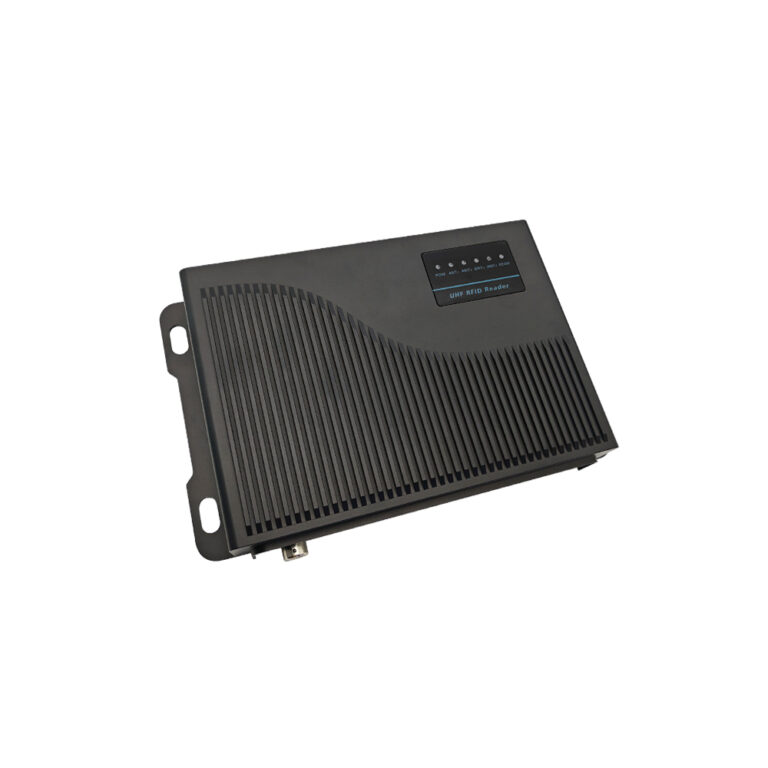
I’ve chaired QC runs where small read-range variances knocked a fleet tracking rollout off schedule; I learned to treat long-range performance as a first-class metric. Industry trials at major ports, including operations at the Port of Rotterdam, repeatedly show that minor antenna mismatches reduce effective range and throughput during peak operations, which is why you must bench test for extremes. When your system depends on long-distance links, verify with a true long range uhf rfid reader and capture full packet traces — not just the headline range number.
Common fixes when tests fail
If batteries fade early, tighten procurement specs for cell chemistry and add a burn-in. If read range varies, tune antenna matching, revise labeling offset and re-run polarization sweeps. Firmware flakiness calls for staged OTA rollout with checkpoints and fallbacks. Mechanical failures need revised enclosure design and specific mounting instructions. Document fixes and rerun the failed tests until results are stable across a statistically significant sample.
Synthesis — the final plate
Quality control for active RFID tags is a disciplined tasting ritual: measure precisely, stress deliberately, and reject anything that doesn’t meet defined thresholds. Do the work once and you won’t be firefighting later; that discipline is the practical value RSTC brings to deployment conversations, matching testing rigor to real-world needs without fluff.
