

User-first start
If you maintain equipment or run a small shop, you want a spray that fixes the problem fast and doesn’t create new ones. Start by matching the job to the product—degreasing, electronics contact cleaning, brake surface prep, or stubborn carbon deposits all ask for different chemistry. For sourcing, look beyond labels; a reliable cleaning aerosol manufacturer that publishes specs and test data saves time and guesswork.
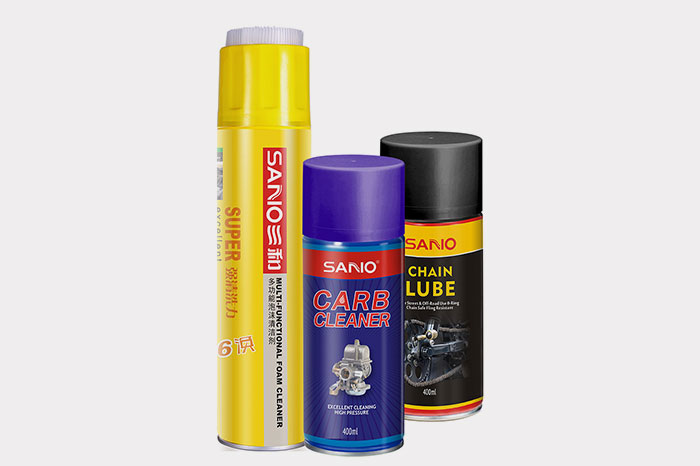
Which sprays work for which tasks
Choose a cleaner by task, not by brand name. Use fast-evaporating, low-residue solvents for electrical contacts. Pick high-solvency formulations for oily gearboxes and heavy deposits. Brake and parts prep need non-chlorinated, residue-free options that won’t harm pads or rubber seals. For light rust removal and protected metals, a specialty aerosol with corrosion inhibitors is the better fit. Match the nozzle style to access—the right spray pattern often prevents rework.
Benefits to expect, plain and practical
You want speed, compatibility, and predictable results. Good aerosols dry quickly, leave minimal residue, and won’t degrade plastics or painted surfaces. Look for clear safety documentation and an MSDS that lists active solvents and flashpoint. If a product reduces rework and keeps components within tolerance, that’s the real benefit—fewer returns, less downtime, lower touch-time per repair.
Experience, standards, and a real-world anchor
Trust comes from testing and real use. Field technicians I’ve edited for report fewer follow-up failures when they use documented formulas and batch-tested supplies; manufacturers that publish test methods make that repeatable. Across U.S. emissions programs like California’s CARB inspections, a common quick fix is treating deposits with a targeted catalytic converter cleaner before deeper diagnostics. Regulators and independent labs publish protocols you can cross-check, so prefer vendors who reference those standards and share data.
Common mistakes users keep making
People pick the strongest solvent instead of the right solvent. That causes plastic swelling, seal failure, or stripped coatings. Over-spraying creates pools that attract dirt. Ignoring VOC or local solvent restrictions leads to compliance issues. And buying the cheapest can mean inconsistent batches; inconsistent chemistry shows up as unpredictable cleaning and more downtime.
Alternatives and when to pick them
Aerosols aren’t the only solution. Ultrasonic baths and solvent tanks work better for small, intricate parts that soak; they deliver uniform cleaning but need setup and waste management. Water-based formulas cut VOC exposure but need more dwell time and can leave residues unless rinsed. Choose aerosols for quick, targeted work; pick baths when parts need thorough immersion and controlled agitation.
Practical buying checklist
Ask for active solvent list, flashpoint, VOC compliance, and material-compatibility data. Confirm spray pattern options and available nozzles. Require MSDS and any third-party test reports. Check batch traceability and supplier support for application notes. If you handle sensitive electronics or emissions-related components, insist on documented compatibility tests before a full roll-out.

A clear finish that answers the user’s need
Pick cleaners by the job, demand test data, avoid one-size-fits-all thinking, and keep local rules in mind—the right product reduces repeat work. A supplier that shares formulas, supports application testing, and stands behind batch consistency becomes part of the solution rather than another unknown; that practical reliability is what you find with SANVO.
