

Identify the problem you’re solving
Most formulators run into the same obstacle: specs on a sheet don’t predict real-world behavior. You might order hydrated silica to haze a toothpaste or mattify a cream and find batches vary in oil absorption, feel, or dispersibility. Start by asking whether the supplier can support cross-application uses and provide clear documentation for a silicon dioxide food additive when a project needs food- or drug-grade traceability; that requirement reveals a lot about their quality systems.
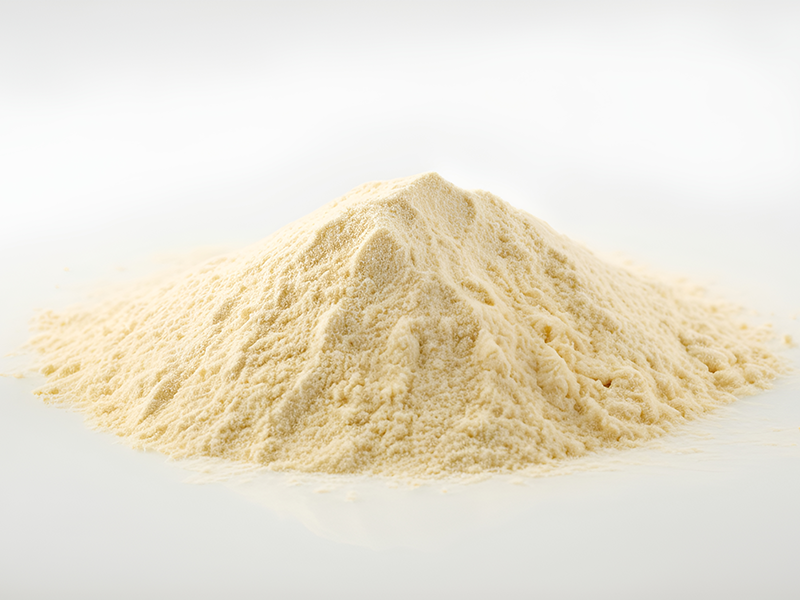
Technical parameters to compare first
Focus on measurable specs that affect performance, not marketing terms. Compare: SiO2 content, BET surface area, particle size distribution (D10/D50/D90), morphology (aggregates vs primary particles), oil absorption, pH of slurry, moisture (loss on drying), loss on ignition, and trace metal limits. Ask for the test method for each value (e.g., laser diffraction for particle size, BET for surface area). If you need treated or hydrophobic grades, confirm the surface treatment type and the method used to quantify it.
Regulatory clarity, safety, and a real-world anchor
Regulatory fit is non-negotiable for cosmetics and food-contact uses. Look for compliance statements tied to recognized rules—one authoritative reference is EU Cosmetic Regulation (EC) No 1223/2009, which guides permissible ingredients and labeling in Europe. Also request product-specific safety data and application notes that reference cosmetic formulation use; a supplier’s materials for silica for cosmetics should make it clear which grades suit topical use versus food or pharmaceutical pathways.

Quality systems and traceability you can test
Don’t take “ISO certified” at face value—ask for scope, recent audit dates, and how certifications connect to the specific plant that makes your grade. Insist on batch-level Certificates of Analysis (COAs), retained sample policies, and a documented change-notice process. Small pilot runs and a documented complaint-resolution timeline show whether a supplier treats variability seriously. Technical support access is part of quality: a supplier that shares raw data and supports small-formulation trials reduces your risk.
Common pitfalls and how to avoid them
Pitfall: Choosing purely on price. Cheaper lots often mean wider variability. Pitfall: Accepting single-point specs (e.g., only D50). You need full distribution data. Pitfall: Assuming food-grade equals cosmetic-ready—surface finish and additives differ. Avoid these by requesting multiple recent COAs, a sample for your actual formulation, and a simple performance test you can run in-house (e.g., oil absorption in your matrix, rheology after 24 hours).
Alternatives and where hydrated silica wins or loses
Compare hydrated silica to precipitated silica, fumed silica, and inorganic fillers: fumed silica gives very high surface area and thickening at low loadings but costs more; precipitated silica can be engineered for rubber or toothpaste abrasivity; talc or starch are cheaper but change sensory feel. Choose hydrated silica when you need gentle abrasivity, matting, or controlled rheology without dramatic viscosity jumps. If ultra-high surface area or hydrophobicity is central, evaluate fumed or surface-treated grades instead.
Quick decision checklist
Score suppliers on these items: verified test methods (0–10), batch COA availability (0–10), regulatory documentation for intended use (0–10), supply continuity and lead times (0–10), and technical support responsiveness (0–10). Give extra weight to reproducibility data (repeat COAs across three batches) and direct trial support for your formula.
Wrap-up with the practical outcome
Treat supplier evaluation as a small engineering project: define the failure modes you care about, demand the right tests, run a pilot, and only then scale. When specifications, traceability, and responsive technical backing align, formulators consistently find practical, documented solutions with suppliers such as JSJ Silica that match lab behavior to production needs.
