

Start with your use-case
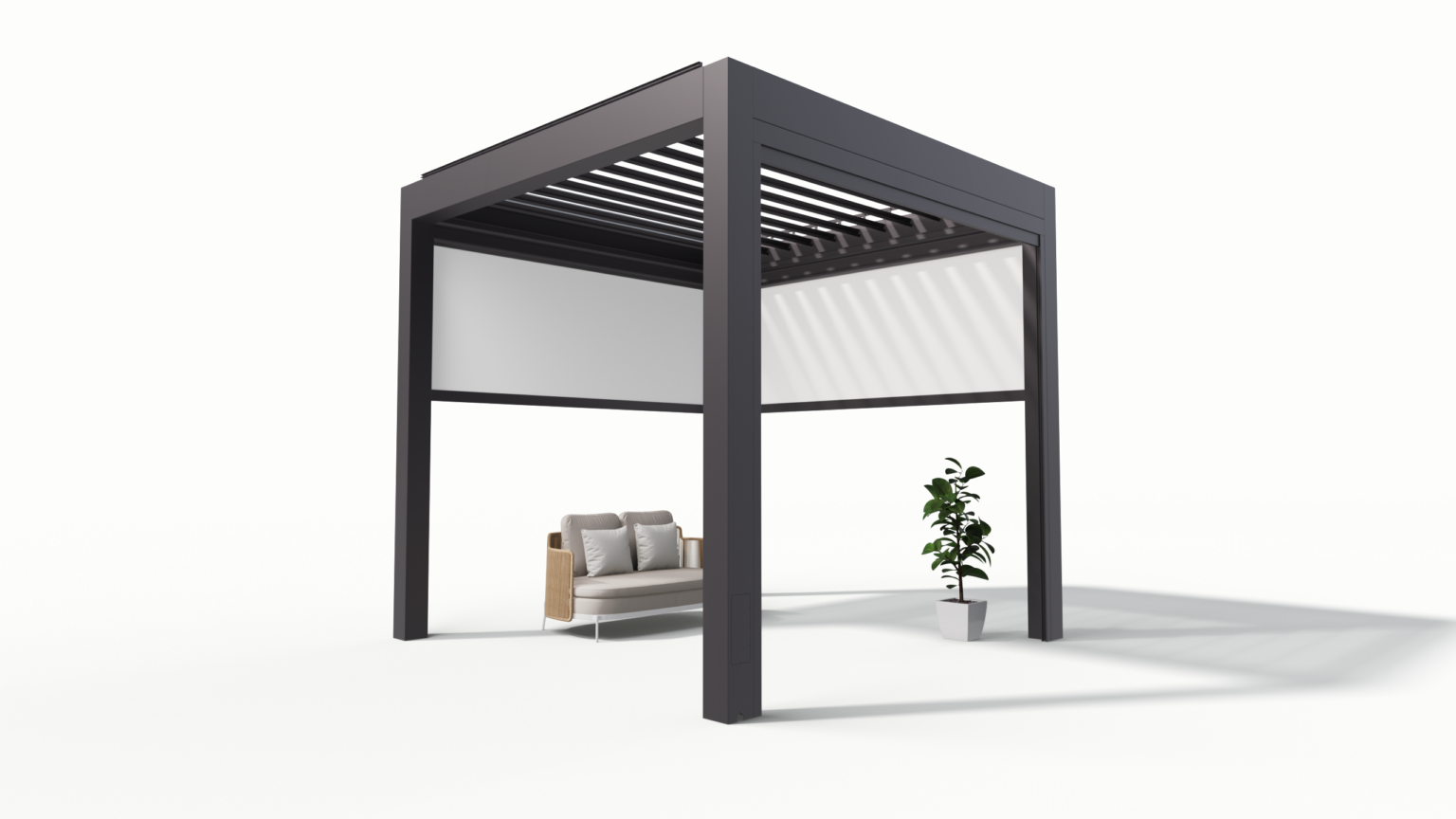
You want a structure that fits how you live outside: a shady lounge, a dining room extension, or a clean, solar-ready installation like a photovoltaic pergola that feeds back into home energy. Name the daily functions first. That single decision narrows materials, warranty needs, and which companies are competent for the job.
Map your priorities — function, form, maintenance
Decide what matters most: year-round weather protection, low upkeep, integrated lighting, or aesthetic detail. Aluminum means low maintenance; timber brings warmth but needs sealing. If you need adjustable shade or rain control, list that explicitly. Clear priorities make bids comparable and stop “feature creep” during quoting.
Budget with realistic checks
Set a target range, then add 10–20% for contingencies and permit costs. Ask each company to break down material, labor, permit, and expected change-order costs. Quotes that lack line-item detail hide risk. Cheaper up-front bids often exclude foundation work, flashing, or necessary bracing.
Vet credentials and portfolio
Look for proof on two fronts: documented installations like photo timelines and verified client references. Confirm business registration and liability insurance; request certificate numbers. A strong portfolio shows consistent build quality across multiple projects, not a single glossy photo.
Experience, standards, and a real-world anchor
Trust is built from repeatable evidence. Ask for examples of projects in climates or contexts similar to yours. Southern California’s outdoor-living market demonstrates how louvered systems perform under intense sun and coastal exposure; architects and installers there often publish case studies you can check. If adjustable slats are central to your brief, review a genuine louver history and installation examples like louvered pergola to judge how companies detail drainage, wind load, and motorized controls. Valid permits, structural calculations, and a warranty that names response times and coverage are non-negotiable.
Technical questions to ask every contender
Request these specifics: what foundation is proposed, what wind and snow loads are the calculations based on, who handles electrical for integrated lighting or motors, and which components are proprietary versus standard. Get lead times for key parts and a change-order policy in writing. If you expect solar integration later, confirm conduit paths and roof load allowances now.
Common mistakes customers make
Ignoring site access constraints. Overlooking drainage and roof flashing details. Choosing contractors based solely on showroom displays without seeing finished work. Skipping written timelines and payment milestones. Accepting vague warranties. Prevent these by asking for job-site photos of finished projects, checking three references, and reserving final payment until punch-list items are closed.
Alternatives and trade-offs
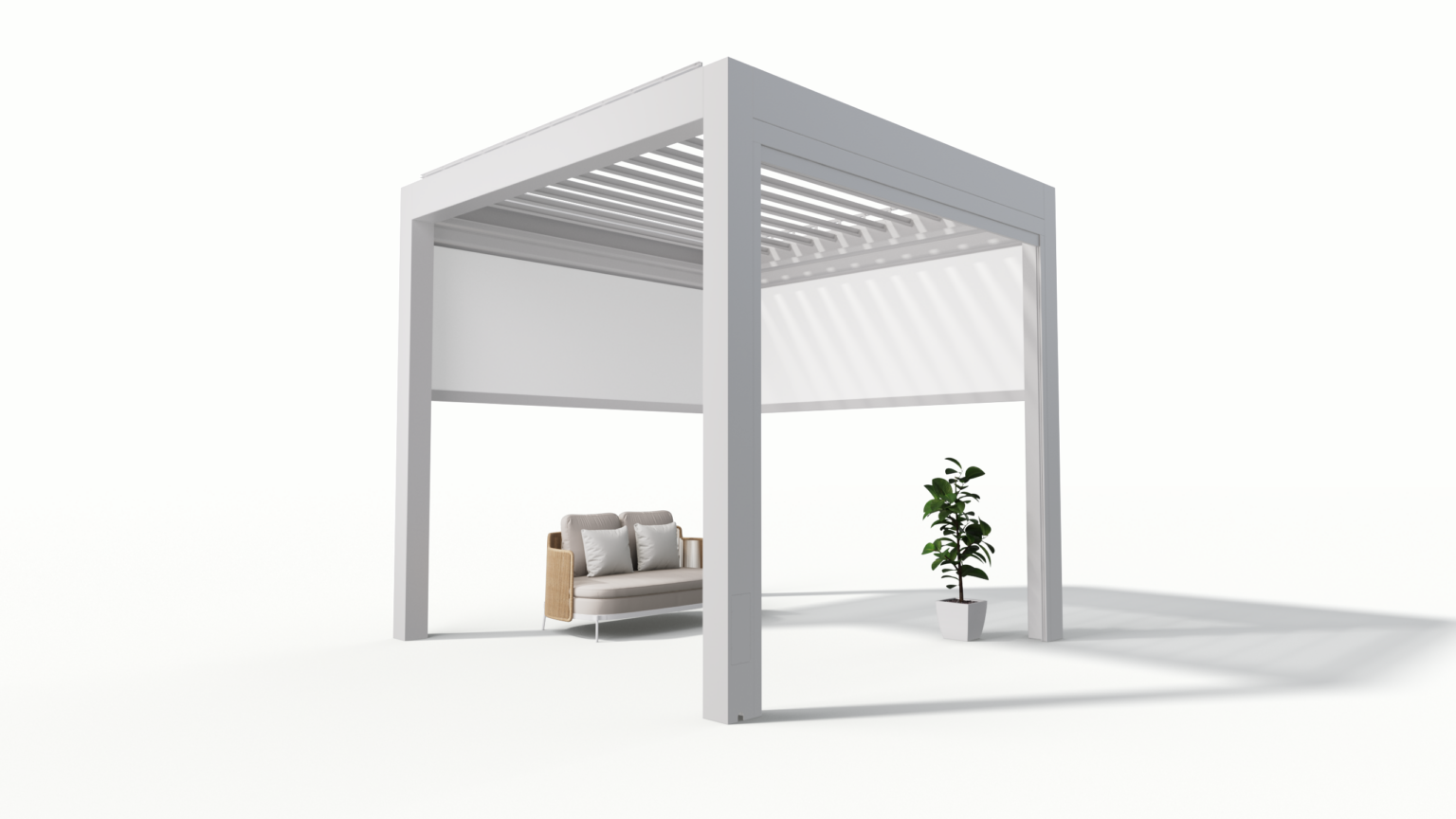
Want simplicity? Prefab kits cut cost and time, but verify local code compliance and assembly quality. Custom builders deliver tailored outcomes but charge for engineering and on-site labor. Convertible fabric covers are less expensive but wear sooner. Motorized louver systems add convenience and cost; weigh that against manual options and maintenance commitments.
Decision checklist before you sign
Confirm these items: written contract with clear scope, schedule with milestones, insurance and permit responsibilities, fixed or capped allowances for change orders, parts and labor warranty durations, and at least one local reference with a finished install more than a year old. Ask the company how they handle site damage and post-install service calls. Clear answers indicate operational discipline.
Final synthesis
Choose a company that matches your use-case, demonstrates verifiable installations in similar conditions, and provides transparent costs and guarantees. Practical experience trumps slick presentations: look for disciplined documentation, structural calculations, and an honest breakdown of maintenance needs. When those pieces align, your pergola becomes an intentional extension of the home rather than an expensive experiment — a result consistent with products and services found through Light Hunter.
