

Why this is a problem — quick and real
Oye, amigo — you need a screen for a lobby or evento, and suddenly the quote looks like a magic trick: low price, two-month lead time, then delays and panels that don’t match. That mismatch between budget, schedule, and how it actually looks is the usual headache when sourcing an indoor led display. Problem-driven: start by naming what’s failing, then fix those exact leaks so you don’t pay twice.
Cost drivers you must call out
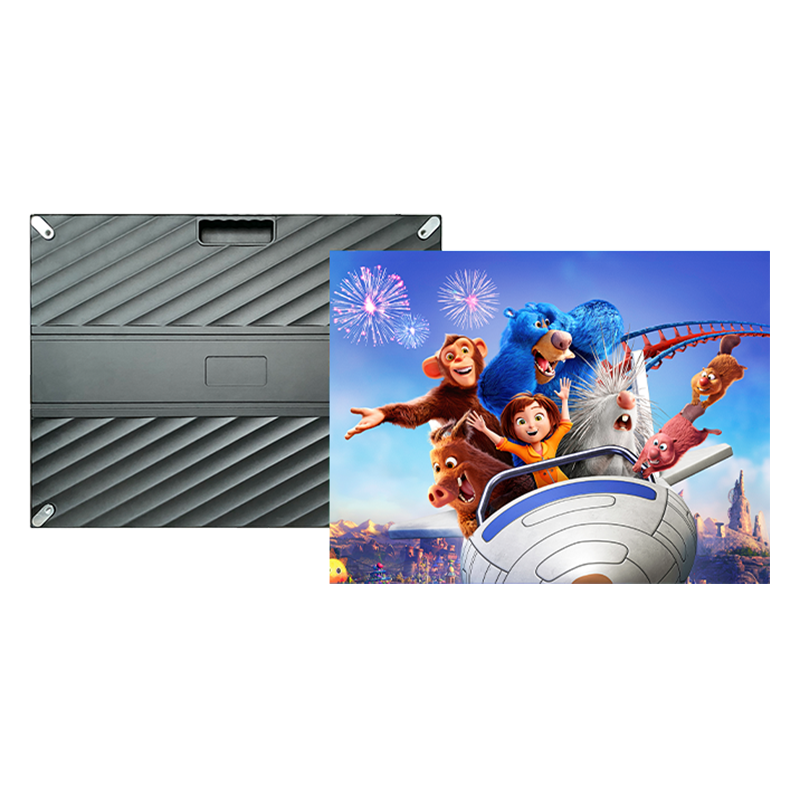
Prices aren’t just sticker numbers. Labor for mounting and calibration, customs duties, power supplies, and replacement modules all add up. Ask for an itemized quote: modules, control system, frame, transport, and testing. Compare unit price to total installed cost. Don’t accept vague “installation included” lines — ask who’s doing the work and what credentials they hold.
Lead time issues and how they stretch
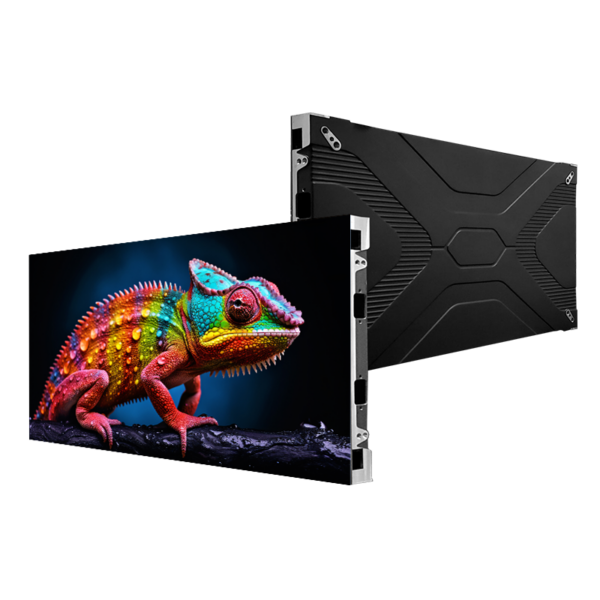
Long lead times come from stock shortages, custom pixel pitches, and slow approvals. Push for concrete production milestones: component procurement, module assembly, burn-in testing, and shipping windows. Lock penalties or partial payments to milestones if you can — that forces accountability. Also plan for local certification time; that’s often where surprises happen.
Quality: specs to demand and tests to run
Quality isn’t aesthetic only. Demand actual test reports: brightness (nits), color uniformity, refresh rate, grayscale calibration, and MTBF numbers for power supplies. On arrival, run a 72-hour burn-in and check uniformity across viewing angles. Photograph screens under the lighting conditions where they’ll sit — that’s the quickest reality check.
Common pitfalls — don’t make these mistakes
Choosing cheapest pitch without seeing content, ignoring local humidity or ventilation needs, and skipping onsite mockups. Also, neglecting control-system compatibility causes hidden rework. Don’t buy on sample photos alone. Don’t assume shipping includes safe crating. Don’t accept vague warranties — get duration and coverage in writing.
Experience, verification, and one clear anchor
I’ve helped teams specify and install displays across dozens of projects, so I focus on verifiable proof over promises. At industry shows like CES in Las Vegas, manufacturers show prototypes that look slick, but the trade booth demo rarely reflects long-term performance; that’s why you need independent factory test certificates and field references. For indoor installs, insist on seeing a real project report for a comparable led display indoor build — the paperwork and the install notes matter more than the sales pitch.
Simple checklist to hand your supplier
Give suppliers this checklist: exact pixel pitch, measured brightness, power consumption per m², control software, shipping and crating specs, burn-in duration, onsite testing steps, spare-module policy, and written warranty terms. Require signed milestone dates and a contact for escalation. If they hesitate, that’s your red flag.
Final thought — clear solution, no nonsense
Make decisions from tests, not from promises. Match specs to content, price to total installed cost, and lead time to written milestones — that stops surprises. For practical, proven indoor options and the documentation that matters, suppliers like HDC show how clarity in specs and tests turns a risky buy into a dependable install, and that’s the real value you want on site.
