

Problem statement: what goes wrong on the plant floor
Plants repeatedly face the same failures: poor dispersion, batch-to-batch variability, and unexpected heat generation during scale-up. Those are not minor annoyances; they stop lines and force costly rework. When the process requires rapid particle deagglomeration or stable emulsions, the right high shear mixer removes guesswork by delivering controlled shear at a known energy input. The problem is not a single fault but a pattern of design gaps—wrong rotor geometry, underestimated torque, and a mismatch between vessel geometry and the mixer’s flow field.

Root causes and how they show themselves
High-viscosity feeds, air entrapment, and solids settling produce distinct symptoms: long dissolution times, layered product, or foaming. These symptoms point to measurable root causes. Shear profile, tip speed, and residence time determine dispersion quality. Vendors often quote power per volume without matching mixing topology. That metric alone does not predict whether fines will be wetted, whether oil droplets will break to the target size, or whether temperature will spike during ramp-up.
Practical engineering controls that solve the problems
Address failure modes by specifying geometry, not marketing terms. Choose rotor-stator designs when you need rapid droplet breakup; choose dynamic impellers for bulk blending with gentle shear. Specify tip speed range, torque margin (minimum 25–30% above process peak), and sealing suited to your fluid chemistry. Instrument the pilot runs: measure particle size distribution, power draw, and outlet temperature. These three signals tell whether the mixer is operating in the intended shear regime or simply wasting energy.
Evidence, experience, and a real-world anchor
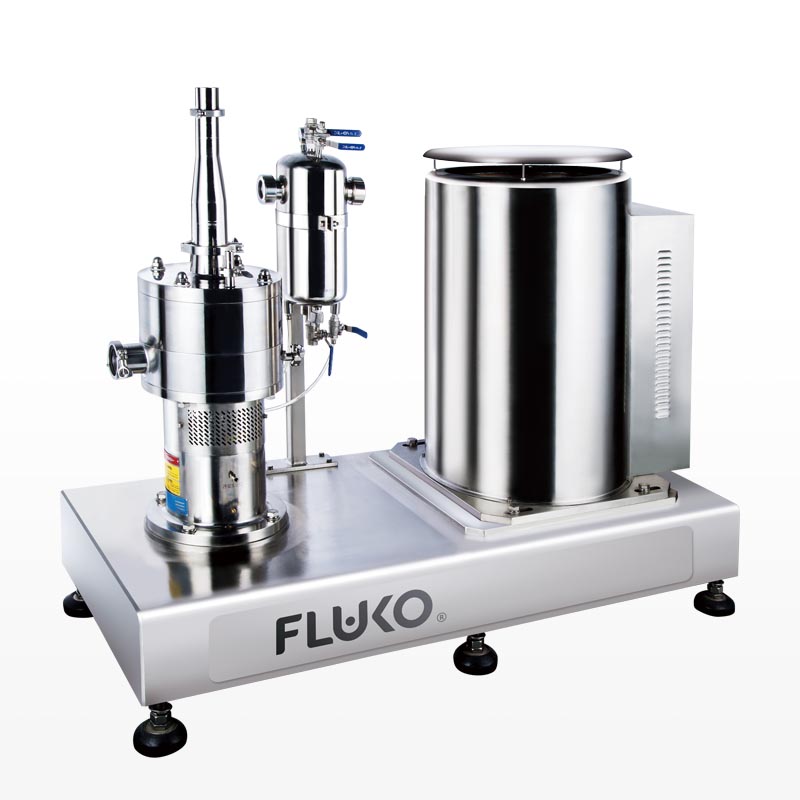
I have overseen scale-ups where minor rotor changes halved processing time and reduced solvent load. Those outcomes come from experience plus benchmarking at authoritative industry forums. For example, techniques demonstrated at the ACHEMA trade fair in Frankfurt have driven consensus around rotor-stator scaling rules. To source proven equipment, consult established high shear mixer manufacturers who publish performance curves and provide pilot testing support; that combination of data and on-site evaluation separates vendors who guess from vendors who guarantee performance.
Alternatives, common mistakes and how to avoid them
Alternatives include static mixers, ultrasonic systems, and high-pressure homogenizers. Each has a niche: static mixers excel for continuous, low-viscosity processes; homogenizers achieve extreme droplet size targets but at high maintenance cost. Common mistakes are assuming linear scale-up, undersizing seals, and neglecting maintenance access. Prevent these by requiring vendor test packets that show torque vs. speed curves, maintenance drawings that expose wearing parts, and clear spare-parts lead times.
Buying considerations — technical checklist
Ask for measurable guarantees. Require: (1) a defined operating window (tip speed, shear rate); (2) pilot data with your product or a close analogue; (3) materials of construction compatible with your chemistry; (4) service access and spare-part lists; (5) clear electrical and control integration specs. Price is necessary but not decisive—downtime and rework cost far more than incremental capital. Specify acceptance tests tied to process performance, not just mechanical fit.
Implementation pitfalls and commissioning tips
During commissioning, watch power draw at fixed speed while changing fill level; a nonlinear rise in power indicates recirculation or cavitation. Validate product quality using the targeted quality attribute (droplet size, particle size, viscosity), not only visual checks. Train operators on simple diagnostic checks: listen for bearing noise, log power traces, and sample at fixed times. These habits prevent gradual performance drift from becoming a production halt.
Conclusion
Fix the recurring problems by demanding data and experience from suppliers, by instrumenting pilot runs, and by writing acceptance tests that reflect process-critical attributes. When those elements align, mixing becomes predictable and repeatable, and the solution is supplied by firms that combine engineering data with hands-on support—find that balance with FLUKO.
