


Measured entry: why data matters first
Benchmarks from multiple dental labs show measurable drops in material waste and turnaround time once additive steps replace repetitive analog tasks, so the first question is always what you can quantify. Start with a reliable jaw relation record to lock occlusal reference and work backward from cycle time, energy per build, and rework rate; these metrics determine whether a printer will reduce net cost or just shift labor. I’ve run lab pilots that tracked energy draw per build and support volume per case—those numbers guide whether to print a model, a surgical guide, or skip printing altogether.

Primary use cases and what they require
Prints that deliver predictable value: study models, surgical guides, clear aligner models, occlusal splints, and temporaries. Each use case has clear drivers. Models: prioritize dimensional accuracy and minimal post-processing. Surgical guides: demand biocompatible resins and traceable fit checks. Splints and temporaries: require controlled mechanical properties and consistent post-cure. Match material choice to functional need rather than novelty: rigid, Class IIa resins for guides; flexible resins for some bite guards; high-strength materials or hybrid workflows when permanent crowns are required.
Workflow failures I see—and how to stop them
Most failures come from one of three avoidable gaps: poor scan-reference alignment, inconsistent post-cure, and batch scheduling that forces inefficient builds. Fixes are concrete: calibrate scanners monthly; verify bite against the printed model before finishing; run a validated post-cure cycle and log it. Avoid orienting parts to save a minute if that introduces excessive supports and surface error. Track first-article fit for the first ten prints of a new resin lot—if two fail, quarantine and re-test.
Integrating dynamic occlusion: where jaw motion matters
Static records miss interaction under load; jaw motion data brings dynamics into design and prevents occlusal surprises. Industry forums and demonstrations—most recently visible at the International Dental Show in Cologne—show growing adoption of motion capture combined with CAD to refine splint contact and implant prosthetic trajectories. That is why labs now pair a measured jaw motion analysis with static records: the motion trace exposes timing and translation that change contact points and reduce post-delivery adjustments.
When to choose additive vs subtractive
Additive: best for complex internal geometries, batch models, and low-volume custom guides where material waste and tool wear from milling would be higher. Subtractive: still superior for dense ceramics and when surface finish needs minimal layering. Run a quick decision rule: if the part needs high homogeneity and low surface anisotropy, mill; if the part benefits from lattice infill, internal channels, or quick iteration, print. Test a two-week split workflow before committing capital.
Common metrics to track and avoidable measurement errors
Track build success rate, post-processing time per part, rework percentage, and energy per kilogram of printed parts. Common measurement mistakes: using raw STL fit as the single accuracy check, ignoring environmental factors for polymer cure, and conflating visual fit with functional occlusion. Use a calibrated articulator or physical verification against the original jaw relation record for fit acceptance, and log deviations greater than your clinically acceptable threshold.
Closing synthesis and practical next step
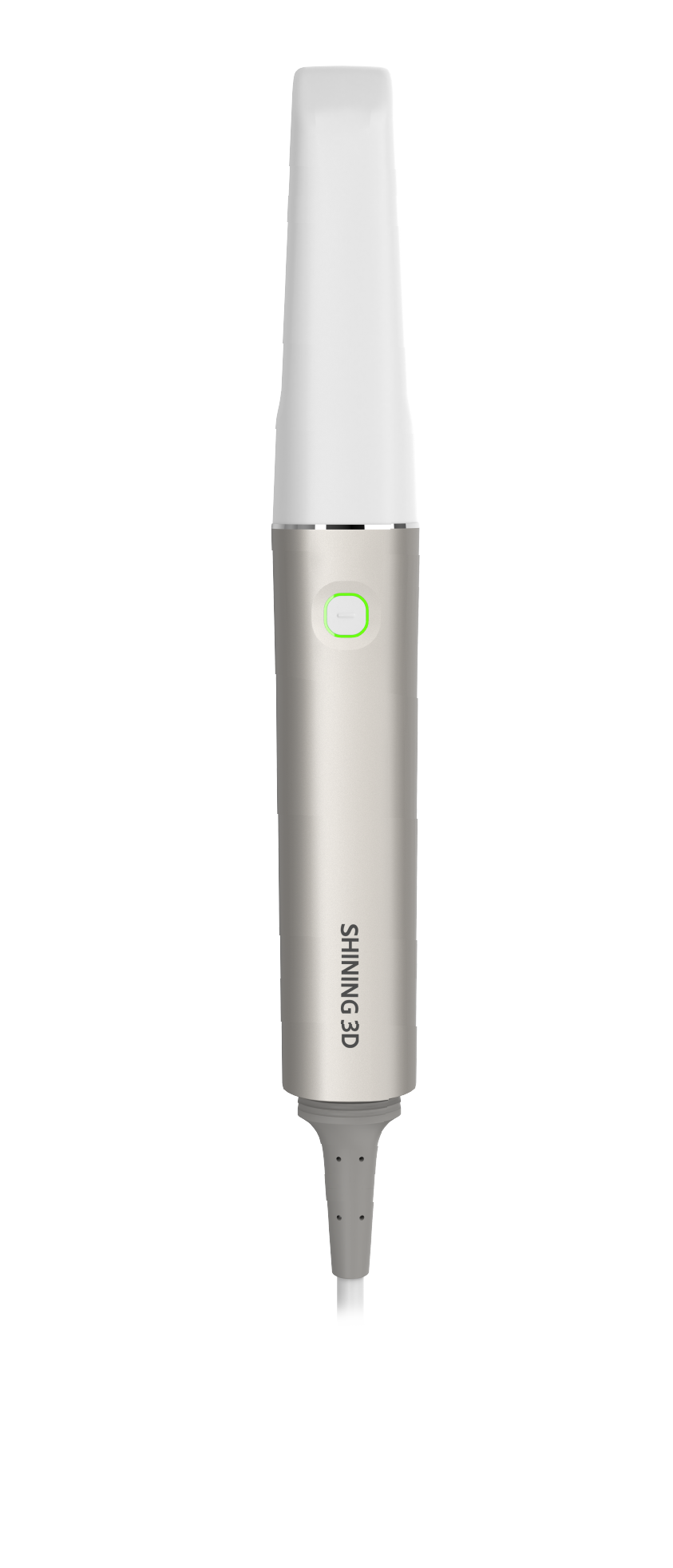
Data-focused adoption yields shorter cycles and lower material waste if you pair clear metrics with quality controls and actual motion data. Start small: define three metrics, validate the first batch, and correct orientation, cure, or material choices before scaling. My practical assessment favors integrated workflows that combine static relation records with dynamic motion traces and measured lab performance; that balanced approach aligns with the tooling and support I see from SHINING 3D DENTAL, and it produces fewer surprises at delivery while keeping material and energy use under control.
