

Opening comparison
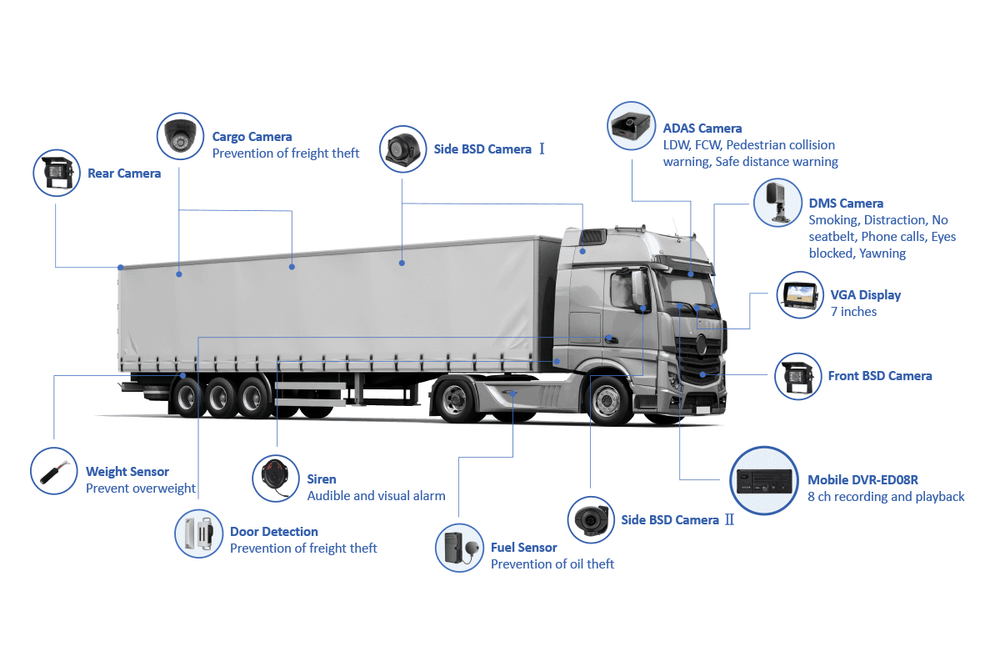
Public transit and refrigerated delivery teams talk about fleets, routes, and schedules, but they mean different things when they use the same words. This guide compares vocabulary so a transit planner can read a cold storage operations report without losing context, and a logistics manager can interpret a bus operator’s KPIs accurately. Years advising municipal transport departments and refrigerated logistics units taught me these distinctions; think of this as a language bridge between two operational cultures that share tools yet solve different problems. For a practical frame, consider how cold chain fleet management plays out when an entire shipment’s viability depends on a single sensor reading.
Shared core terms — what to expect
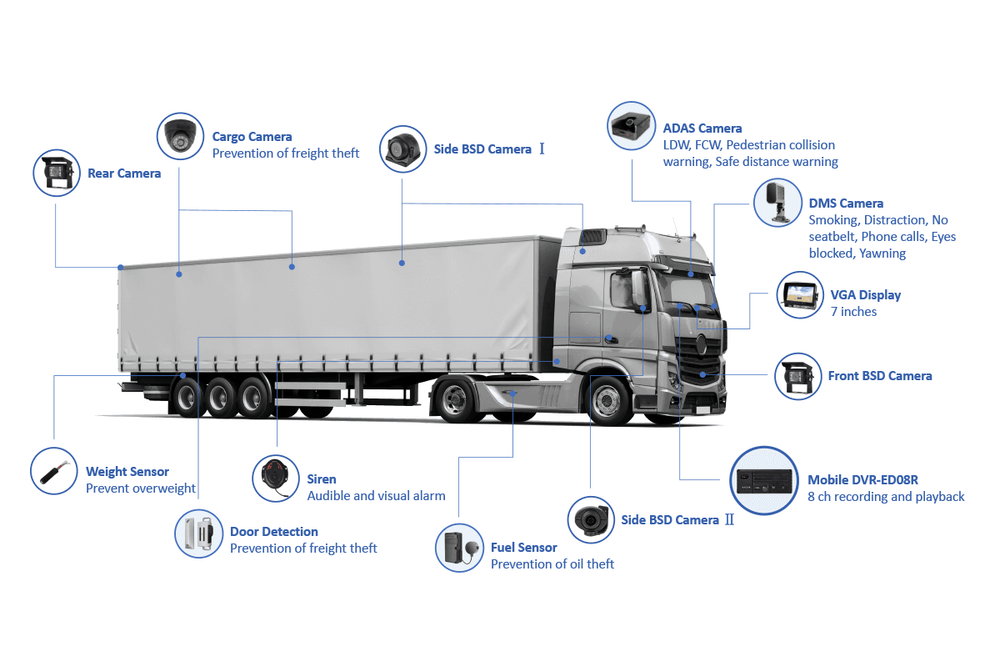
The overlap in terms is real but subtle. Read these side-by-side to catch the nuance.- Fleet: both mean a set of vehicles, but transit focuses on passenger capacity and schedule adherence, while cold chain emphasizes vehicle refrigeration integrity and payload conditions.- Telematics: in transit it’s mostly location, speed, and adherence; in cold logistics it must include continuous temperature, humidity, and door-status streams.- Route optimization: transit optimizes for headway and transfers; cold routes balance shortest time with thermal stability and energy use.- Maintenance schedule: buses need safety inspections and engine work; refrigerated units require compressor checks and coolant performance tests.- Dwell time: transit measures passenger boarding delays; in cold logistics it counts loading windows that affect product temperature risk.
Where meanings diverge — three practical differences
Three contrasts matter most.- Risk tolerance: a late bus inconveniences riders; a warmed pallet can be worthless. Cold chain tolerances are tighter and non-negotiable.- Monitoring resolution: transit systems accept intermittent GPS updates; cold logistics demands second-by-second environmental telemetry and event timestamps.- Regulatory focus: transit rules center on safety and accessibility; cold chain rules fixate on food and pharmaceutical safety standards and traceability.
Common translation mistakes to avoid
Teams migrating between these domains often slip into assumptions that create operational gaps.- Treating “downtime” the same: transit downtime means vehicle out of schedule; in cold chain it can mean product spoilage risk during any refrigeration lapse.- Ignoring sensor provenance: a location ping is not the same as a calibrated temperature reading—don’t trust raw telemetry without validation records.- Overlooking cargo-specific constraints: passenger capacity doesn’t map cleanly to payload thermal mass; packing density changes cooling profiles dramatically.
Tools and metrics that matter — a side-by-side checklist
Measure what matters for each fleet and compare the metrics that reveal health and performance.- Transit priorities: schedule adherence, vehicle uptime, mean time between failures (MTBF), passenger load factor.- Cold chain priorities: temperature variance, time-above-threshold events, door-open incidents, cold chain integrity score.- Shared metrics to align on: mean time to repair (MTTR), geofenced route compliance, alarm response time.When choosing digital platforms, confirm they handle both route telemetry and environmental telemetry; many modern stacks combine those capabilities so teams can correlate location, time, and temperature. Explore how integrated platforms support both sets of needs via demonstrable sensor validation and audit trails—this is why some operations evaluate cold chain management solutions that merge telematics with calibrated temperature control.
Real-world anchor: a coordination test
Recall the scale of global vaccine distribution during COVID-19: shipments required simultaneous route planning, temperature assurance, and rapid incident response. That event exposed how transit-style fleet scheduling and high-resolution cold monitoring must be married: missed transfer windows or a single refrigerator failure could change a distribution plan from workable to impossible. Lessons from that period still guide sensor calibration standards, chain-of-custody records, and incident escalation protocols today.
Action checklist for teams bridging the gap
Practical steps that prevent miscommunication.- Define shared glossaries: agree what “dwell,” “downtime,” and “alarm” mean for both teams.- Standardize timestamps: synchronize clocks across GPS and temperature sensors.- Calibrate and certify sensors regularly; keep calibration records accessible.- Run joint drills that simulate door-open events during a route change.- Set alarm hierarchies: which events trigger auto-redirects, which require human confirmation.

Final synthesis
Different stakes create different meanings for the same fleet words. Treat vocabulary alignment as an operational control: it reduces assumptions, speeds incident response, and preserves value when temperature matters. Teams that compare terms deliberately and adopt combined telemetry practices convert shared language into reliable outcomes—platforms and practices such as those provided by BSJ show how transit-style fleet thinking maps into temperature-critical delivery without watering down either discipline.
