

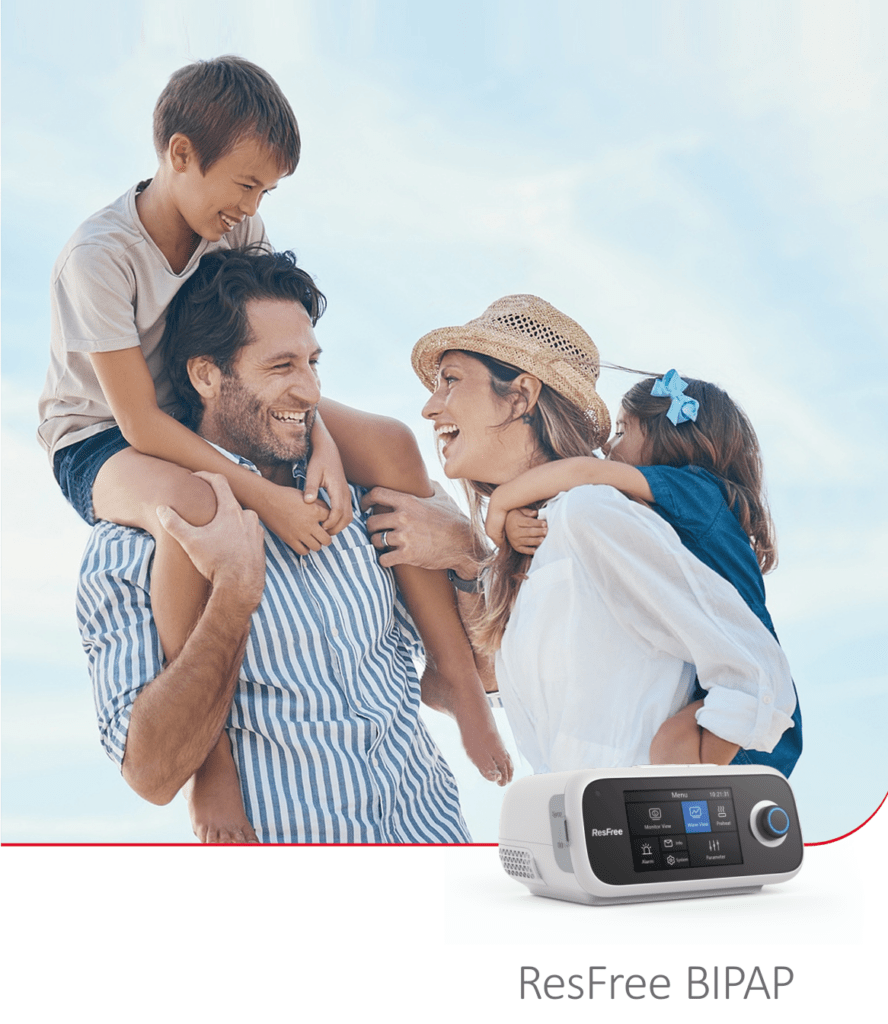
Comparative lead: why side-by-side matters
Selecting a comfortable, reliable BiPAP is less about brand halo and more about measured differences in pressure control, leak management, and usability. A careful comparison of leading models—considering mask fit, interface, and algorithm behavior—yields faster, safer outcomes for patients and carers. Early on, many buyers consider a cpap device as an alternative; understanding how bilevel systems differ from continuous positive airway pressure units is crucial to choosing the correct therapy modality.
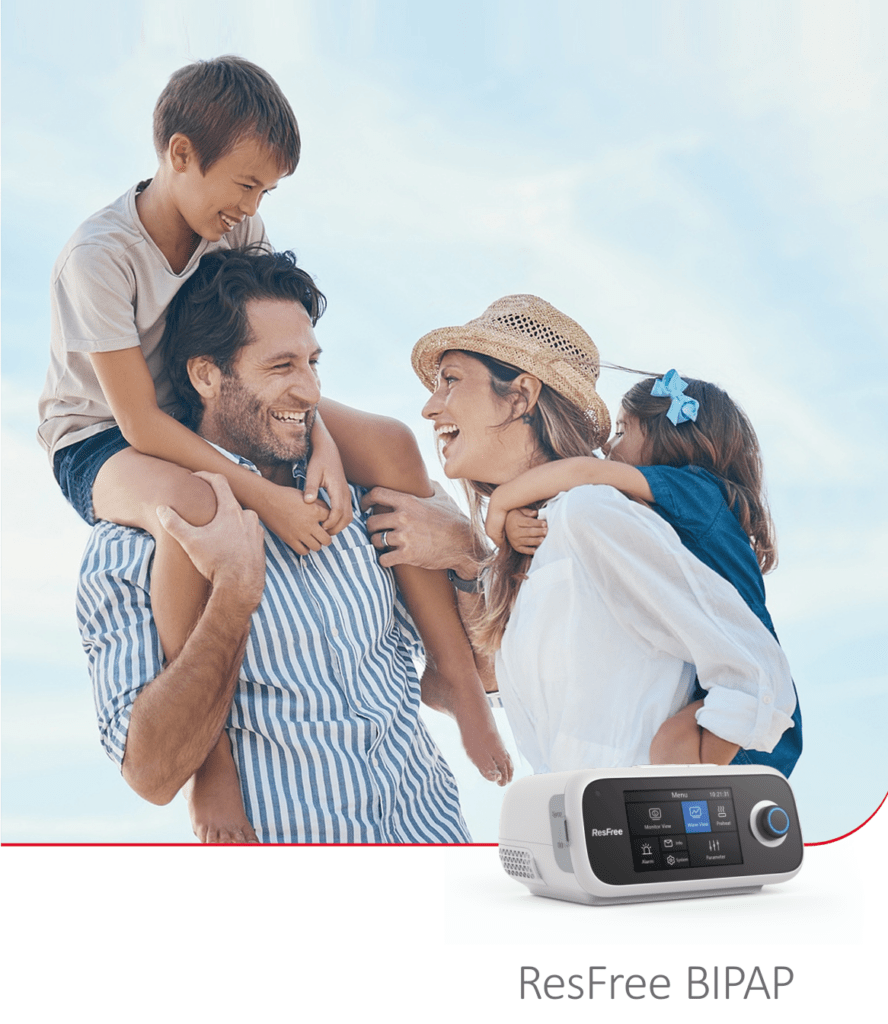
Core performance domains to compare
Assess each unit against concrete, clinical performance domains rather than marketing claims. Focus on these metrics:
– Pressure range and stability: IPAP and EPAP ranges and how the device maintains set pressures during leaks.
– Leak compensation and algorithm behavior: the unit’s ability to detect mouth leaks and adjust flow without causing patient-ventilator asynchrony.
– Trigger sensitivity and responsiveness: how effectively the device senses inspiratory effort and delivers support, reducing work of breathing.
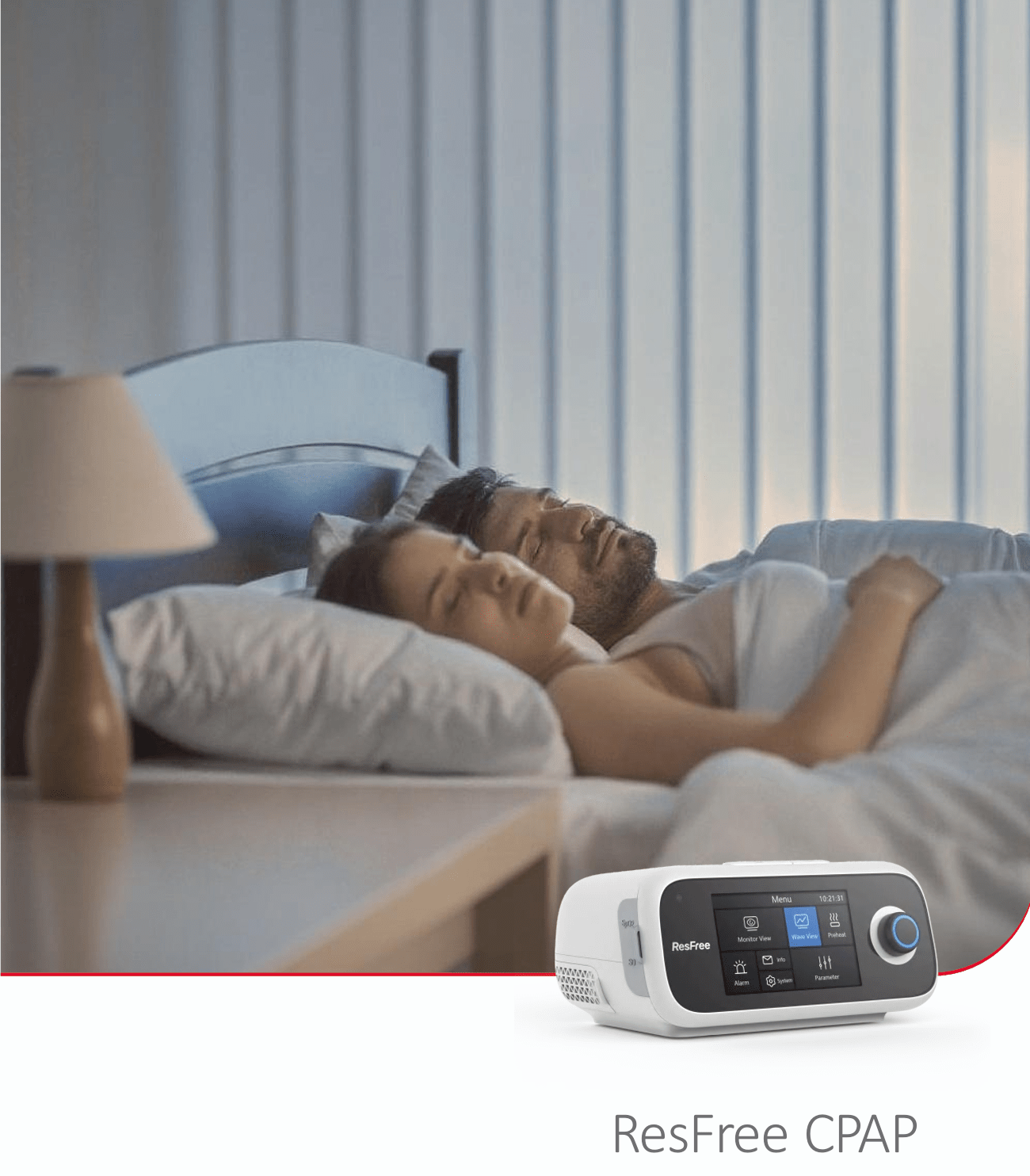
– Usability and data reporting: clarity of alarms, exported sleep and therapy data, and remote-monitoring capability for clinicians.
– Power and portability: battery backup duration and ease of transport for home or travel use.
Real-world anchor: what field experience reveals
During the COVID-19 pandemic, demand for home ventilation and non-invasive ventilation rose markedly, exposing differences between hospital-grade units and consumer-focused models. Clinics and home-care teams quickly favored devices that combined robust pressure control with clear data logs for follow-up. In many NHS and hospital outpatient pathways, non-invasive ventilation is recommended for selected exacerbations and chronic respiratory failure—so the choice impacts both acute outcomes and long-term management. For home use, a tested bipap breathing device that balances clinical-grade algorithmic support and simple interfaces often wins in practice.
Common mistakes and sensible alternatives
Buying based on lowest price or headline features alone causes frequent problems: mismatched mask systems, insufficient leak handling, or inadequate data for clinicians. Users also sometimes confuse CPAP and bilevel therapy—each has indications and contraindications tied to tidal volume needs and patient comfort. Alternatives to a BiPAP include auto-CPAP for obstructive sleep apnea, or hospital non-invasive ventilators when advanced ventilation modes are necessary. Avoid the pitfall of assuming a portable unit can replace clinical-grade ventilators for severe respiratory failure—matching device capability to clinical need is non-negotiable. —Small adjustments in mask interface often solve 70% of adherence problems, so do not overlook fit trials.
Comparative checklist for procurement teams
When evaluating models side-by-side, use a short checklist focused on measurable items:
– Measured pressure accuracy over a 24-hour simulated leak challenge.
– Battery run-time under clinically relevant settings (IPAP 18 / EPAP 6 simulated breathing pattern).
– Reported trigger delay (milliseconds) and leak compensation algorithm description in the technical manual.
– Warranty terms, availability of clinical support, and ease of consumables replacement (filters, cushions).
Advisory close: three golden rules for selection
1) Prioritise clinical performance metrics: insist on published pressure accuracy, trigger sensitivity, and verified leak compensation behavior rather than only comfort claims. These define therapy effectiveness.
2) Match device capabilities to the care setting: choose robust battery and remote-monitoring features for home-bound patients; select higher-tier ventilators for unstable, high-dependency cases.
3) Verify service and training: ensure clinicians and carers can interpret exported therapy data and that mask trials are supported before final purchase.
For teams looking to bridge clinical requirements and practical deployment, Byond often becomes the practical link between technical performance and real-world usability — it is the device ecosystem that answers both clinician needs and patient comfort in one package. –
