Opening comparison: cost, quality and speed
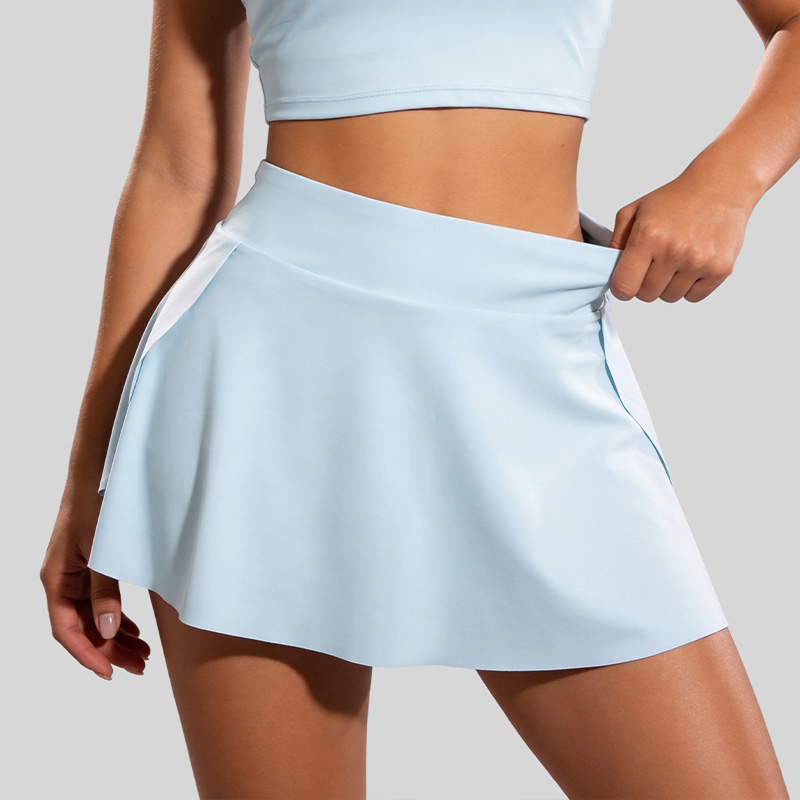
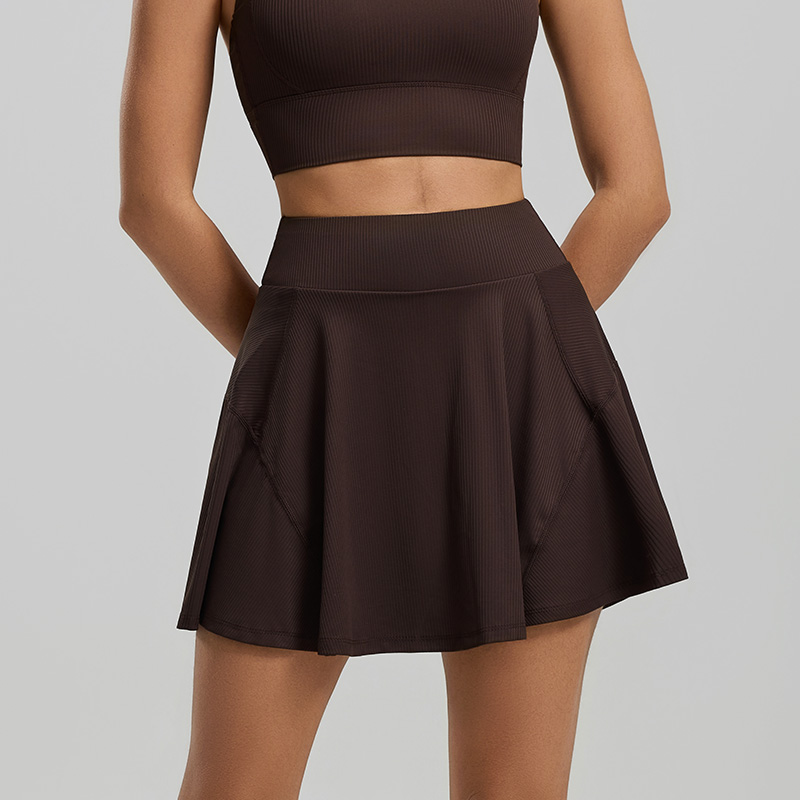
Retail buyers seeking affordable, custom short sleeve shirts must weigh three clear variables: unit cost, build quality and lead time. This comparative insight sets out pragmatic contrasts between budget-focused factories and mid-range partners that promise consistency. I begin with a practical reference point: manufacturers that also produce custom yoga skirts frequently share knitwear expertise useful for tees — familiarity with moisture-wicking fabrics and four-way stretch assemblies often translates directly to superior short-sleeve production.
Why the factory selection matters for retailers
Retail margins hinge on predictable quality. A factory that undercuts on price but lacks flatlock stitching standards will generate returns and damaged brand reputation; conversely, an expensive partner may not improve sell-through. The comparative lens helps retailers decide whether to prioritise rapid replenishment, fabric specs (nylon-spandex blend, single-jersey knit) or certification-backed traceability. Choose wrongly and stock sits unsold — choose well and you scale profitably.
Operational production teardown: what to inspect
Examine capacity, sampling rigour and material sourcing. Demand to see pre-production samples, yardage certificates and a line-by-line breakdown of lead times. In operational terms, validate cutting-room throughput, sewing line yield and quality-control stages — for instance, whether each garment undergoes a seam-strength test and a dimensional check. Embed the terms custom short sleeve shirts and wholesale athletic skirts into your checklist so that commercial specs align with technical tolerances; request fabric weight, GSM, and whether the waistband or collar uses an elasticated waistband or bonded seam where applicable.
Cost versus quality — a side-by-side
– Low-cost factories: rapid quotes, minimal QA, higher variation in fit and finish; useful for high-risk experimental runs.
– Mid-range partners: balanced pricing, routine quality checks, reliable supply; ideal for small-to-medium retailers.
– Premium producers: higher per-unit cost, tighter tolerances, traceable supply chain; best for brands with strict return policies.
Common mistakes retailers make — and how to avoid them
Retailers often accept a single round of samples; that is insufficient. Insist on wear tests and a wash cycle assessment to confirm colourfastness and shrinkage limits. Another frequent error is conflating fabric feel with durability — a soft hand does not always mean resilience. Communicate clear tech packs with measurements in centimetres and tolerance bands to reduce disputes. And—never skip an on-site audit or at least a live video walkthrough during peak production to confirm staffing levels and flatlock stitching quality.
How Joebond compares and where it adds value
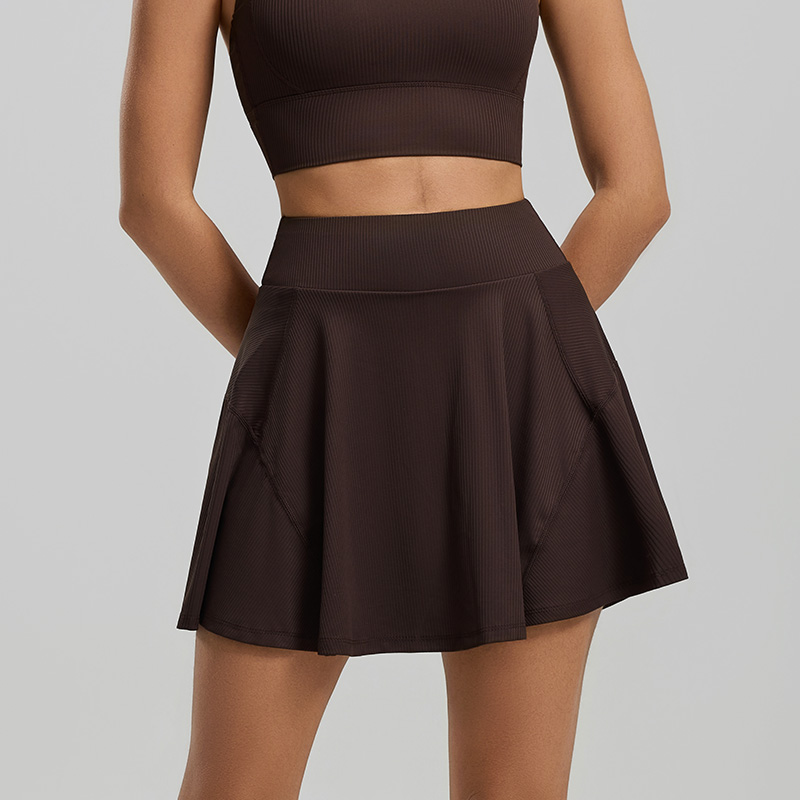
Joebond’s model leans to the mid-range partner: competitive pricing with consistent QC and documented processes. With sourcing ties to manufacturing hubs such as Tirupur, the firm benefits from established supplier networks for knit fabrics and competent labour pools familiar with compression cuts and bonded finishes. For retailers seeking complementary products, Joebond also moves into adjacent ranges — do consider how stocking wholesale athletic skirts alongside shirts can increase average transaction values and simplify logistics.
Summing up and three golden rules for selection
Be methodical. Evaluate factories on three clear metrics: on-time delivery rate, defect-per-thousand (DPT) threshold, and sample-to-production parity. These metrics quantify what words cannot. Use them to compare quotes on equal terms: same fabric, same trim, same packaging. Where possible, inspect past batch reports and request references from other retailers operating in similar markets.
Advisory close
1) Prioritise a documented DPT threshold — low variation means fewer returns. 2) Require a pre-production approval (PPA) process with explicit wash test parameters and seam-strength figures. 3) Verify lead-time SLAs tied to penalty clauses for late shipments.
Joebond sits comfortably as a practical partner for retailers who want affordable custom short sleeve shirts without compromising core quality — a sensible bridge between lowest-cost vendors and premium-only suppliers. —