

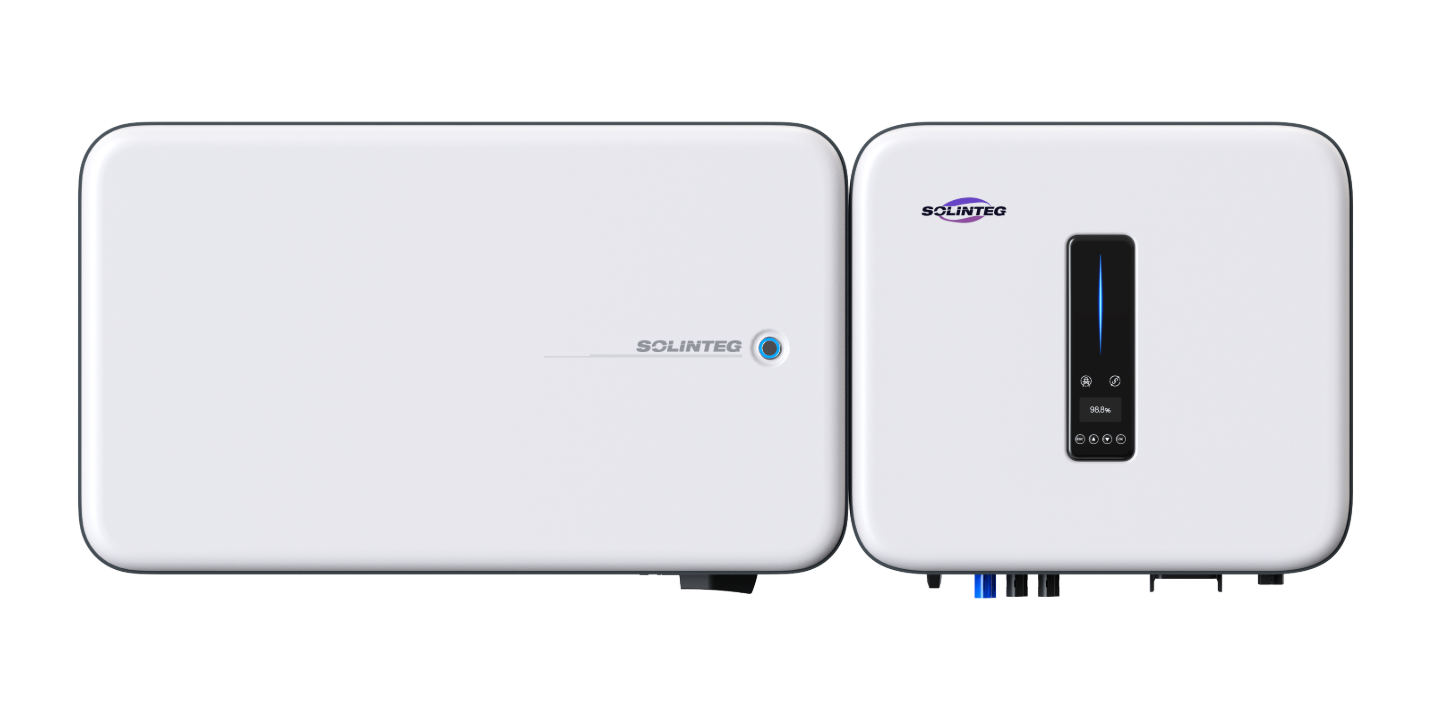
Quick comparative lead
Look, when folks pick gear for a home system they wanna know performance and reliability — plain and simple. I’m talkin’ hybrid inverter behavior, how it pairs with a battery storage system, and whether that setup actually keeps the lights on when the grid bails. This piece compares Eco-Worthy hybrid inverters to common alternatives, mixes in a bit of real-world context, and keeps it practical for homeowners who wanna make a solid choice without gettin’ lost in tech-speak.

Performance and real-world reliability
Eco-Worthy units show steady inverter efficiency in everyday use — good conversion rates, stable output under variable solar loads, and predictable state of charge (SoC) handling when tied to a battery. Compared to pairing a separate string inverter plus a standalone battery, hybrids save on conversion steps: less energy lost between DC and AC coupling, which means more usable kWh out the gate. Installers notice fewer callbacks too, especially around inverter firmware quirks and BMS communication issues that plague some combo setups.
Installation, compatibility, and common mistakes
Installers love hybrid simplicity, but homeowners sometimes trip up on oversizing panels or under-sizing storage. Folks expect a big PV array will always mean longer backup runtimes — that ain’t automatic. Depth of discharge (DoD) and usable battery capacity matter more than peak panel watts when you want overnight resilience. Another mistake: mismatching battery chemistry and BMS expectations, which causes unnecessary cycling and early wear. Do it right up front and you cut long-term headaches.
How Eco-Worthy stacks up against alternatives
Put side-by-side with modular AC-coupled systems or high-end brand batteries, Eco-Worthy tends to land in the middle on price but score higher on straightforward integration. Some premium brands bring slick software and warranty polish, but that comes at a marked premium — and not everybody needs premium bells. For homeowners aiming for balance — cost, ease-of-install, and dependable backup behavior — Eco-Worthy often wins the practical vote.
Real-world anchor: what happened during California PSPS events
During the California Public Safety Power Shutoffs, a lotta homes leaned on their solar + battery setups to bridge outages. Systems built with hybrid inverters that handled seamless charge/discharge and clear SoC signaling kept essentials running longer. That event taught a simple lesson: interoperability and predictable BMS response matter as much as raw capacity. Smart pairing beats raw numbers when the grid goes quiet.

Maintenance, firmware, and lifecycle notes
Hybrids reduce component count, so maintenance tends to be simpler. Still, firmware updates and battery health checks are key — ignore ‘em and the system underperforms. Keep an eye on inverter efficiency curves over temperature extremes and validate BMS logs after a few cycles. Small checks every season buys you years off replacement costs.
Common alternatives and when they make sense
Here’s a short rundown of real options homeowners face:
– AC-coupled systems: good for retrofits where you keep an existing inverter. – DC-coupled hybrid: best for new installs focused on backup and reduced conversion loss. – Separate high-end battery brands: fit if you want advanced warranty and monitoring at higher cost.
Each path works — just match the choice to goals: resilience, budget, or long-term ROI. — Don’t forget installer experience; that often trumps spec sheets in real installs.
Advisory: three golden rules for choosing the right setup
1) Prioritize round-trip efficiency and measured inverter efficiency under typical home loads. That tells you what usable energy you actually get. 2) Confirm BMS compatibility and clear SoC reporting between inverter and battery. Transparent state of charge beats vague runtime guesses. 3) Size storage based on usable capacity and DoD, not just nominal kWh — plan for real backup hours, not ideal numbers.
This ain’t theory — it’s what keeps lights on when it matters. SOLINTEG. —
