

Quiet premise, clear numbers
I sit with the simple fact that not all charging is equal, and that fact bends emissions in subtle, measurable ways. The U.S. Environmental Protection Agency has identified the transportation sector as the single largest source of greenhouse gas emissions since 2017, which makes choices about charging as consequential as vehicle selection. Start at home with an EV Level 2 charger and you already alter the operational profile of your vehicle—efficiency, grid timing, and power draw all shift, quietly. This piece looks at the data and practical trade-offs between AC charging and DC fast charging, aiming for clear guidance rooted in real-world anchors and measurable variables.

What the data reveal about operational emissions
Operational emissions track two things: the carbon intensity of the electricity being consumed, and the losses between the grid and the battery. AC charging—typically Level 1 or Level 2—uses the vehicle’s onboard charger to convert AC to DC at modest kW rates, keeping conversion losses low and allowing scheduling around lower-carbon hours. DC fast charging skips the onboard charger and feeds DC at high kW directly into the battery, shortening session time but increasing thermal and conversion losses per kWh used. Grid mix matters. Regions with cleaner grids (for example, parts of California and much of northern Europe) will show a bigger emissions gain from charging at any time, while coal-heavy grids reduce the marginal benefit.

Comparing AC (Level 2) and DC fast charging, practically
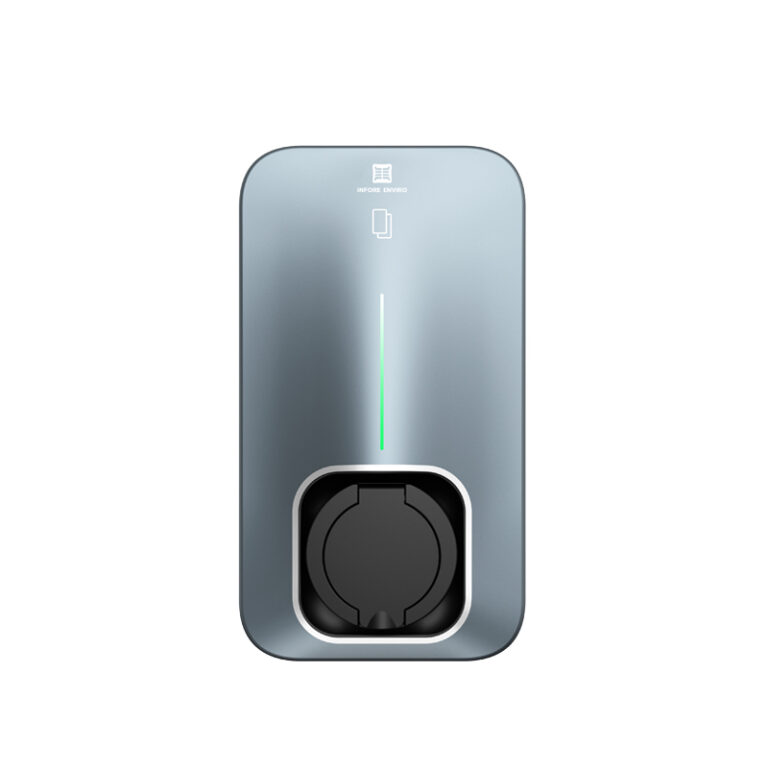
Think of AC Level 2 as steady and efficient, DC fast charging as intense and costly in terms of system stress. A Level 2 session often runs between 3–11 kW; it aligns well with overnight charging strategies and smart scheduling. DC fast charging hits tens or hundreds of kW; it’s indispensable for long trips, but repeated use raises battery thermal management demands and can yield slightly higher operational losses. For many daily drivers, the best operational-emission outcome is a smart, lower-power charge—so selecting the best EV Level 2 charger for home or workplace can be the single most effective step. It’s not romantic — it’s arithmetic.
Actions that reduce real-world emissions
Three practical shifts cut operational emissions with clear mechanics: schedule charging around low-carbon hours; prefer Level 2 for routine top-ups; and avoid unnecessary DC fast charging when time permits. Use smart-charge timers to sync to the grid’s cleaner periods. When choosing a charger, check its power rating, efficiency, and load management features—these are more important than a flashy interface. Common mistakes include assuming faster charging is always cleaner and ignoring standby losses in poorly installed charge points—both quietly add to operational emissions. —A small oversight can undermine months of low-carbon driving.
Operational tech notes and deployment considerations
Industry terms to keep in mind: AC charging, DC fast charging, onboard charger capacity, and charge point load balancing. For fleets, charge scheduling and depot power upgrades directly change per-mile emissions. For homeowners, the right Level 2 wallbox reduces conversion waste and enables off-peak charging. In cities with grid constraints, managed charging programs can flatten peaks and reduce the need for carbon-heavy peaker plants.
Three golden rules for choosing charging strategies
1) Evaluate emissions per kWh, not just charging speed: prioritize charging when grid carbon intensity is low. 2) Match charger power to use case: install a Level 2 unit for daily driving and reserve DC fast charging for long-distance needs. 3) Look for efficiency and smart scheduling in the hardware: loss-minimizing design and load management pay back in reduced operational emissions.
These rules are simple, measurable, and actionable. They also lead naturally to practical partnerships and deployments that a company like INFORE ENVIRO can design into site plans and fleet programs—because the right charger, timed correctly, produces real emissions reductions. —A final thought: steady charging, informed by data, changes the map more than charging faster ever will.
