

Why comparison matters for retailers
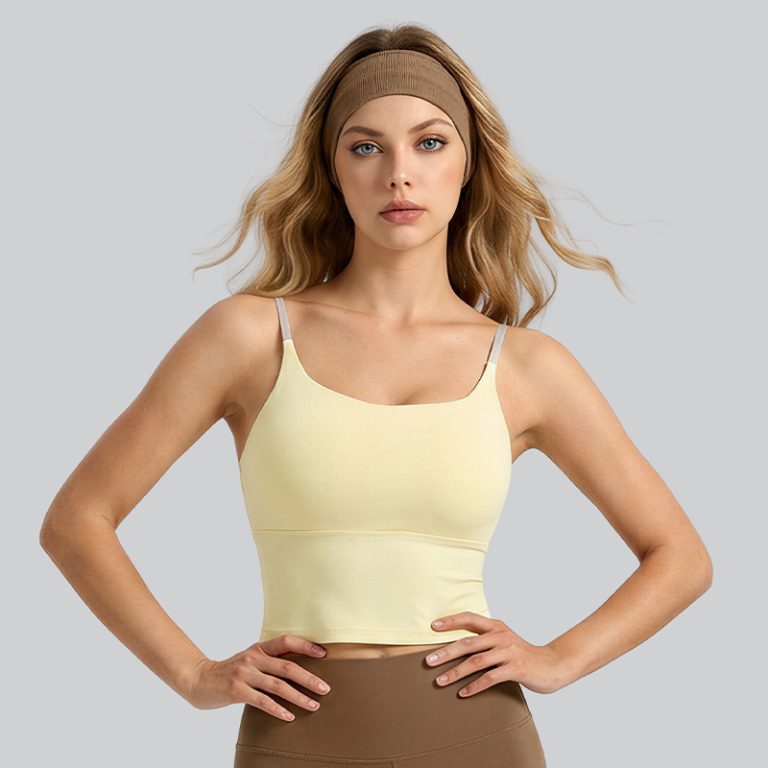
Retailers deciding between off-the-shelf activewear and a private-label line need clear, actionable contrasts. Comparing factories on cost, quality, and speed reveals which partners let you keep margin without sacrificing brand. Offerings like custom sports bras are the perfect test case: they expose differences in fabrication choices, design flexibility, and order economics quickly. Since the COVID-19 pandemic shifted consumer demand toward comfortable, performance-focused pieces, sports bras and athleisure became central inventory items for many independents.
Head-to-head: price, quality, and control
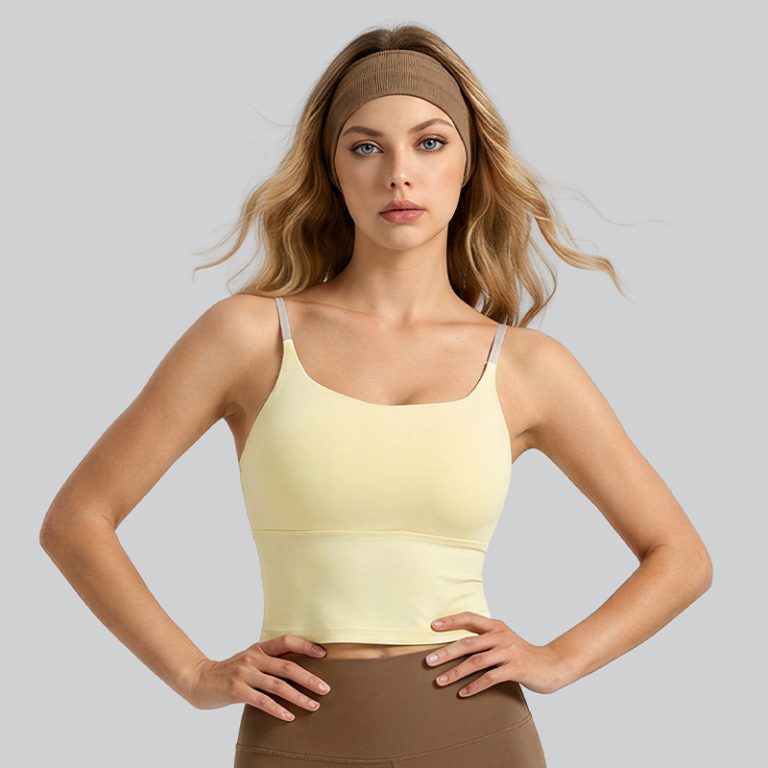
Price alone misleads. A low per-unit quote may hide high MOQs, long lead times, or extra fees for patterning and sampling. Conversely, a slightly higher unit cost can be a bargain when it includes prototyping, a tech pack review, and reliable QC. Look for factories offering sensible MOQs and transparent cost breakdowns. Key production terms to watch: MOQ, tech pack, and cut-and-sew capabilities. Those tell you whether a factory can handle small runs, precise specs, and robust construction—especially important for compression and moisture-wicking garments.
Supply chain realities and delivery rhythm
Manufacturing location affects shipping, customs, and speed to shelf. Offshore factories often deliver lower unit costs but longer lead times and trickier logistics; nearshore factories give faster turnarounds and simpler freight. A reliable partner will share lead-time benchmarks for sampling, production, and packing. Expect sample cycles measured in weeks, production cycles in multi-week windows, and additional time for QC and consolidation. Plan inventory around those realities rather than wishful thinking.
Production teardown: how custom sports bras are actually made
Start with a clear tech pack: detailed specs, graded sizes, trim references, and stitch types (flatlock seams, for example). The factory quoted price should reflect materials (performance fabrics, elastic bands), operations (sublimation printing vs. cut-and-sew), and QC checkpoints. For boutique retailers ordering bulk sports bras, the right factory will propose sample rounds, list testing steps for fit and compression support, and state the minimums for each fabric choice. That transparency prevents surprises and speeds approval.
Design flexibility vs. manufacturing constraints
Not every factory will support complex cuts, bonded seams, or specialized fabrics. Some excel at high-volume sublimation printing; others focus on structured, supportive builds with heavy-duty stitching. Match your product vision to a factory’s strengths. If your line emphasizes seamless feel and performance, prioritize partners experienced in compression construction and moisture-wicking finishes. If prints and low-cost colorways matter, choose a factory with efficient digital printing and quick color-matching workflows.
Common pitfalls retailers face
Retailers often accept long sample cycles, ignore quality specs, or skip pre-shipment inspections. Those shortcuts cost in returns and brand reputation. Also avoid underestimating packaging and labeling needs; retail-ready garments require tags, size labels, and UPC management. — Have these details defined before production starts to avoid last-minute fees and delays.
Golden rules for choosing a factory (three critical evaluation metrics)
1) Transparency in total landed cost: Confirm unit price, shipping, duties, and any QA fees. Totals tell the real margin story. 2) Proven quality controls: Require documented QC checkpoints and sample approvals for stitch integrity, fit, and fabric performance (compression and moisture-wicking tests). 3) Agile MOQ and lead times: Prefer partners who scale—able to handle pilot runs and ramp to larger orders without changing suppliers. These rules help you compare apples to apples when sourcing bulk sports bras or full collections.
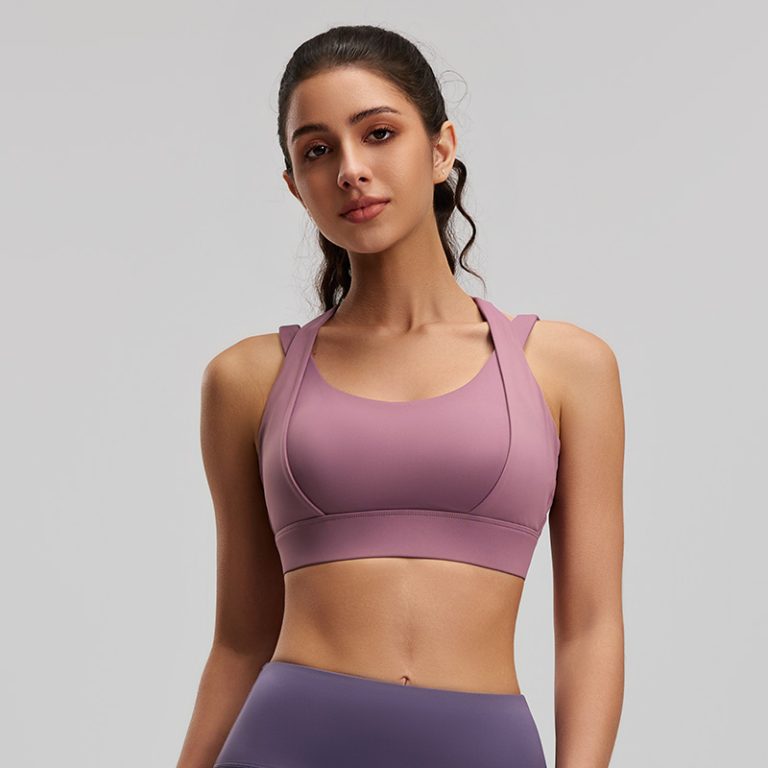
Choose a partner that blends production know-how with retail sense; the right factory turns design intent into consistent product. Joebond sits at that crossroads—bringing accessible manufacturing solutions and practical retail experience to each order. — Trust the details, track the metrics, and demand clear timelines.
