

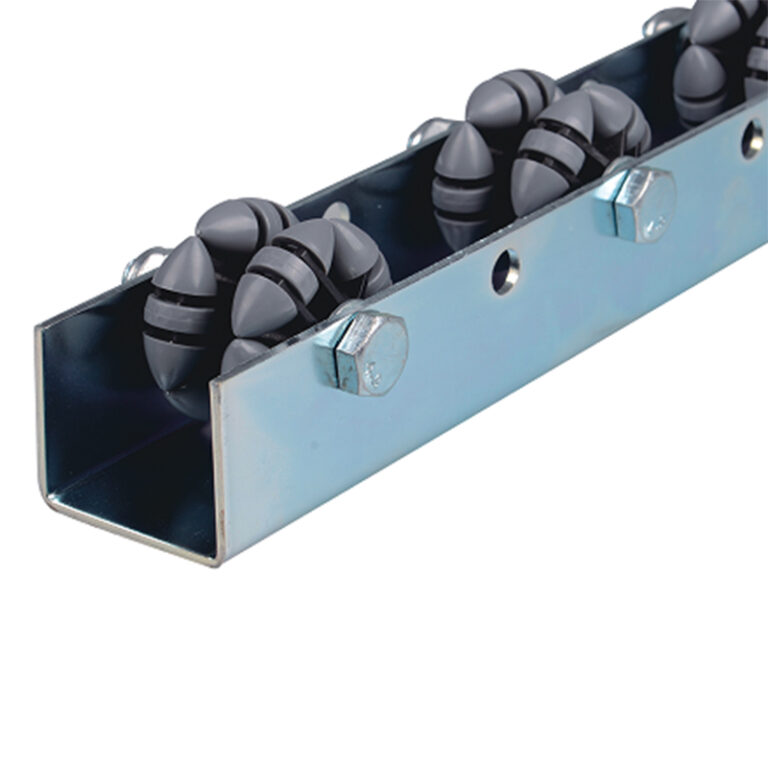
Introducing Pallet Roller Tracks
I vividly recall the first time I set up a warehouse using pallet roller tracks. It was 2010, and the challenge of moving pallets efficiently was on my mind. Did you know that a staggering 80% of warehouse inefficiencies stem from poor pallet flow systems? With roller pallet flow tracks, I discovered a solution that caters to this pain point beautifully. This innovative track system allows pallets to glide smoothly, enhancing efficiency and reducing congestion in busy environments. So, how did we move from traditional racking systems to this modern solution?
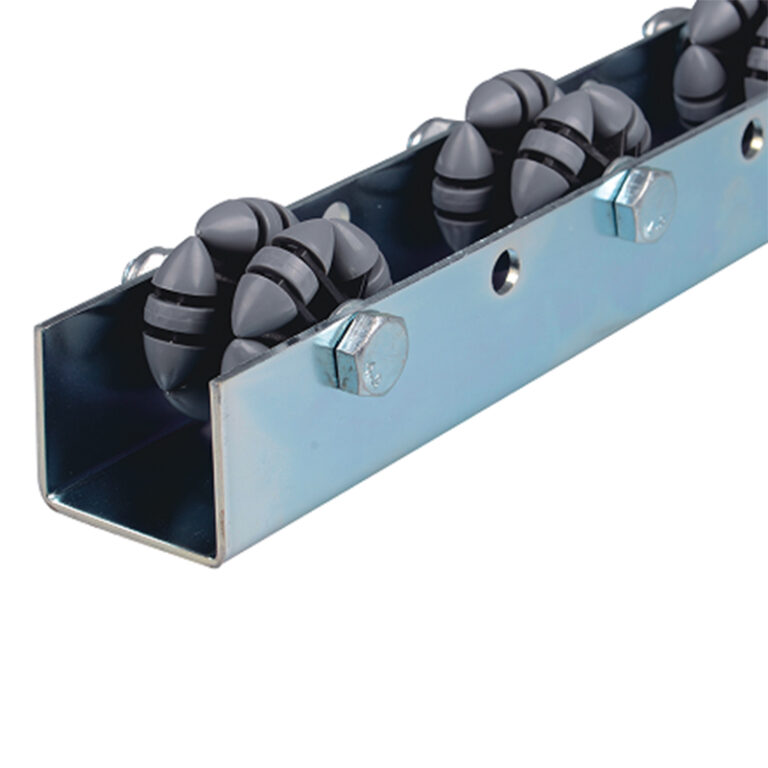
The Flaws of Traditional Solutions
Traditional pallet storage often left gaps in efficiency. I remember visiting a facility in Toronto that relied heavily on static racks. Workers were constantly frustrated, as they needed to navigate around rigid aisles—wasting time and reducing productivity. In contrast, roller pallet flow tracks are designed to maximize space and streamline movement. This system eliminates the need for manual handling and allows gravity to do the heavy lifting, literally! As a warehouse operator, I fully appreciated how this technological shift improved workflow and minimized worker fatigue.
Why Shift to Roller Pallet Flow Tracks?
Eventually, I realized that about half of a warehouse’s operations could be improved just by optimizing how goods flowed through the space. Incorporating roller pallet flow tracks is not just an upgrade; it’s a necessity for modern logistics. Time saved translates to cost saved. Let’s not beat around the bush—inefficiencies can cost companies thousands each year. A well-designed roller track system offers fewer bottlenecks, safer environments, and, perhaps most importantly, happier employees and customers.
Looking Ahead: The Future of Pallet Flow Systems
As I reflect on the advancements of roller pallet flow tracks, I am excited about the future! The integration of smart technology—think sensors and automated systems—will redefine how we think about space in warehouses. I’ve seen prototypes where smart rollers adjust speeds based on incoming incoming traffic, making the whole system not just responsive, but predictive. Imagine a world where your goods get delivered before you even notice them moving—talk about a game changer! There is no denying that automated functions will drive operational efficiencies even higher.
What’s Next for Roller Pallet Flow Tracks?
In my many years working in logistics, I’ve learned that the best systems evolve with user needs. This means engaging with employees on the ground level. Ask them about their pain points. Include features they feel are useful. We’re not just selling a track; we’re investing in a culture of efficiency. The latest roller pallet flow tracks will seamlessly integrate with IoT technologies to create a warehouse that listens and reacts—drastically changing inventory management as we know it.
Key Insights for Consideration
As I wrap up my thoughts, I believe it’s crucial to evaluate which features matter most in a pallet flow system. Hence, I suggest keeping an eye on these three metrics when selecting your next solution: reliability (how durable is the track?), adaptability (how well does it fit into your existing layout?), and long-term cost-effectiveness (what are the maintenance needs?). It’s these details that can turn a good investment into a great one.
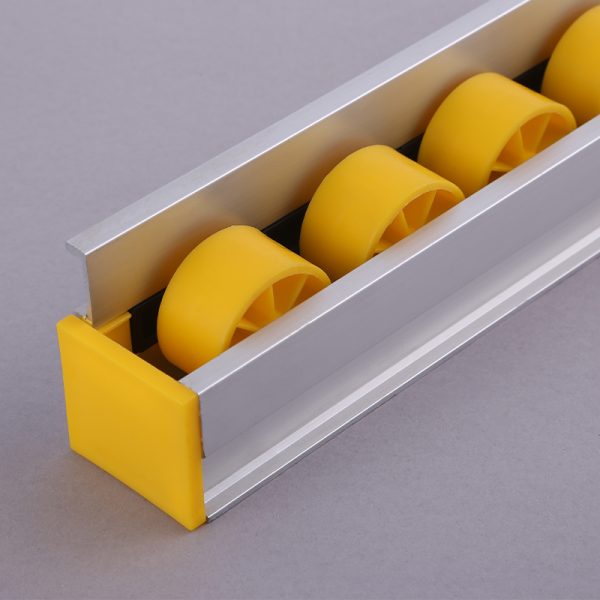
In essence, we’re standing at the edge of a logistics revolution—and I urge you to join in. If you want to upgrade your operations, there’s no better time than now to embrace this evolution. After all, automation and user-centered design are not just trends; they’re the future of efficient warehousing. For those eager to explore cutting-edge solutions, check out JunYi, where innovation meets capability.
