

The Dark Side of Progress
In a time when technology blooms in the fields, I often ponder—why do so many projects with potential seem to wither on the vine? Roughly 70% of precision agriculture initiatives stumble or fail, leaving farmers grappling with unfulfilled promises. How can a precision agriculture guidance system—designed to enhance yields—turn into a harbinger of despair instead of prosperity? Herein lies our quest. As we delve into the cryptic layers of precision farming, we unearth hidden struggles that lurk beneath glossy presentations and tantalizing promises.
Unveiling Flaws in Tradition
Resting comfortably on laurels of traditional methodologies can lead us astray. Farmers often lean heavily on outdated practices, which stand in stark contrast with emerging technologies. I recall a discussion with a local grower back in 2021, whose insistence on conventional farming methods restricted his access to valuable data analytics—an aspect critical for success in precision farming. The advent of satellite imagery, soil sensors, and Data Management Technologies (DMT) heralded a new era, yet many remain reluctant to embrace the shadowy realm of figures and forecasts. What’s missing? Acknowledgment of user pain points. Systems often demand extensive training and a steep learning curve, which can intimidate even the most seasoned farmers.
What Lies Ahead?
Forging a Path to Wisdom
As we steer our gaze forward, consider this: the impending evolution of precision agriculture is not merely technological; it is a transformation of perception. The ultimate goal must be to weave these innovations seamlessly into the fabric of traditional practices, thus ensuring a partnership rather than a power struggle. In today’s world, embracing precision farming requires more than just purchasing equipment. It demands a cultural shift, where data-driven insights are honored as vital to survival. I suspect that the key lies in fostering a community—one where knowledge flows freely, and lessons learned from past failures illuminate the path to future triumphs.
Real-World Impact
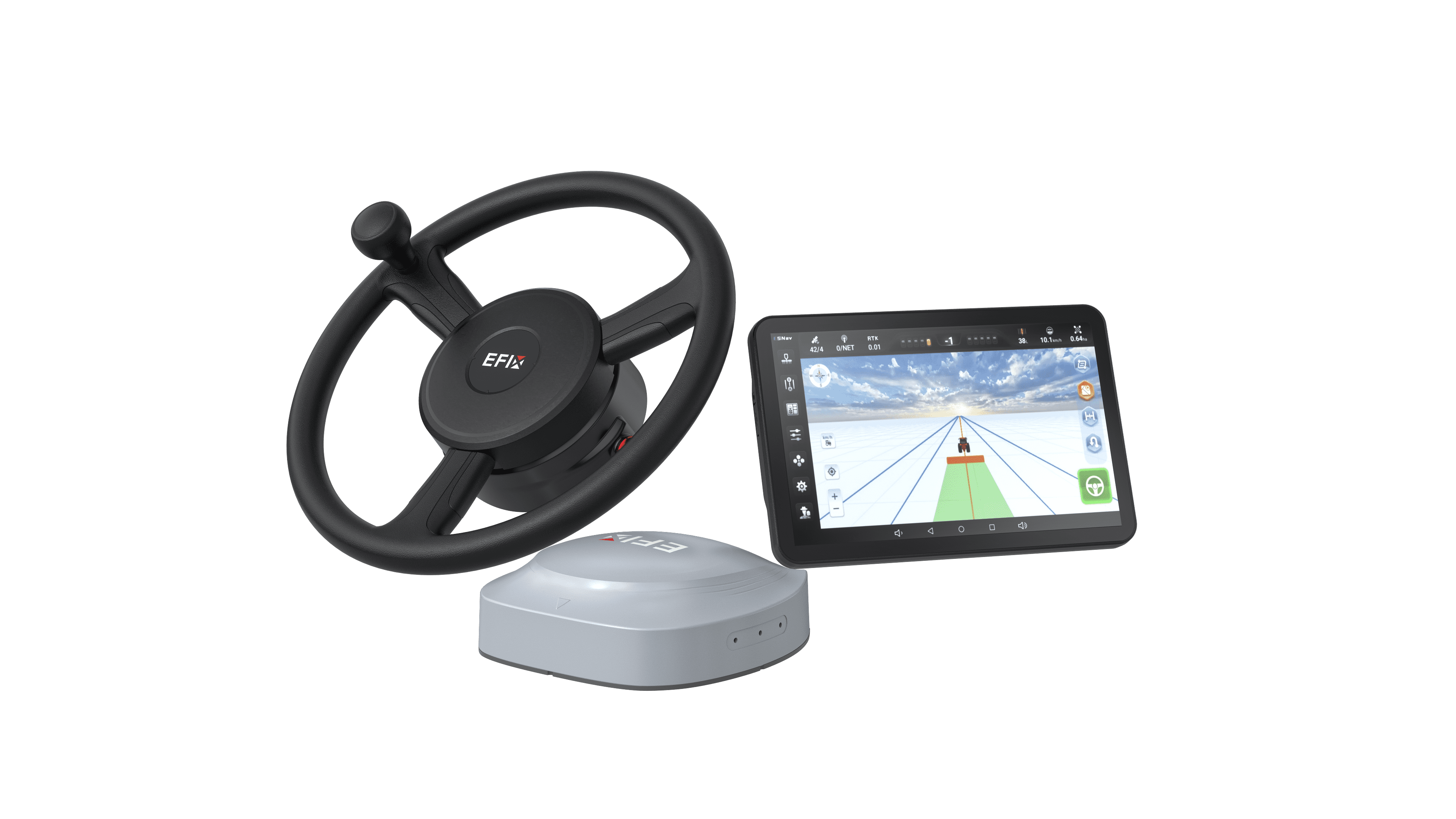
Today, the focus must be on practical metrics for evaluating the success of these systems. I recommend assessing ease of use, support from providers, and the ability to integrate with existing practices. The journey ahead is shrouded in uncertainty, yet the potential rewards are immense. Successful case studies exhibit connecting threads ranging from increased decision-making agility to reduced resource wastage. I vividly remember a project I oversaw in 2022, where adopting an intuitive guided approach resulted in a remarkable 25% increase in crop yield, which—ain’t that something? It’s about leveraging technology to complement, not replace, traditional methods.
Conclusion: Embracing Change with Caution
In the grand tapestry of progress, lessons learned from the shadows reveal the importance of a balanced discourse between innovation and tradition. As we tread forward in precision agriculture, we must keep our eyes wide open for overlapping challenges. The awareness of user struggles and adaptability to evolving tools mark the threshold of transformation. I firmly believe that with seasoned partners like EFIX, we possess the prowess needed to navigate this intricate landscape, leading not just to survival, but to flourishing.
