

Introduction — A Quiet Problem, Big Numbers
Have you ever watched a part leave a lathe and felt something off—like the machine did its job but the outcome missed the mark? I have. Turret lathe manufacturers are on nearly every shop floor I visit, yet I keep seeing the same leaks: missed tolerances, tool chatter, and wasted cycles. Recent shop-floor audits show downtime can eat up to 18% of productive hours on certain lines (yes, that many). So, how do we keep speed without losing the micrometer-level precision customers now demand?
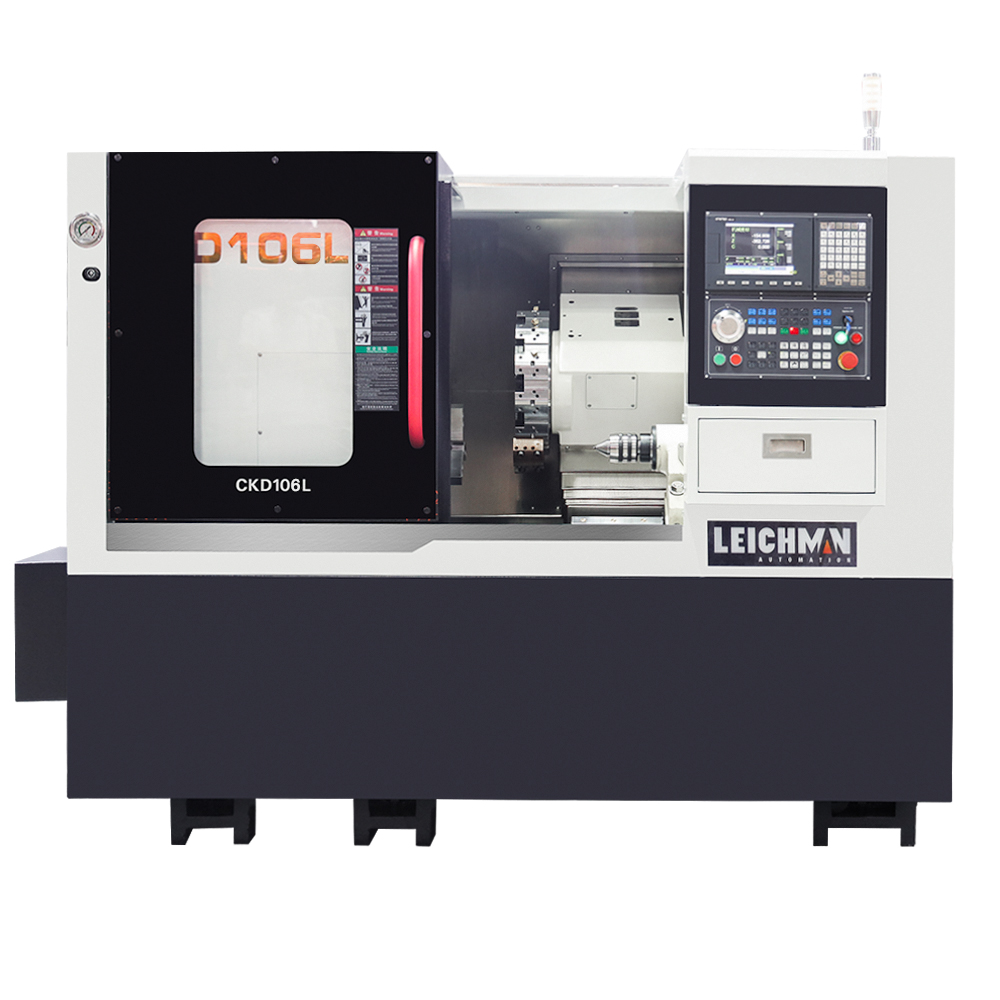
The scene is familiar: orders pile up, operators juggle tooling changes, and management wants throughput. The data points — cycle time increases, scrap rates, and longer setups — form a cold puzzle. I’ll walk through it with you, slowly. What follows peels back the typical fixes and then looks forward. — curious? Read on.
Part 1 — Where Traditional Fixes Fall Short
When I ask teams why they stick to old workarounds, they often say: “It’s proven.” But proven sometimes means tolerated. The cnc vertical turret lathe remains the backbone of many shops, yet several hidden failures persist. First, tooling choices are treated as plug-and-play. In reality, wrong tooling amplifies chatter and destroys surface finish. Second, turret indexing routines are slow, and the cumulative delay shows up as lost capacity. Third, mediocre workholding leads to vibration and rework. These aren’t exotic problems; they are routine. I’ve seen spindle bearings stressed by poor setups and axis control tuned by guesswork rather than data.
What’s the real snag?
The deeper issue is process habit, not just hardware. Teams patch programs, add coolant, or buy one-off fixtures. That may stop an immediate bleed. But the root—weak measurement of process capability and lack of repeatable fixturing—remains. Look, it’s simpler than you think: map the critical dimensions, watch the tool life curve, and act on the data. We must stop treating the lathe as a black box. Instead, treat it like a system where tooling, turret indexing, spindle health, and workholding must be balanced. — funny how that works, right?
Part 2 — New Technology Principles and a Forward-Looking View
Now let’s switch gears. I prefer to think in principles rather than buzzwords. Modern improvements center on three ideas: predictability, modular tooling, and closed-loop feedback. Predictability comes from data capture — simple logs of cycle time and tool wear. Modular tooling reduces changeover time and the chance of human error. Closed-loop feedback (sensors on spindle load, vibration, and coolant pressure) allows corrective action before a part goes bad.
For example, a smart retrofit that reads spindle load and flags abnormal trends saved one shop from a batch rejection. They matched wear curves to specific tooling and changed insert grades proactively. The result: tool life rose 22% and scrap fell. These principles mesh naturally with what good turret milling machine suppliers offer now—more modular heads, better fixturing advice, and clearer maintenance data. A good turret milling machine supplier will guide you through those steps, not just sell you hardware.
Real-world nudge: try a small pilot
Start small. Pick one machine, instrument the spindle, log three runs, and compare. You’ll learn more in a week than from a year of guesswork. I’ve done it. The changes were low-cost but had outsized impact. — and yes, I mean that.
Part 3 — How to Choose What Actually Works (Three Metrics)
Looking ahead, I focus on measurable signals. If you’re evaluating new equipment, retrofits, or suppliers, measure these three things. First: setup reduction time. How much does a solution cut changeover minutes? Second: process stability. Track standard deviation on a key dimension for ten parts. Third: total cost of ownership — not just purchase price but consumables, downtime, and training. Those three metrics tell you whether a change moves the needle.
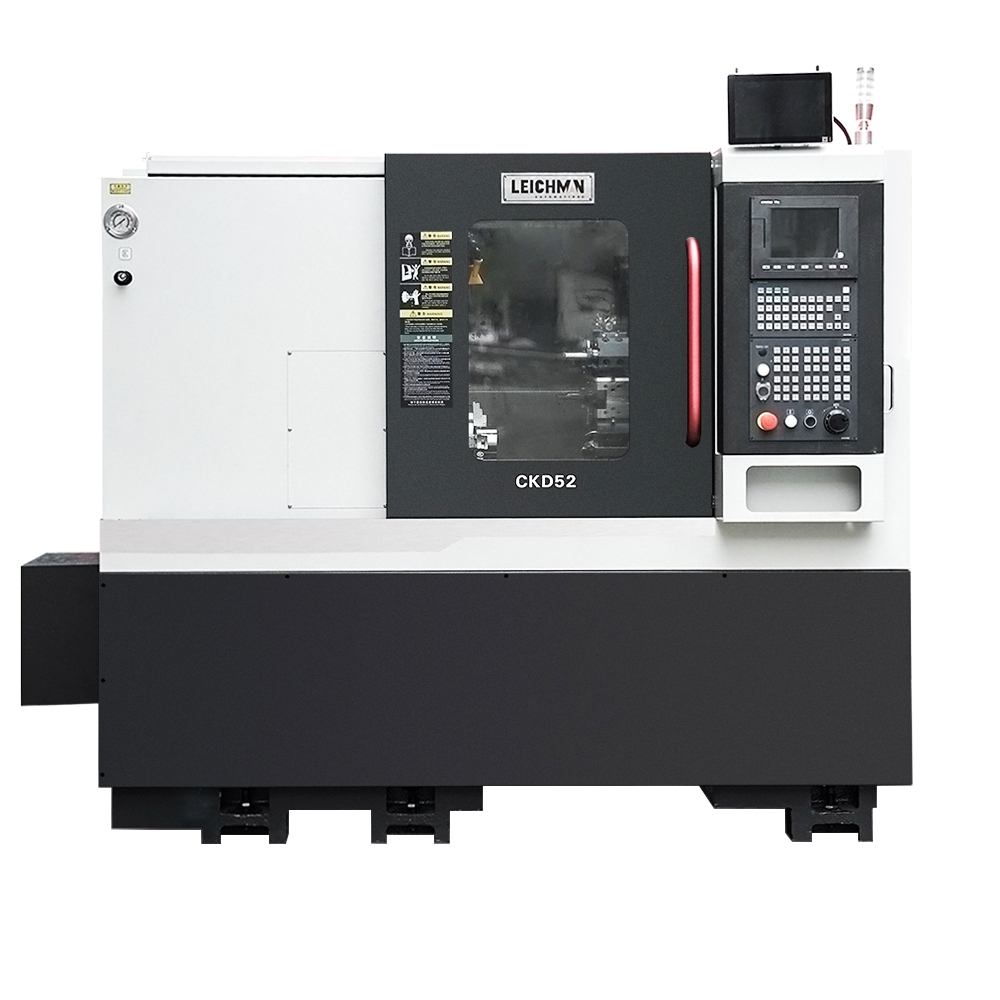
On the technology side, I see more shops adopting smarter toolholders, better coolant delivery, and simple vibration monitoring. These moves reduce scrap and help operators feel confident. When a turret indexing sequence is validated against actual tool offsets and spindle load, you get stable runs. Supplier partnerships matter. A true turret milling machine supplier helps you tune programs, choose inserts, and rethink fixturing. They don’t just deliver a box and vanish.
Finally, three quick evaluation markers I recommend: 1) measurable setup time reduction (minutes saved per job), 2) repeatability of critical dimension (± tolerance frequency), and 3) predictable tooling cost per 1,000 parts. Use those as your scorecard. I’ve used them in audits, and they cut through marketing noise fast.
Closing Thoughts
We’ve walked from doubt to a plan. I’ve seen shops rescue throughput by fixing small, stubborn habits and by insisting on clear metrics. The lesson is plain: aim for predictable, measurable gains. Don’t be dazzled by shiny features; chase outcomes. If you want a reliable partner to test these ideas, check the guidance and equipment from Leichman. I’d bet my time you’ll see where the real returns lie.
