


The margin killers you don’t see until it’s late
What’s the point of chasing 10 meters per hour if half your queue sneaks back as reprints? A December rush in Holon turned ugly; after moving to a dtf printer, reprints fell from 19% to 4%—how many more wasted rolls can you carry? I’m rewriting an in-depth guide for the 24in dtf printer buyer who wants predictable output, not just headline speed. I’ve run a retailer–consultancy out of Tel Aviv for over 15 years, and I’ve stood next to operators at 2 a.m. while steam rose off the curing unit. We’ve traded glances, said “tachles,” and fixed the real issues: white ink circulation, RIP settings, and film handling that decide whether you ship or apologize.

Traditional fixes look simple and fail quietly. Turn up heat? The adhesive powder darkens, edges crisp, and the PET film curls. Push more passes? Nozzle stress increases, the white layer bands, and you chase ICC profiles that never settle. In November 2022, at a shop on Kibbutz Galuyot, we stopped a runaway reject rate by lowering the bed temp 8°C, tightening humidity to 48–52%, and swapping the RIP’s default underbase choke from 2 px to 1 px. Result: 23% fewer remakes in two weeks, and powder waste down 28%. These are boring levers—cheap, repeatable, and often ignored. That’s the game: reduce unknowns before you add volume. Now let me show where a 24-inch format actually wins—and where it must prove itself.
Comparative insight: choosing 24-inch with eyes open
Real-world Impact
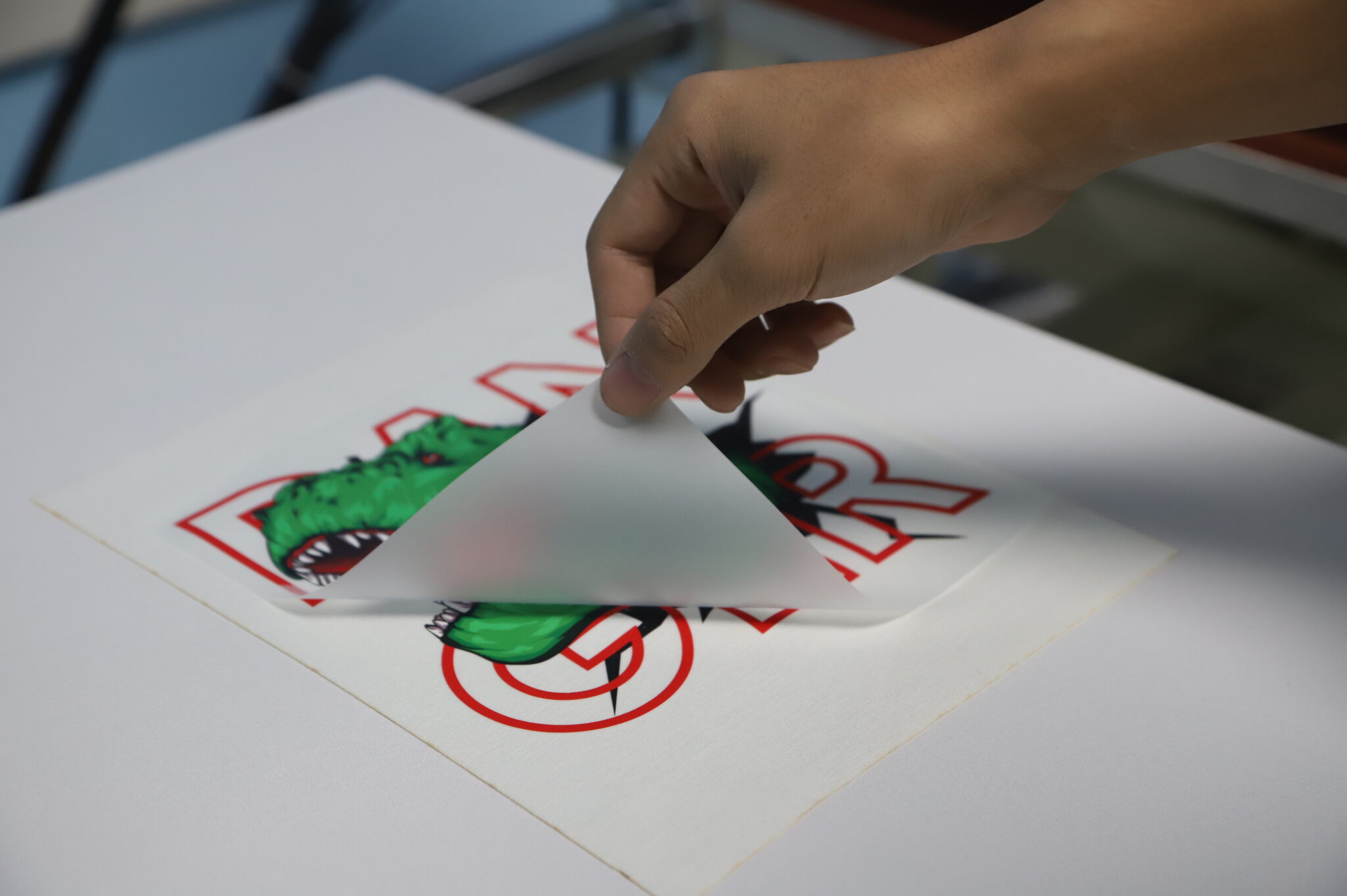
Against 13-inch desktops, a 24in dtf printer gives you roll-to-roll stability, steadier white ink circulation, and cleaner queueing in the RIP—fewer resets, less babysitting. Against 60-inch platforms, it fits standard curing cabinets and standard power, so you don’t rebuild the room (or the budget). I saw this in April 2023 in Haifa: one operator ran a 24-inch lane at 7.5 m²/hour of sellable film while keeping scrap under 6%. I paused—twice—to verify nozzle checks, because the consistency looked almost too smooth. Still, let’s be blunt. The size alone does not save you. Moisture in PET film swings adhesion; sloppy powder application leaves pinholes; lax morning purges invite clogging by noon. So I compare outputs per shift, not catalog specs. When I’m called to evaluate, I ask three things: 1) What is your stable sellable throughput per 8 hours, not burst speed? 2) What is the deviation rate from nozzle health checks to finished prints, week over week? 3) What is your full job cost—film, adhesive powder, energy, and rework—down to the shekel per piece? If those numbers hold, the 24-inch lane scales cleanly, adds a second roll without chaos, and keeps the operator fresh. That balance—process before pace—is how I keep buyers out of trouble. If you want a quiet benchmark and a realistic parts list, I’m happy to compare models from the same lens with Xinflying as a reference point.
