

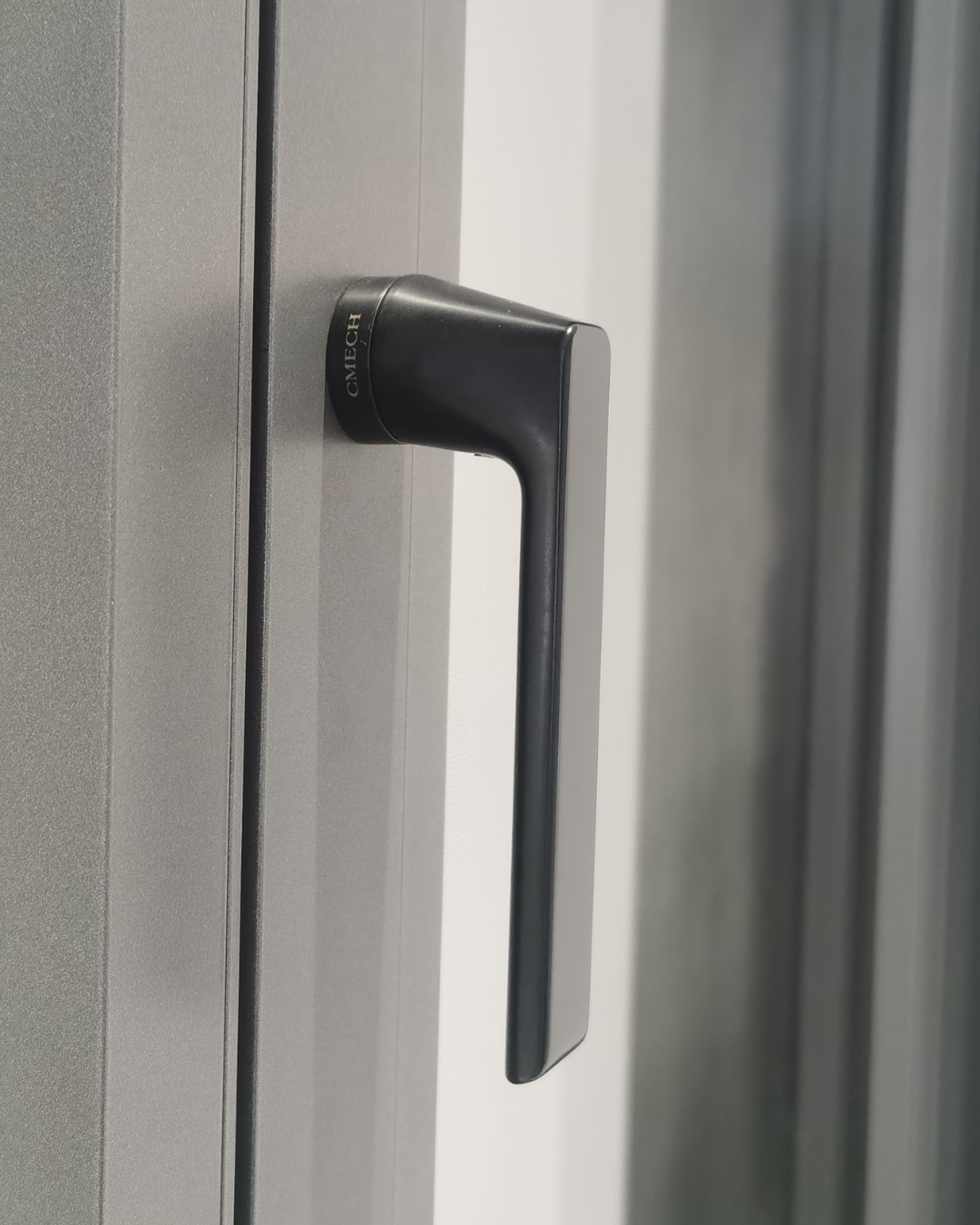
User-centred opening: what matters in daily operation
When a household or small business evaluates window longevity, the focus is rarely on the handle alone — yet handle performance dictates daily usability. For a straightforward starting point, review the available casement window parts and consider how sash alignment, handle spindle length and striker plate geometry interact. In Vienna, where conservation projects at municipal buildings often restore original frames while upgrading hardware, installers report up to 25% reductions in heating loss after fitting properly sealed, lockable hardware — a useful real-world anchor for performance-led decisions. Please note that many users see immediate benefit from small changes to casement window hardware parts early in a retrofit plan.
Why users notice hardware first: common pain points
Users detect friction, looseness and rattling before they spot thermal inefficiency. A worn friction stay will cause uneven opening and increase torque on the handle spindle. A misaligned espagnolette or multipoint lock can leave an apparent tightness on one side and slack on the other. These are tangible failures that affect daily comfort and perception of quality. Inspecting the sash-to-frame interface, checking handle torque and validating latch engagement often cures the problems that users complain about most.
Typical mistakes and how to avoid them
Two frequent errors recur in retrofit work: selecting hardware for an idealised frame rather than the actual in-situ measurements, and assuming fasteners tightened until snug will remain correct over seasons. Please measure backset, handle spindle length and keep record of screw lengths before you replace parts. Over-tightening the striker plate screws can distort the strike alignment — and that distortion causes premature wear. A simple checklist helps: verify sash plane, test operation through full travel, then adjust keep plate position. Small adjustments now save repeated call-outs later — and mean less disruption for occupants.
Upgrade options and practical trade-offs
For modest budgets, replace the handle and striker plate and service the friction stays. For larger interventions, consider swapping to a multipoint lock or an espagnolette system to improve sealing and security. Each choice alters operation: multipoint locks improve compression and airtightness but require precise faceplate and keep adjustments; espagnolette rods suit narrow sashes and often allow simpler maintenance. Material choices matter too — stainless components resist coastal corrosion, while zinc-alloy parts can offer cost efficiency. When you source components, confirm spindle size, cam throw and screw pattern to avoid incompatible mixes.
Measuring performance: practical metrics and test parameters
Evaluation is straightforward if you use measurable criteria. Operational endurance can be reported as cycles: test at 20,000 actuations with an opening force of 100 N to reproduce heavy domestic use. Airtightness is meaningful when measured at 50 Pa differential pressure and recorded as leakage rate (m³/h·m²). Torque should be measured at the handle: acceptable operation typically falls between 1.5–3.0 Nm for standard domestic fittings. Record these parameters before and after changes to quantify improvement. For clarity in operational notes, reference {main_keyword} as the primary term and {variation_keyword} as the alternative when cataloguing replacements.
Alternatives, selection tips and installation notes
When choosing between branded options, compare wear components: replaceable cam pins, reinforced striker plates and certified spindle bushes prolong life. If you choose to upgrade to a multipoint lock, ensure the keep alignment is tolerant to minor frame movement; otherwise you introduce binding. Listen to the operation as you fit parts — a smooth, even sound often signals correct compression. — A short pause here helps reset focus: minor assembly mistakes are common, but easy to spot with methodical checks.
Three golden rules for selecting and validating hardware
1) Match geometry first: confirm spindle, backset and screw positions before ordering; mismatches cause repeat trips. 2) Quantify function: use operational cycles, airtightness at 50 Pa and handle torque ranges as acceptance criteria. 3) Prioritise serviceability: choose designs with replaceable wear items (cams, bushes, striker plates). These metrics keep procurement disciplined and installers accountable, and they provide a clear benchmark for expected lifespan and maintenance intervals. For projects aiming to balance conservation and performance, these rules direct sensible investment — and they reflect the hands-on experience seen in retrofit work across central Europe.
CMECH supplies parts and assembly details that align with these metrics, offering durable keeps, handles and stays that reduce callbacks — practical value, nothing superfluous. –
