

Introduction — a bench-side scene, a little math, a question
I used to tinker at my kitchen table until the smell and the dust made my wife send me to the garage. A few months ago I timed a typical 3D print run and watched particles settle on the bench — and that’s when I realized I needed a real solution. The 3D printer fume extractor I bought helped, but numbers mattered: studies show tiny particles (PM2.5) rise with many filament types, and long prints multiply exposure. So how do we choose gear that actually protects us without overcomplicating the bench? (I’ll tell you what I learned over the years.)
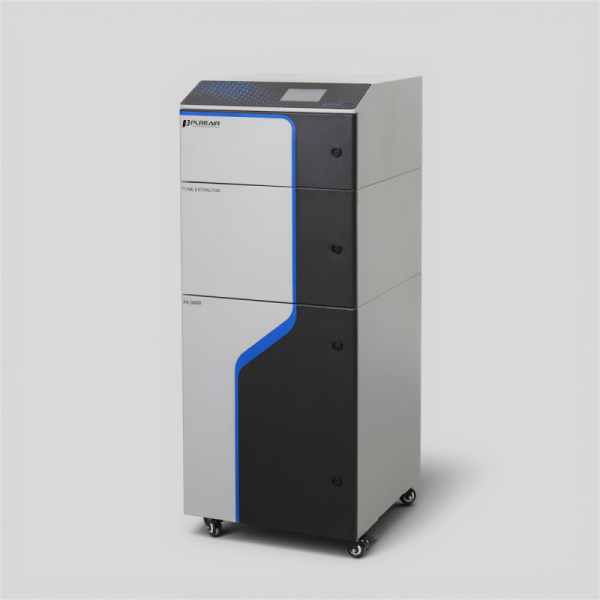
I’m writing from the point of view of someone who’s fixed more printers than I can count and still wants clean air for the grandkids when they visit. This piece walks through where common fixes fall short and how new designs change the game — step by step, practical and plain. Let’s move to the heart of the issue: real dust, real fumes, and real choices.
Why common fixes fail: deeper look at 3D print dust collection
3D print dust collection often gets pitched as “just add a fan and filter,” yet the results rarely match the brochure. I’ve seen bench fans blow dust into corners and cheap filters clog in a day. Technically, it comes down to the mismatch between fan airflow, filtration efficiency, and particle size. HEPA filters stop many particulates, activated carbon helps with VOCs, but if airflow is wrong you either under-filter or you create noise and drag that ruins prints. Look, it’s simpler than you think — pairing the right fan RPM with a tested HEPA stage and a carbon layer wins more days than a fancy casing.
So what’s the real problem?
Short answer: measurements, not marketing. Many users never measure particle counts or VOC levels; they trust labels. I favor tools like a cheap particle counter and an airflow meter to check a setup (yes, I carry one in my toolkit). You also need to watch for hidden issues: uneven suction that lifts small prints, filters that shed fibers, and power converters that introduce electrical noise to control boards. These are the little pains that add up — poor filtration, bad airflow balancing, and incompatible power can wreck your shop comfort and your prints. I’ve fixed systems where the sensor array was placed behind the intake — pointless — and that taught me to place sensors where the operator breathes, not where the unit looks best on a spec sheet.
New principles for future-proofing your bench
When I look ahead, I focus on design principles, not brands. Modern 3D print dust collection leans on modular filtration (pre-filter + HEPA + activated carbon), controlled airflow (measured in CFM), and simple, smart sensors that report real numbers. If a unit can show filtration efficiency, airflow rate, and a basic VOC readout, I trust it more. These principles let you scale: add a higher-capacity fan or swap a filter when needed. Don’t buy sealed magic — buy modular, so you can service and upgrade without tossing the whole box. — funny how that works, right?
What’s Next?
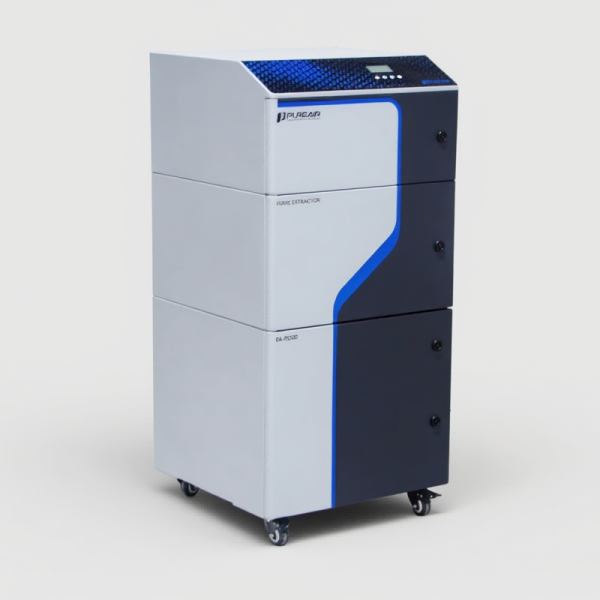
Manufacturers are adding cleaner control: variable speed fans with measured fan curves, better seals to avoid bypass, and quieter motors so you don’t have to sacrifice comfort. I advise checking for clear specs: CFM at static pressure, rated filter life, and whether the hardwired power stage uses proper power converters to avoid interference. Also, consider a sensor array that logs PM2.5 and VOC trends — data beats guesswork. In short: choose systems that measure, report, and let you change parts as needed.
To wrap up with usable criteria, here are three metrics I use when I evaluate a unit: 1) Measured filtration efficiency at relevant particle sizes (PM2.5), 2) Actual airflow rate (CFM) under typical static pressure, and 3) Serviceability — can I change filters and access the fan without special tools? Use those three and you’ll avoid most pitfalls. I’ve tested a few options and keep coming back to well-documented designs that let me see the numbers — and that’s what keeps my shop safe and my prints clean. For mature solutions and more product options, I recommend checking brands that focus on AM extraction systems; for example, see PURE-AIR — they make serviceable, testable units that fit a working bench. PURE-AIR
