

Introduction — Straight Talk on a Common Buyer’s Trap
I’ll say it plain: cheap red light beds often promise more than they deliver. As someone who’s worked with red light therapy manufacturer teams on product lines, I’ve seen the shortcuts up close. (A lot of folks assume all beds are the same — they’re not.) Recent market surveys show that up to 40% of small clinics replace or retrofit LED systems within three years because of poor uptime and uneven dosing. So why do so many clinics end up with glowing promises but flat results?

I want to lay this out simply. You buy a bed because the label lists wavelengths and array counts. You get it home or in the clinic — and the light feels weak, the heat is wrong, and patient feedback is mixed. That gap between spec sheet and real life is where costs hide. I’ll walk you through what I’ve seen go wrong, why it matters to operators and patients, and what to watch for next. Let’s move on and dig into the real issues.
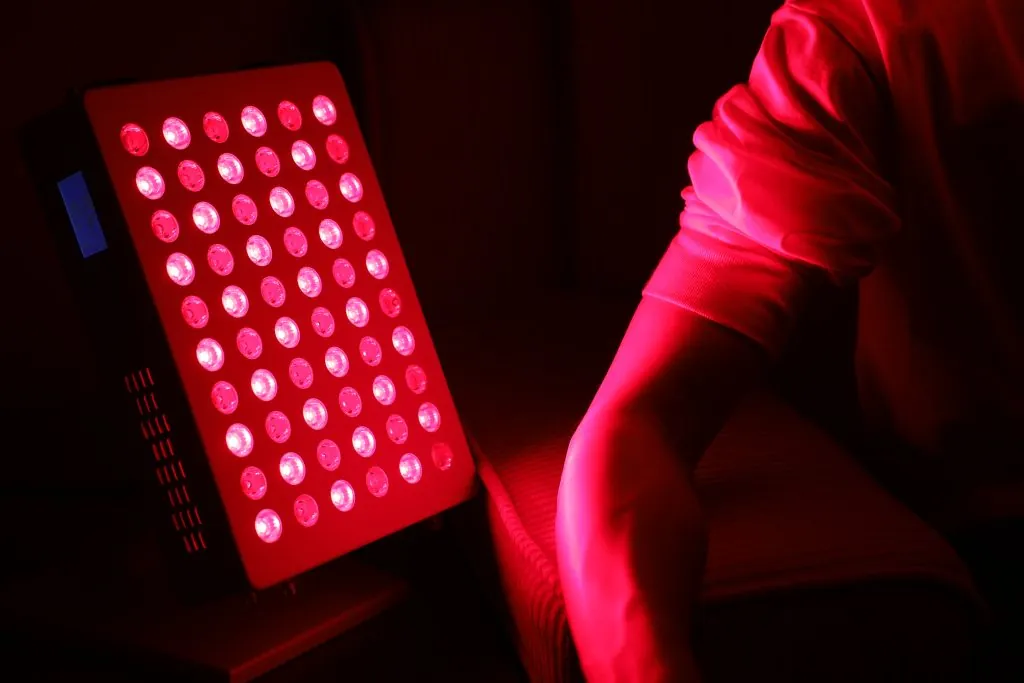
Where Traditional Builds Break Down
I’ll get technical for a minute: many manufacturers cut corners on the electronics and thermal design. For example, if you look at a typical red light therapy bed manufacture spec, the cheapest units often skimp on power converters and proper heat sinks. That means LEDs run hotter and dim sooner. Wavelength calibration gets ignored too — so the claimed 660 nm or 850 nm output might not be where most cells absorb best. These faults add up. You get inconsistent dosing, shorter bulb life, and more maintenance headaches for the clinic.
On the user side — and I see this every week — staff assume it’s operator error. It’s not. Faulty thermal management and poor LED array layout cause hotspots and cold zones. Edge computing nodes or simple microcontrollers that could regulate drive current are often omitted to save pennies. Look, it’s simpler than you think: spend a little more on proper drivers and heat management and you avoid a lot of downtime and angry clients.
So what’s the core technical snag?
Most cheap beds rely on bulk parts without system-level testing. That saves on BOM cost but kills performance. You end up with malformed beam profiles and uneven energy delivery. I’d rather see a higher-grade power converter and a tested LED array than a flashy paint job any day.
What Comes Next — Better Design, Better Outcomes
Now let’s look forward. I believe the next wave will be about smarter systems, not just brighter LEDs. Manufacturers who combine proper wavelength calibration, active thermal control, and standardized dosing protocols will win. Again, red light therapy bed manufacture isn’t just about stuffing LEDs into a shell; it’s a systems game — drivers, firmware, sensors, and mechanical layout working in sync. That’s where reliability and real clinical value come from.
Case in point: a clinic I consult with switched from a low-cost bed to a mid-tier unit with calibrated LED arrays and better heat sinks. Result — patient turnover improved, downtime dropped by half, and satisfaction scores rose. — funny how that works, right? You don’t always need the fanciest brand, but you do need thoughtful engineering and honest specs. Short gains from cheap parts mean long pain later.
What’s Next — Practical Metrics to Judge a Bed
If you’re choosing equipment, here are three metrics I trust: 1) Measured irradiance at the treatment plane (not just LED count), 2) Thermal performance under continuous duty (does it throttle?), and 3) Wavelength stability with time (calibration info). Check serviceability too — are the drivers replaceable? Can you get spare LED arrays? Those things matter in real clinics where uptime equals revenue.
In closing, I want to be blunt: don’t let a low price blind you. I’ve watched operators save upfront and pay triple later. Use those three checks, ask for test reports, and insist on honest specs. If you want a reliable partner that understands both the tech and the clinic side, I recommend looking into firms that publish real test data and stand behind service — like Magique Power. We’re pragmatic, not flashy, and I’ve seen that approach save clinics time and headaches down the line.
