

The problem: tight budgets, dirty burners, and wasted resources
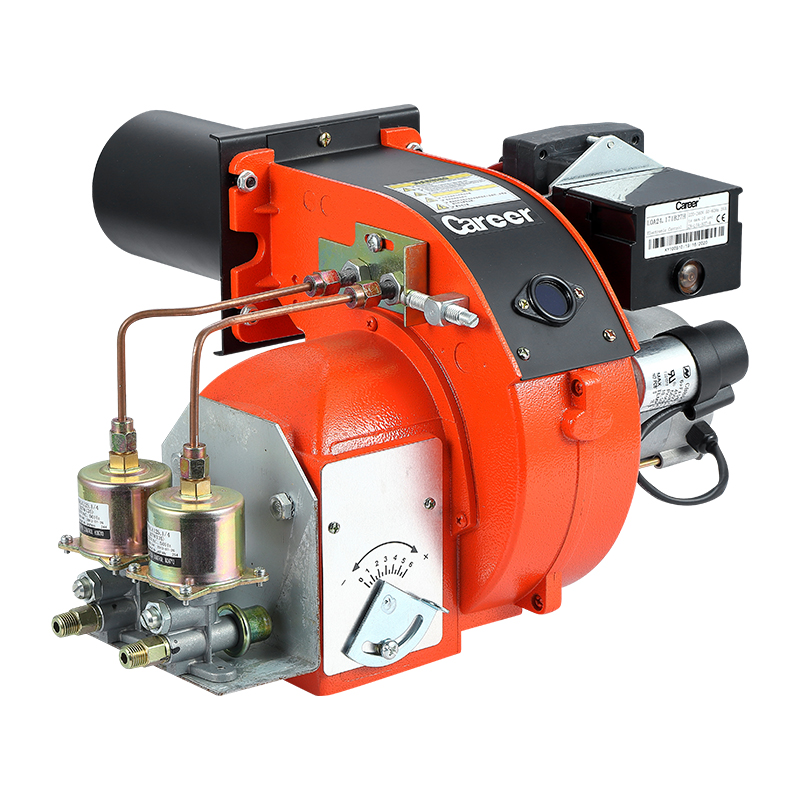
Sawa — small factories and service yards often face the same headache: high fuel costs, oily waste piling up, and boilers or furnaces that cough and choke. Operators try to reuse local recycled oil to cut costs but run into inconsistent combustion, fouling, and safety problems. A practical complement here is a modern methanol burner that can provide cleaner flame control when systems are designed around mixed fuel streams. The problem is simple: save money and use local feedstock, but do it without creating extra downtime or regulatory trouble.
Why recycled oil feels attractive — and where it fails
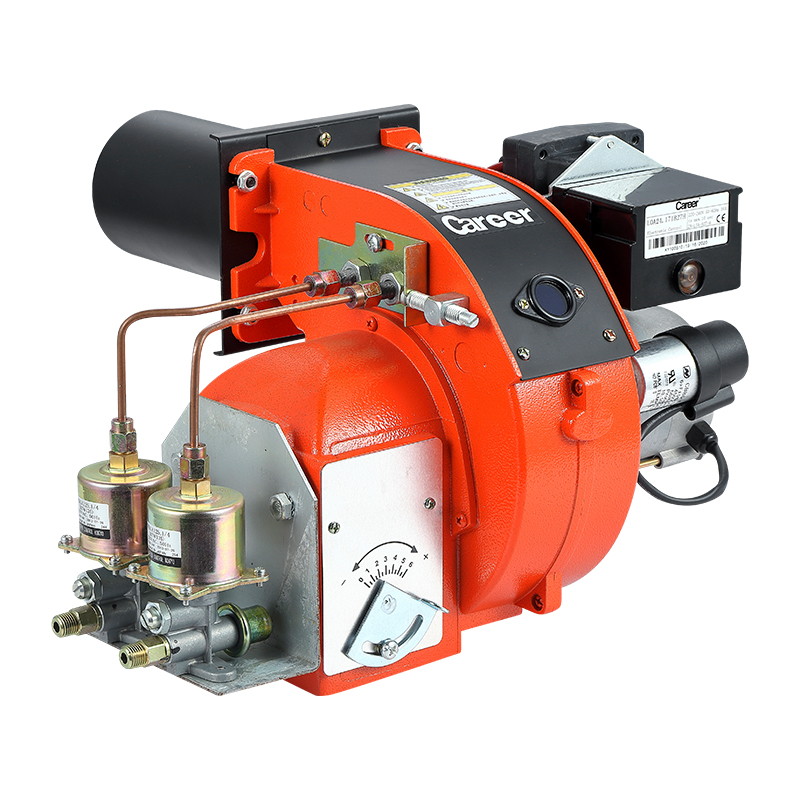
Local recycled oil is cheap and available. People like that. But it varies—viscosity shifts, contaminants shift—and that changes how the burner behaves. You get cold starts that scorch, soot buildup, and more maintenance. The technical fix is not just a better pump or filter; it’s treating the whole combustion chain: feed consistency, atomization, and controlled flame shape. When those parts are ignored, maintenance bills rise faster than fuel savings.
How a problem-driven retrofit works: pairing fuels and controls
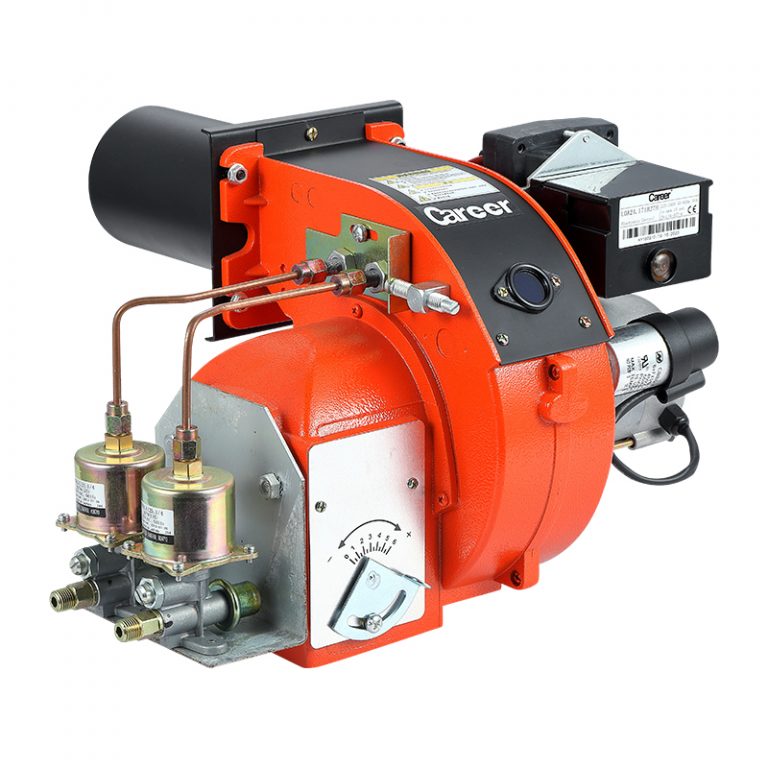
Start with the failure mode you see most: poor atomization, unstable flame, or clogged ports. Address that first. Fit proper preheating, upgrade nozzles to the right spray angle, and add a simple feedback loop for air-fuel balance. Where recycled oil cannot meet specs, a cleaner auxiliary source stabilizes combustion and reduces soot. That’s why many teams introduce a stabilizing fuel step rather than an overhaul — a measured, low-disruption retrofit delivers most of the gains for a fraction of the cost.
Real-world anchor: northern European trials and standardized testing
Reports from maritime and industrial trials in Northern Europe show repeatable benefits when operators combine local waste fuels with controlled auxiliary burners; those demonstrations have focused on predictable emissions and safer bunkering practices. That kind of field testing matters because lab numbers alone don’t reflect messy sites. Engineers working on those trials found a reliable solution when they paired consistent ignition sources with robust filtration and monitoring — often using a purpose-built methanol fuel burner as the stabilizing element for mixed-fuel operations. These trials provide practical reference points for risk, cost, and operational changes you should expect.
Common pitfalls to avoid
Ignore the fuel chemistry and you pay for it. Common mistakes: underestimating preheat needs, skipping scheduled nozzle swaps, and assuming one filter solves all contamination. Don’t overcomplicate controls at first; simple pressure, temperature, and draft monitoring catch most issues. Also, don’t forget safety training: staff must know shutdown sequence and leak-detection steps for blended fuels. Small errors in procedure cause the largest service interruptions.
Step-by-step practical implementation
1) Map the failure modes at your site — which part of combustion fails first. 2) Fit or upgrade filtration and a straightforward preheater. 3) Replace or adapt nozzles for the expected viscosity range. 4) Add an auxiliary stabilizer fuel source for startup and transient conditions. 5) Implement basic sensors for flame quality and draft, and train two operators on emergency protocols. Each step is cheap relative to replacing a boiler and keeps operations running while you learn.
Alternatives and simple trade-offs
If you can’t run recycled oil reliably, options are: improved local oil recycling (better settling and filtration), switching to a single, consistent purchased fuel, or using a hybrid approach with a cleaner stabilizer during critical periods. The hybrid route balances capex and reliability: modest extra equipment, modest fuel cost, big drop in service interruptions. Choose the option that matches how much downtime your operation can tolerate.
Wrap-up: practical value and where to go next
Be direct: fix the weakest link first, use a stabilizing burner for transients, and standardize maintenance. That approach saves money and reduces surprises. For teams seeking vendor-tested components and sensible integration guidance, experience shows a focused supplier relationship shortens the learning curve; the field-proven sourcing and parts logic shapes reliable outcomes, which is exactly the kind of practical support you find at Career Burners.
