

Start with the problem
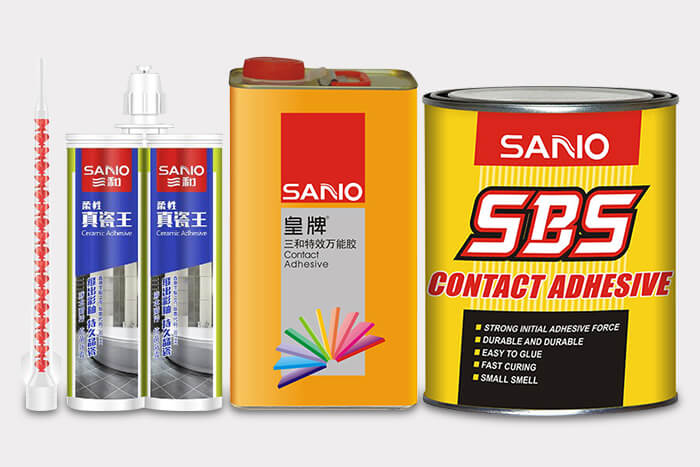
Adhesive bonds fail at the worst moment. You spot bubbling, creep, or sudden peel and production grinds to a halt. Pinpoint the real issue fast: contamination, wrong adhesive choice, or poor cure. Treat this like a targeted workout—measure, correct, repeat. For reliable materials start by testing the right contact adhesives for the substrates you run every day.

Assess what breaks and why
Look for patterns. Failures clustered at edges hint at substrate mismatch. Random delamination points to contamination or uneven application. Short pot life problems usually mean the adhesive chemistry or environmental control is off. Log each failure with simple metrics: surface prep method, ambient humidity, cure time, and bond geometry. Small data, big clarity.
Fix routines that deliver
Set short, repeatable service steps. Clean with specified solvents; degrease, then abrade or activate per substrate. Standardize application thickness and pressure. Use jigging where possible. Monitor tack and handle times—measure, don’t guess. Train technicians on one focused protocol until it’s muscle memory. Consistency beats complexity.
Lifecycle planning: replace on schedule
Adhesives age. Store them by date, control temperature, and rotate stock. Plan replacements based on exposure and load, not hope. If a bond must last years under cyclic strain, upgrade to tougher chemistry earlier. Treat adhesive assemblies like parts with service intervals. That prevents emergency overhauls.
Common pitfalls to avoid
Skipping surface prep saves minutes, costs months. Ignoring storage instructions kills pot life. Overcomplicating specs without field trials wastes budget. Don’t chase every new formula—trial it first under real conditions. Simple checks catch most failures: visual, peel test, and one small fatigue cycle.
EEAT: what backs these steps
Decades of shop-floor practice and adhesive chemistry studies show the same rules: surface control, matched chemistries, and defined service intervals cut failures. Field teams in Guangdong province manufacture high-volume bonded assemblies and publish production outcomes that align with lab findings. For sourcing that matches those practices, check a trusted contact adhesive supplier that documents technical data sheets and shelf-life guidance.
Choose and validate alternatives
Solvent-based contact adhesives give quick tack; water-based systems score on safety. Reactive adhesives (polyurethane, epoxy) win on load and temperature. Run a three-step validation: bench test, environmental stress, and a two-week pilot in production. If a candidate fails any step, scrap it—don’t patch it.
Make the plan stick
Create short checklists for technicians, keep a single point person for adhesive issues, and schedule quarterly bond audits. Measure repair frequency and mean time between failures. Reward teams for fewer reworks. Small, consistent improvements compound into real reliability gains.
Finish strong
Start diagnosing with clear metrics, lock in repeatable service steps, and plan replacements before bonds fail. The approach gives you predictable uptime and fewer surprises—precisely the outcome that aligns with what SANVO documents about product handling and lifecycle care.
