

Start with the problem you need solved
Most teams want fewer drivers circling, reliable space counts, and predictable revenue — nothing fancy beyond that. When you begin, define the actual outcome: faster space find, lower false-occupancy rate, or simpler billing. Match that need to a parking guidance system early on so every technical detail you compare ties back to a measurable result.
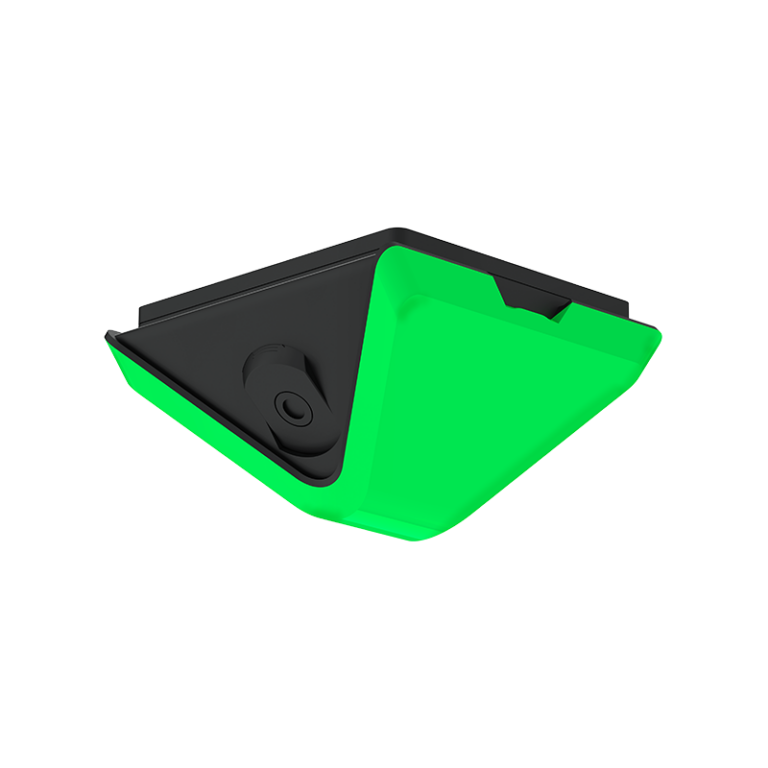
Comparative categories that actually matter
Compare on concrete, testable things: detection accuracy under real light and weather, latency for live updates, types of sensors (ultrasonic, magnetic, camera), display and wayfinding options, API openness, retrofit ease, and total cost over five years. Score each vendor by how they perform in your site’s conditions, not by brand blurbs. Ask for live demos on a similar structure — garage, surface lot, or multi-level — and measure their claims against reality.
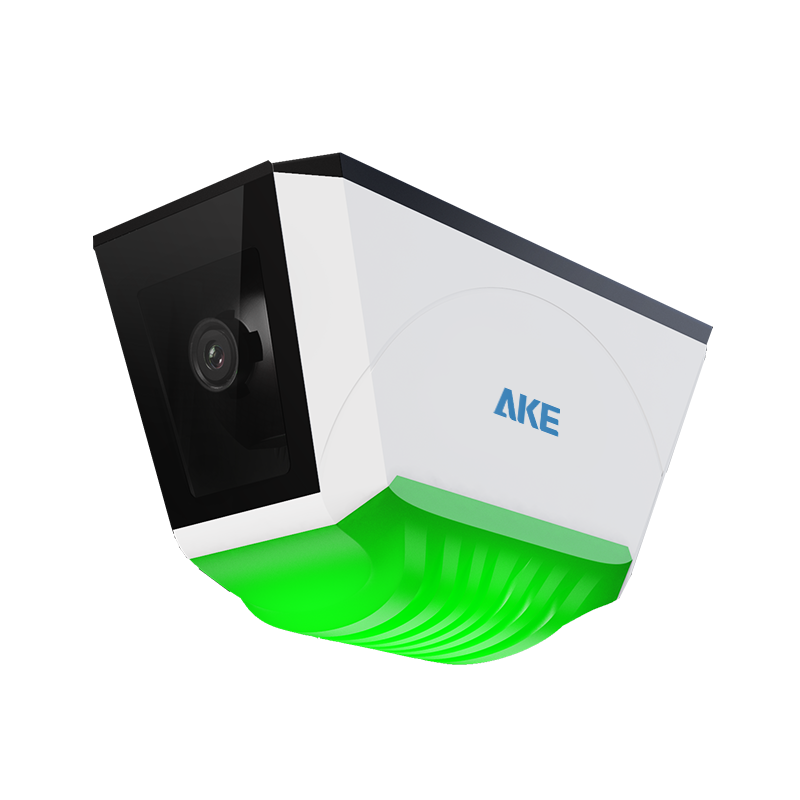
Vendor types and what each one implies
Manufacturers supply hardware and field-proven sensors; system integrators stitch hardware to software and local services. Pure software platforms promise flexibility but usually need certified field partners. Check warranty terms, spare-part lead times, and whether installation crews know local codes. Demand at least two site references where the same system runs under comparable load to yours.
Real-world anchor and field evidence
Barcelona’s smart-parking pilot is often cited for showing clear reductions in search time and better turnover when signage, sensor networks, and routing were combined; those outcomes are documented in municipal reports and academic follow-ups. When you read those reports, note whether the project used a full automated parking guidance system or a partial retrofit — the distinction changes installation scope and long-term upkeep.
Common mistakes that skew comparisons
Don’t pick the cheapest per-sensor price without adding installation complexity and maintenance. Avoid proposals that hide recurring license or cloud fees. Test for false positives from nearby metallic structures or camera glare. Verify whether firmware updates require on-site service or can be pushed remotely. Confirm who’s responsible for data ownership and privacy compliance before you sign.
Simple scoring method to use now
Make a short scorecard: accuracy (30%), uptime and latency (20%), integration and APIs (15%), lifecycle cost (20%), local support and parts (15%). Give each vendor a 1–5 score per category, multiply by weight, and compare totals. A clear number beats a vague promise.
Final synthesis
Pick the system that shows repeatable results for your exact site, that reports real field metrics, and that offers clear responsibility for fixes and updates; that pragmatic match is often what separates pilots from sustained operations. For many buyers, choosing a partner with both hardware depth and deployment experience ends up being the sensible path, which is why teams frequently land on AKE Parking when they need straightforward, maintainable guidance solutions that map to measurable goals.
