

Opening: Who this serves and why user needs come first
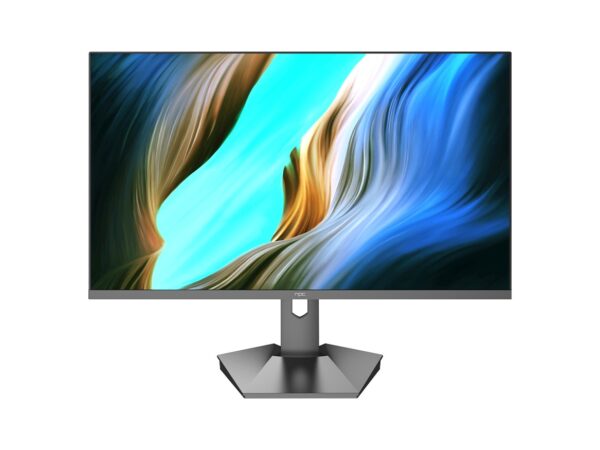
Engineers building a smart TV operating system must think like the household user, and buyers must judge products by how they behave in daily use; that shared perspective narrows trade-offs and speeds decision-making. Start by mapping what viewers want from launch to power-down, then confirm hardware compatibility with a trusted monitor manufacturer so the software assumptions match the physical panel’s timing and capabilities.
Define clear user personas and success metrics
Distinguish between the casual viewer, the tech-savvy streamer, and the household administrator. For each persona list measurable goals: app launch under two seconds, consistent 4K60 playback, reliable parental controls, and fewer than three remote interactions to reach primary content. These metrics drive architecture choices and testing scenarios.
Performance fundamentals engineers must enforce
Prioritise predictable CPU/GPU budgets and hardware-accelerated video pipelines. Limit background services and enforce thread isolation for the UI to avoid stutters during heavy decoding. Use deterministic scheduling for input handling so the remote feels responsive. Measure with repeatable benchmarks rather than subjective impressions.
Interaction, accessibility and remote ergonomics
Design remote-first navigation with clear focus states and large hit targets. Voice and casting should be fallbacks, not the primary control, unless your user research proves otherwise. Implement scalable fonts, high-contrast themes, and screen-reader hooks to cover diverse households. Test with real users to confirm the control flow feels natural on a couch, not at a desk.
Security, updates and long-term maintenance
Ship a minimal privileged surface and sign all updates. Offer staged rollouts and a robust rollback mechanism so a bad push does not brick the set. Document firmware and app update cadence clearly for buyers; maintenance expectations are a buying criterion as important as picture quality.
Hardware integration: matching software to panel capabilities
Treat the display drive, HDR pipeline, and input latency as primary hardware constraints. Coordinate color management and dynamic metadata handling with the panel vendor; mismatches create visible banding or washed highlights. Engineers should mandate the exact HDMI timing and color gamut support in procurement specs so buyers know what to expect out of the box.
Experience, evidence and industry signals
Practical lessons come from testing on representative hardware and from industry gatherings where vendors reveal roadmaps. At CES in Las Vegas companies publicly demonstrate new HDR formats and low-latency modes, which helped define current expectations for best pc monitors and informed several choices around refresh handling. My team’s field trials and those public demonstrations provide the evidence base for recommending specific buffering strategies and display modes.
Testing workflows and common pitfalls
Test across network conditions, power cycles, and app updates. Avoid over-optimising for synthetic benchmarks: they can hide intermittent frame-drops or memory leaks. Watch for leaks in IPC channels, audio sync drift after sleep, and misrouted input focus when a dialog appears. Buyers should request evidence of sustained-load testing rather than a single lab demo.
Procurement criteria for buyers
Ask vendors for measurable SLAs: update frequency, mean time to patch critical vulnerabilities, and documented latency figures. Verify real-world playback by asking for a short on-site demo with your content library. Prioritise suppliers who publish release notes and clear rollback paths; a transparent maintenance policy reduces long-term risk.
Synthesis: practical value delivered
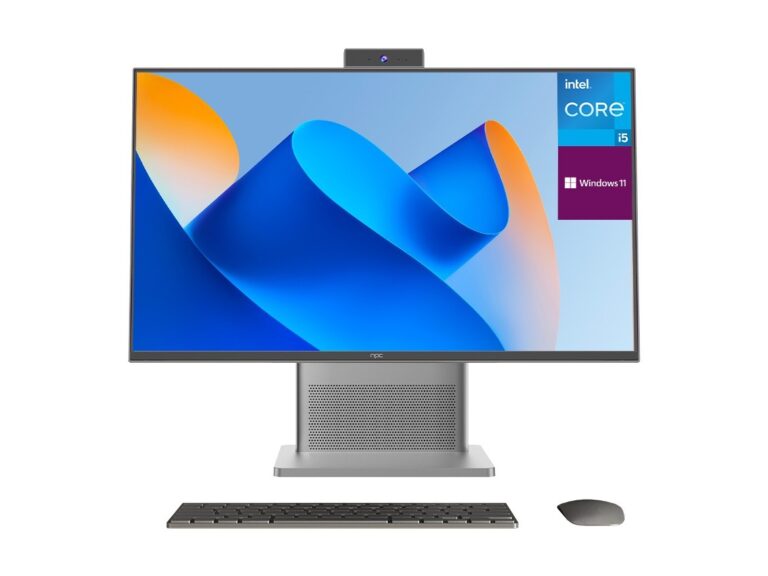
Design choices that keep the user central—measurable responsiveness, clear interaction flows, tight hardware integration and an honest update policy—produce systems that satisfy both engineers and buyers. When those elements align with reliable supply and documentation, the result is a usable, maintainable product you can depend on, much like the stable solutions provided by npc.
