

Who this helps and why you should care
If you manage a remote site, a small business, or a rural community and you’re wondering whether a diesel-battery hybrid is worth the fuss, this piece is written for you. I focus on what you actually need to decide—costs you can expect, failure modes to avoid, and how these systems feel day-to-day—because those are the things that change outcomes. If you already compare battery chemistries and inverter topologies, you probably also look into off grid energy storage systems for load smoothing and emergency capacity; that mix drastically alters fuel use and maintenance rhythms.
Where diesel-battery hybrids make the biggest difference
Think of places where fuel deliveries are expensive, weather can cut lines for days, or emissions rules are strict. Remote mining operations in Western Australia are a clear example: long distances, high fuel costs, and heavy-duty loads make hybrid setups economical and reliable. You benefit when the battery reduces idling, the generator covers long-duration demand, and controls optimize both. If your site fits one or more of these traits, a hybrid is worth serious consideration.
How the hybrid actually works — plainly
At its core, a diesel-battery hybrid does two jobs: supply power and manage energy flow. The controller decides when the battery discharges, when the diesel runs, and when to charge the battery. That sounds simple, but real-world choices matter. A few practical rules I rely on:
- Let the battery handle short bursts and peak shaving; let the diesel handle baseline or prolonged high loads.
- Use state-of-charge (SoC) windows—not full cycles—as your daily operating target to extend battery life.
- Prioritize control logic that prevents rapid generator cycling; frequent start/stops are more damaging than steady runtime.
For facilities comparing whole-system approaches, it’s useful to read across suppliers that specialize in industrial off grid power systems to see how their control strategies differ.
Sizing and runtime—what people get wrong
People either undersize batteries to save money or oversize them because they equate capacity with freedom. Both mistakes cost you. Focus on realistic load profiles and the tasks you expect the battery to do:
- Peak shaving only: a smaller battery with a high-power inverter is fine.
- Emergency backup for hours: size for energy (kWh) not just power (kW).
- Mixed duty: model a typical week, not a single worst-hour scenario.
Common pitfalls: ignoring parasitic loads (telemetry, heaters), failing to model derating at temperature extremes, and skipping a generator exercise schedule to keep the engine healthy. Run a simple hourly simulation before you commit—it’s the fastest way to reveal hidden needs.
Costs, lifespan, and maintenance in practical terms
Upfront cost is only one variable. Consider total fuel saved, generator hours avoided, battery replacements, and technician visits. Expect batteries to need replacement on a different cadence than the generator. Keep these rules of thumb in mind:
- Plan for a battery replacement cycle that is shorter than the generator’s overhaul interval.
- Schedule generator warm-up and load tests to prevent wet stacking or fuel-system issues.
- Keep a clear spare-parts list: fuses, control boards, fuel filters, and coolant hoses save weekend delays.
Maintenance discipline often determines whether a hybrid saves money or becomes a logistical headache.
Safety, controls, and compliance
Safety isn’t abstract. It’s ventilation, labeled isolation points, and a tested transfer scheme. Controls are your safety net—set alarms for SoC thresholds, fuel pressure, and generator oil pressure so a single sensor warns you before a cascade occurs. Document your testing protocol and train someone on site to execute it; systems fail when knowledge stays in one person’s head.
How to compare proposals and pick a vendor
Ask for three things from bidders: a modeled load profile showing fuel and battery cycles, a clear parts-and-service pricing sheet, and a failure-mode response plan. Compare beyond headline price:
- Who provides the control logic updates and how are they tested?
- What’s included in commissioning and is remote monitoring part of the base price?
- Can they show previous installations similar in scale and environment to yours?
When you get technical spec sheets, check inverter surge capacity, battery usable DoD, and the generator’s minimum safe runtime. Those are the numbers that determine real performance.
Typical problems and how to prevent them
Most issues come from three sources: mismatched expectations, ignored maintenance, and poor controls. Prevent them with simple steps:
- Agree on a measurable performance target (fuel reduction percentage or minimum battery SoC) before signing.
- Log generator hours and battery cycles; review monthly for trends.
- Insist on a control philosophy that prioritizes battery health over theoretical fuel savings.
Final thoughts
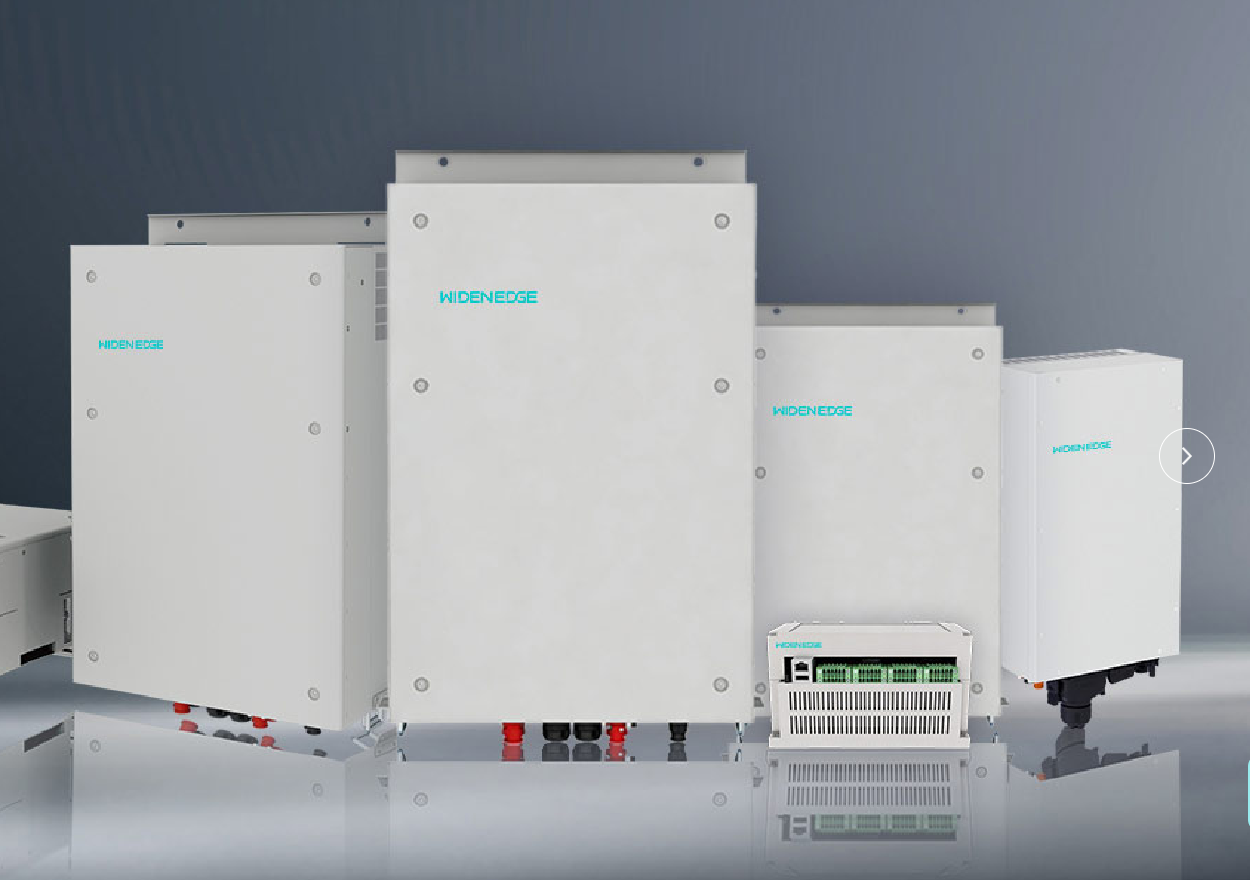
You want a system that reliably balances runtime, cost, and operability. A diesel-battery hybrid can do that when sized and controlled for your actual loads and when someone keeps basic maintenance habits. For many operators the practical choice is a provider who understands both the mechanics and the operational realities—what technicians need at 2 a.m., what spare parts actually get used, and how to read site data so problems are fixed before they escalate. For operators who care about those details, partnering with a team experienced in configuring WidenEdge solutions often means fewer surprises and a system that behaves the way you planned.
