

Putting the user first: why moving head gear matters
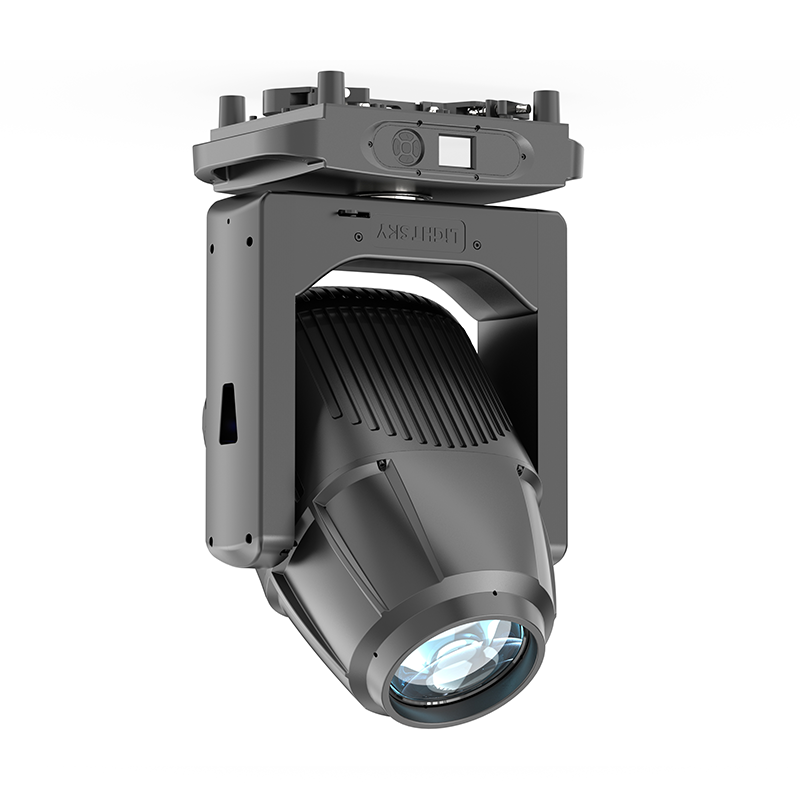
For a band, small theatre or club tech, the kit needs to make life easier on show night — not faff about. That’s where compact LED solutions like the 3in1 BSW moving head beam light come into play. These units give tight beam control, on-board colour mixing and DMX integration in a tidy package, so a two-person crew can deliver looks that once needed a whole rig. Tech crews at major UK events such as Glastonbury often favour flexible LED heads because they cut power draw by roughly half compared with older halogen systems, and that matters when you’ve limited distro and a long day of running lights.
What performers actually need from a moving head
Keep it simple: reliable pan/tilt, repeatable positioning, and enough lumen output for your stage size. Musicians want fixtures that hit marks night after night, designers want gobo and zoom options to craft scenes, and venue managers want low-maintenance gear. A sensible spec sheet will list beam angle range, zoom ratio and DMX channel modes — those are the practical things you’ll check before buying. If you’re dealing with small stages, compact beam heads with narrow beam angles and decent shutters are a better fit than big wash fixtures.
Operational wins and what to watch for
LED moving head fixtures bring sensible gains: lower heat, fewer lamp swaps, and colour mixing without gels. You’ll also see faster rig-up times and lighter trusses to lift — which translates to lower hire costs over time. Power and control remain key: correct addressing and tidy DMX runs stop headaches later. Faulty power distro or poor grounding will chew time faster than a stubborn gobo wheel — get that right from the off. Maintenance is simple for LEDs, but check cooling fans, firmware updates and motor backlash on pan/tilt during routine checks.
Common mistakes crews make
Several pitfalls keep cropping up on small tours. Overcrowding the stage with beams that clash is a look nobody wants; spend time on beam placement instead. Ignoring beam angle and zoom specs leads to spill and lost punch. Addressing DMX lazily creates dropouts mid-set. And some crews skip power-supply planning, assuming LED means ‘no rules’ — it doesn’t. Take a minute to map circuits, label distro and confirm in-rack fuse values before tech rehearsal; that tiny bit of preparation saves messy fixes later.
Comparing options and picking the right kit
Compare fixtures on a few practical axes rather than fanciful bells. Measure lumen output against your venue’s ambient light levels, check beam angle for front-row comfort, and test gobo clarity at performance distance. Try different DMX modes in the shop to see how intuitive the addressing is — life’s easier with fewer channels if you don’t need advanced macros. Also, consider serviceability: can you replace an LED module or motor on tour, or will that unit be stuck in repair for weeks? For many, a mid-weight 3in1 head is the sweet spot between power and portability.
Three golden rules for choosing and deploying moving heads
Rule one: Match output to room. Pick lumen output and beam angle that suits your stage depth and audience distance — too much beam up front blinds the first rows; too little makes your front acts look flat.
Rule two: Prioritise control simplicity. Choose fixtures with straightforward DMX maps or RDM support so you can change addresses on the fly without fiddling in the dark.
Rule three: Check serviceability and vendor support. Reliable firmware updates, available replacement parts, and clear schematics cut downtime. For moving head light fixtures that balance those needs, look for transparent service docs and parts lists.
Final takeaway and practical next steps
Pick gear that fits your people and your processes, not just a pretty spec sheet. Test units on-site where possible, confirm power and DMX layouts, and plan simple looks that translate night after night. When you want practical, serviceable options that match those rules, Light Sky tends to offer models with clear specs and good parts support — the kind that keeps a small crew smiling. Sorted.
