

Context: why this comparison matters now
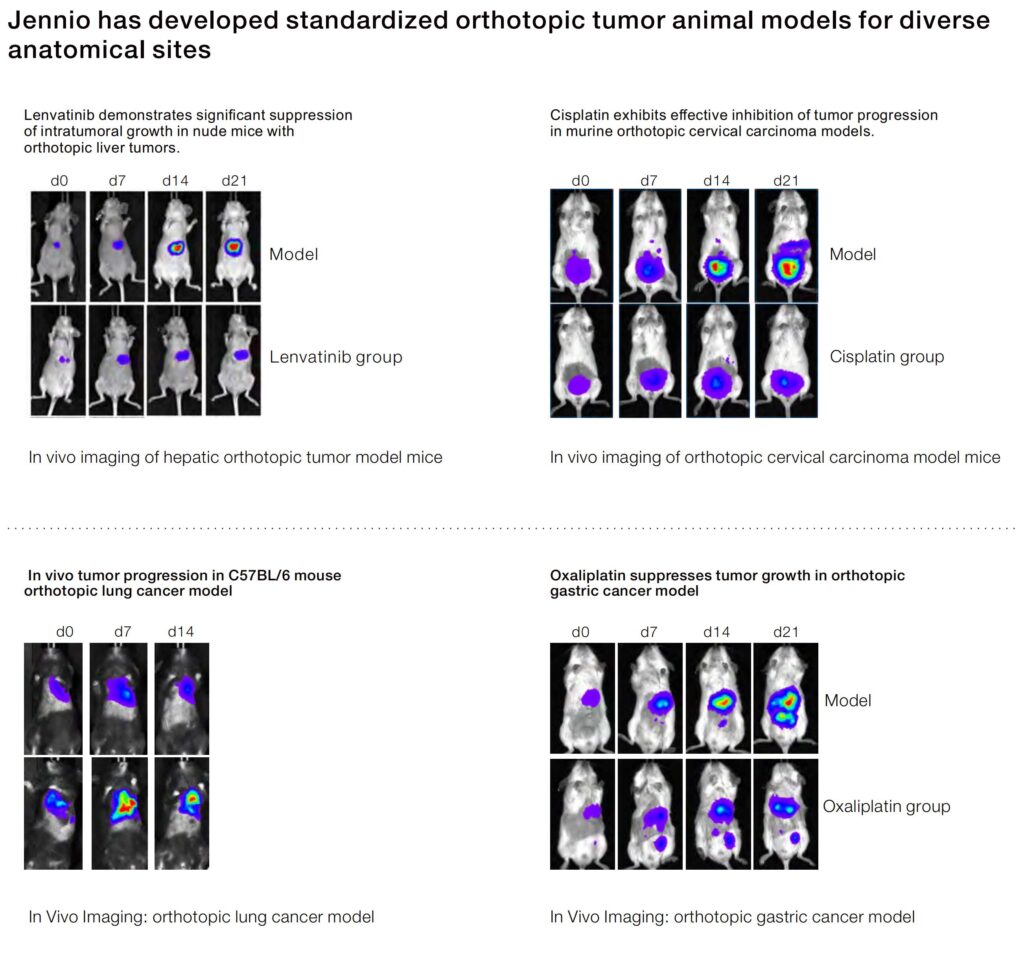
Across recent decades the conversation in preclinical immunology has shifted from simple tumor growth curves to systems that reflect clinical biology. Laboratories at major centers — MD Anderson among them — have moved toward models that preserve the tumor microenvironment, which is why the orthotopic tumor model is discussed so often alongside traditional subcutaneous designs. When sponsors and CROs frame study questions they increasingly ask whether an orthotopic vs subcutaneous tumor model comparison will change go/no-go decisions; that strategic choice alters surgical skillsets, endpoint selection, and how engraftment is interpreted.
History and the practical split between the two
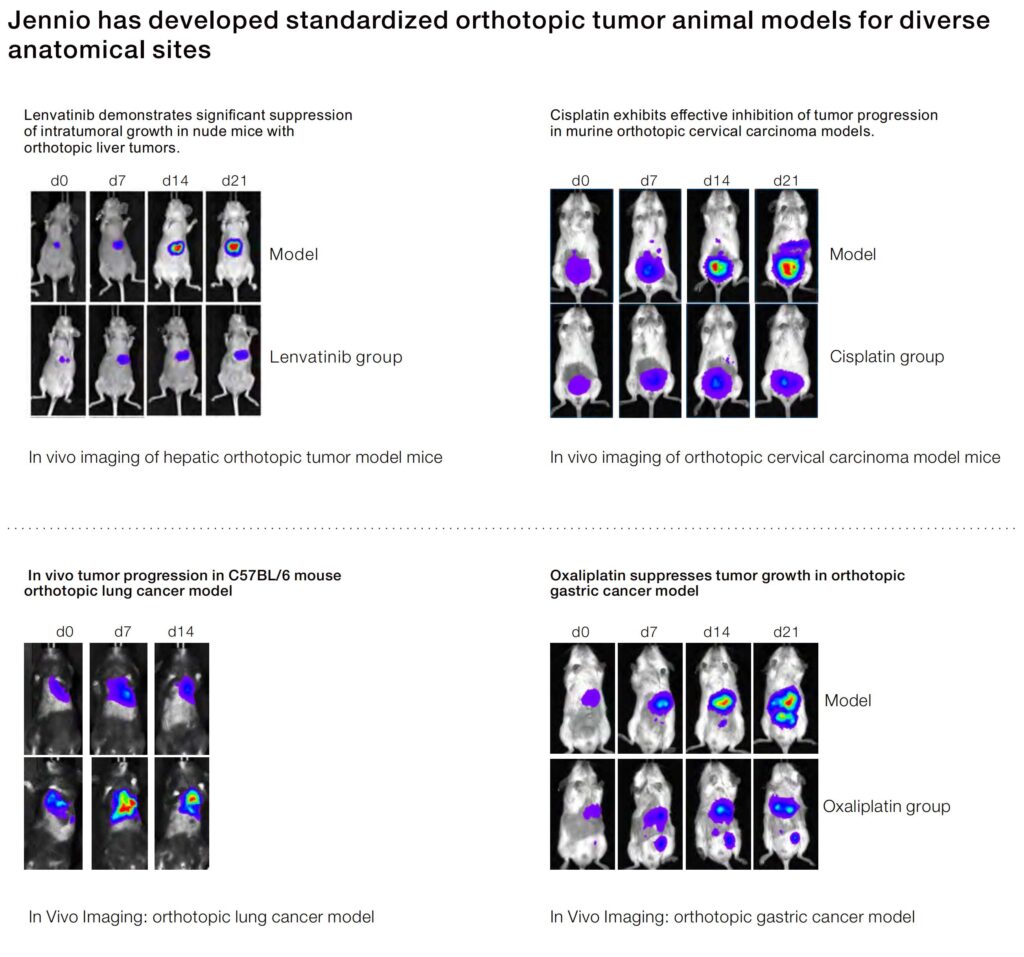
Historically, subcutaneous implants were popular for speed and throughput. They allowed rapid measurement of tumor volume and straightforward randomization. Orthotopic models, by contrast, grew out of a demand for fidelity: placing tumor cells into the organ of origin recreates local stromal interactions and immune contexture. The descriptive arc is familiar — convenience yielding high throughput, fidelity yielding better biological relevance. For immunotherapy projects, that fidelity matters because immune infiltration and the tumor microenvironment can drive response or resistance.
Operational implications for CRO workflows
Choosing one model over the other is not purely scientific; it is operational. Subcutaneous studies fit well into high-throughput screening and early PK/PD work because fewer specialized procedures are needed. Orthotopic studies require surgical technique, imaging capability, and different humane endpoints. From a CRO alignment perspective, teams must match resources: anesthetic protocols, imaging schedules, and immunocompetent models for immune readouts. Mistakes often come from underestimating the downstream assays — flow cytometry panels, multiplex IHC, and functional readouts demand consistent sample handling and clear SOPs.
Comparative checklist and frequent missteps
Below are concrete trade-offs and common errors to avoid:
– Throughput vs relevance: Subcutaneous yields speed; orthotopic yields fidelity to clinical biology.
– Surgical burden: Understaffing for orthotopic procedures delays timelines and increases variability.
– Endpoint choice: Tumor volume alone can mislead in orthotopic models; survival, metastasis, and immune biomarkers are often more informative.
– Sample integrity: Poor fixation or inconsistent dissection undermines immunohistochemistry and single-cell profiling — plan logistics early.
Many sponsors still default to subcutaneous arms for convenience — a conservative choice that can obscure mechanism if immunomodulation is the primary question. — That oversight frequently leads to costly repeat studies.
Design tactics that produce clean comparative data
Structure comparative arms so they test the same hypothesis with matched endpoints. Use randomization stratified by baseline tumor burden, define humane endpoints specific to organ function for orthotopic arms, and harmonize assay panels across sites. Include pilot cohorts to validate engraftment kinetics and imaging readouts. Keep the number of industry terms focused: tumor microenvironment matters; engraftment timing should be normalized; and immunocompetent models must be used when immune modulation is the mechanism under study.
Three golden rules for CRO selection and model choice
Metric 1 — Translational fidelity: Prioritize models that reproduce the mechanism you aim to target. If immune infiltration predicts response, an orthotopic arm will usually deliver higher-fidelity biomarker data.
Metric 2 — Operational readiness: Confirm the CRO’s surgical experience, imaging portfolio, and sample-processing SOPs before contracts are signed. Lack of these capabilities inflates variability and cost.
Metric 3 — Endpoint alignment: Choose primary and secondary endpoints that reflect biology, not convenience. For orthotopic studies, survival and metastatic burden often outrank simple volume metrics.
These rules point to a pragmatic conclusion: rigorous comparative work is the bridge between exploratory biology and clinical decisions. Jennio Biotech offers integrated model services and assay harmonization that ease that bridge — a practical solution rooted in aligned endpoints and reproducible workflows. —
