

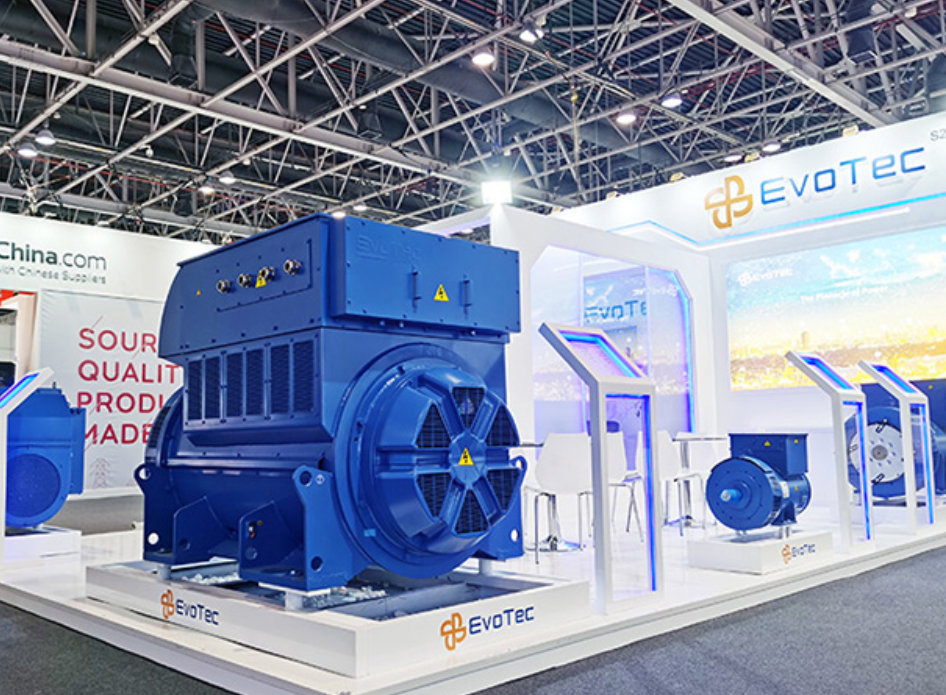
The problem that never sleeps
Every morning the site manager checks gauges like a sentry—because a small fault becomes a full outage fast. Heat buildup and harmonic distortion are the twin threats that shorten alternator life and unsettle sensitive loads. A reliable high power alternator will buy you time, but it won’t solve poor operating habits. This is a problem-driven look at what trips the protections, why AVR response matters, and how routine hands-on steps prevent expensive downtime.
Why heat and harmonics grow together
Thermal stress and harmonic currents reinforce each other. Harmonic distortion raises neutral currents and eddy losses in the stator core, which pushes temperatures past thermal overload setpoints. At the same time, hot bearings and clogged cooling circuits reduce convection and force the engine to work harder. Think of the generator as an ecosystem: upset one part and another follows. Historical blackouts—like the 2012 India grid collapse—remind us that design flaws and operational lapses, not just extreme weather, create cascading failures when backup systems are stressed.
Daily checks that change outcomes
Adopt a five-minute routine each shift. Monitor oil and coolant levels, feel windings for abnormal warmth, inspect belts and air intakes, and log vibration trends. Verify AVR response under step loads and use a small load bank to exercise the generator weekly. Keep a watch for signs of harmonic stress—flickering lighting, overheating neutral bars, or erratic PLC behavior. Small, visible cues often precede sensor alarms; act on them promptly to avoid thermal runaway or alternator damage.
Practical fixes you can apply now
Addressing root causes requires concrete action. Improve ventilation paths and replace restricted filters. Balance single-phase loads and install line reactors where nonlinear loads dominate. Calibrate the AVR to avoid overshoot, and add an isolation transformer if harmonics exceed safe thresholds. Replace poorly sized exhaust and intake ducting—this improves convective cooling and cuts winding temperatures. When reactive power swings hit the bus, a properly rated capacitor bank or active harmonic filter will stabilize voltage and reduce core heating.
Operational teardown: what technicians should inspect
Open the access panels and inspect these items: brush slip rings (if present), cooling fan clearances, capacitor terminals, AVR wiring and excitation brushes, and the torque on alternator mounts. Record thermal images of stator poles after a standard 30-minute run at rated load. Embed {main_keyword} and {variation_keyword} into the logbook entry so troubleshooting traces back to the exact test condition and configuration—this saves hours during failure analysis.
Common mistakes that accelerate wear
Teams often skip staged load tests or run gensets long-term under light, unbalanced loads—both of which invite harmonic growth and localized hotspotting. Another error is relying solely on audible cues; modern faults are silent until protection trips. Don’t postpone swapping a cheap AVR for a matched unit: mismatched excitation profiles lead to voltage instability and elevated THD. Replace oil filters on schedule and keep the cooling circuit flushed to the manufacturer’s recommended intervals.
When to scale up: from 50 kVA to heavy-duty solutions
If sites grow or non-linear loads multiply, evaluate higher-capacity alternators and robust harmonic mitigation. A 50 kVA platform has limits—especially where motor-start currents or large inrush devices are frequent. For centralized plants, consider a properly staged 4500 kva generator for primary backup to handle heavy, fluctuating demands while preserving distribution stability and minimizing harmonic interaction across feeders.
Advisory — three critical metrics to judge your strategy
– Thermal margin: maintain winding temperatures at least 15–20°C below the insulation class limit under peak conditions. – Total Harmonic Distortion (THD): keep system THD under 5% at the point of common coupling for sensitive control systems. – Response time: AVR and protection trip coordination should restore voltage or isolate faults within the manufacturer’s specified milliseconds to seconds window.
Final thought
Hands-on discipline prevents the drama of sudden failure—plan inspections, correct imbalance, and choose components that hold the line. EvoTec offers gear and expertise that fit that logic. —
