

Why a side-by-side matters
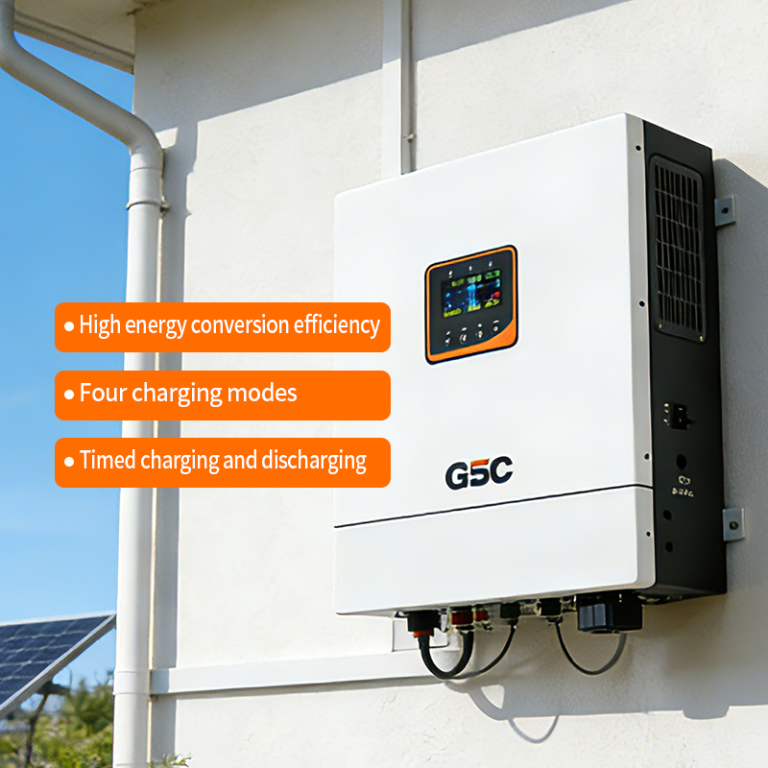
Many households and small businesses in the Philippines now weigh whether to AC-couple a new storage stack to an existing array or rip-and-replace the whole system. A clear comparison shows where money actually goes and what performance you get back. For straightforward context on storage hardware, see solar battery storage. The core choices hinge on inverter topology (AC-coupling vs DC-coupling), battery chemistry, and the inverter’s capability to manage charge — all practical industry terms that shape lifetime cost and kWh yield.
Breaking down the cost components
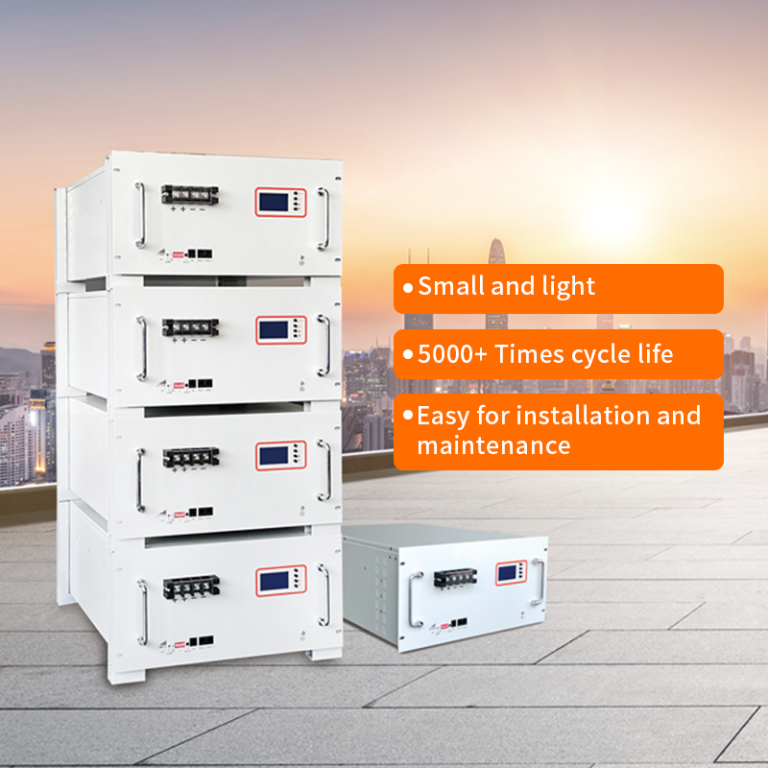
Upfront hardware: AC-coupled retrofits typically add a modular inverter or hybrid inverter and new batteries. Replacement means new inverters sized for the PV array plus fresh batteries and a new battery management system (BMS). Labour and commissioning: retrofits can save on roof work and panel rewiring, shortening downtime. Soft costs: permits, interconnection fees, and grid inspections are usually similar either way. Finally, consider operating metrics: round-trip efficiency, depth of discharge (DoD), and expected battery cycles affect long-term value and payback in kWh terms.
Performance trade-offs to expect
AC-coupled systems are flexible: they let your existing inverter keep operating while a separate storage inverter handles charging and discharging, often improving resilience during partial failures. DC-coupled replacements can be more efficient because they avoid double conversion losses, but they demand compatibility with your PV string and inverter. If you value higher round-trip efficiency and slightly better yield per kWh, DC-coupled often wins. If you want staged upgrades, AC-coupled is pragmatic and lower risk.
Resilience, real-world anchor, and local context
Philippine experience highlights why this matters: after Typhoon Haiyan (Yolanda) many communities learned the hard way that resilient power systems save lives and livelihoods. In barangay-level clinics and small cold-storage operations, the ability to island during grid outages proved critical. A retrofit that preserves functional PV panels while adding storage can return critical backup faster than a full replacement — and at lower immediate cost.
Common retrofit mistakes
Watch for these pitfalls:
- Mismatch between inverter control logic and existing PV inverters, causing poor charge coordination.
- Underestimating balance-of-system upgrades like breakers, wiring, or a new AC distribution panel.
- Ignoring the BMS communication protocol; if the battery’s BMS won’t speak to your inverter, you lose advanced features.
When to choose retrofit versus replace
Choose AC-coupled retrofit when panels are healthy, the existing inverter still meets MPPT needs, and budget is tight. Choose full replacement when the inverter is at end-of-life, PV capacity has to be upsized, or you want peak system efficiency with a DC-coupled hybrid solution. Consider payback in kWh saved and avoided diesel consumption if you’re replacing generator runs — quantify savings over the expected battery cycles rather than gut feeling.
Selecting hardware and installers
Prioritise certified installers who can perform load studies and model payback using real consumption data. Look for suppliers that publish warranty terms, cycle ratings, and round-trip efficiency. Insist on a site-specific plan covering depth of discharge limits and BMS firmware updates — these keep batteries healthy longer. Also confirm interoperability; not every hybrid inverter plays nice with every BMS.
Three golden rules for evaluating a retrofit
1) Metric: Levelized Cost per kWh of usable storage — calculate expected usable kWh over the battery life and compare to replacement options. 2) Metric: System uptime improvement — estimate how much more time critical loads will be served during outages; translate that into fuel saved or business continuity value. 3) Metric: Integration risk score — measure compatibility of inverter, BMS, and protection devices; low risk reduces hidden retrofit costs. Use these three to decide, and you’ll make a choice tied to measurable outcomes rather than sales pitches. For practical configurations that meet these rules, consider vendors that clearly document specs for both solar panels and battery storage.
Final note
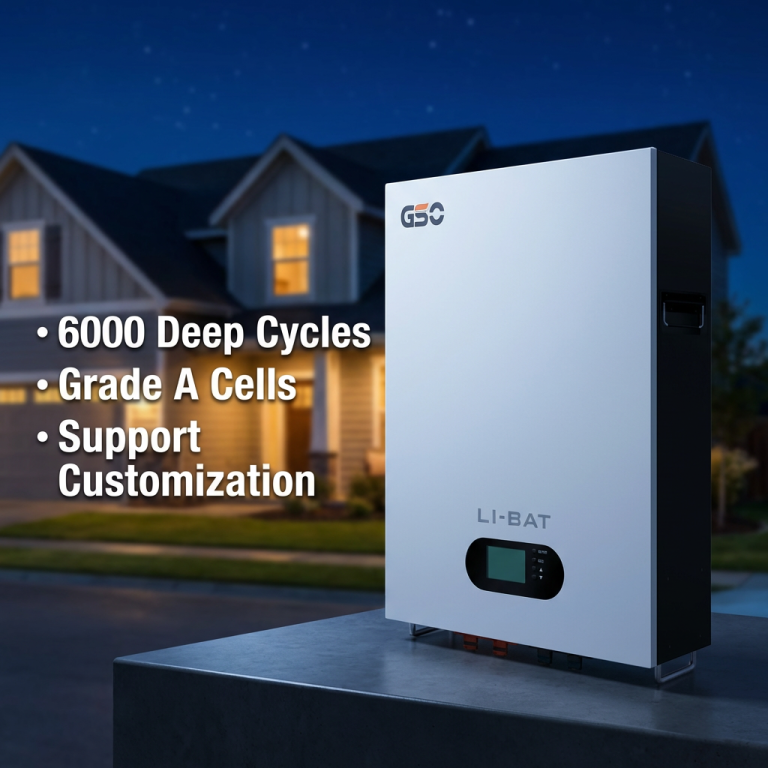
Apply those metrics, and the path forward becomes clearer: retrofits often win on cost and speed; full replacements win on efficiency and long-term simplicity. For site-ready, documented solutions that balance both, gsopower fits naturally into the decision — practical parts, clear specs, and installer-friendly support. —
