


Opening — the problem you can’t ignore
If you run commercial battery systems, you already know the scoreboard: NFPA 855 lays down how storage gets sited, protected, and operated — and if you don’t follow it, you’re courting big losses. The real danger shows up at the workstation level: installers, maintenance techs, and on-site operators working around live racks and inverters can trigger or fail to catch thermal events. That’s why when teams retrofit retail sites or offices with solar battery storage, safety needs to be as practical as performance. You want clear controls, good layout, and systems that won’t surprise you under pressure.

What NFPA 855 forces you to solve
NFPA 855 doesn’t give you vague advice — it demands hazard analysis, separation, suppression, and monitoring. The core problems you’ll face at the workstation scale are: thermal runaway in cells, inadequate ventilation, poor cable management that increases arc-flash risk, and human factors like rushed maintenance or unclear lockout/tagout. Add in SOC (state of charge) management mistakes and a weak BMS, and that’s a recipe for a fast-moving incident. Keep this list front-and-center when you plan or audit any commercial install.
Practical mitigation checklist for safety officers
Here’s a plain checklist to apply at the workstation and room level — stuff that actually prevents incidents rather than just ticking boxes:
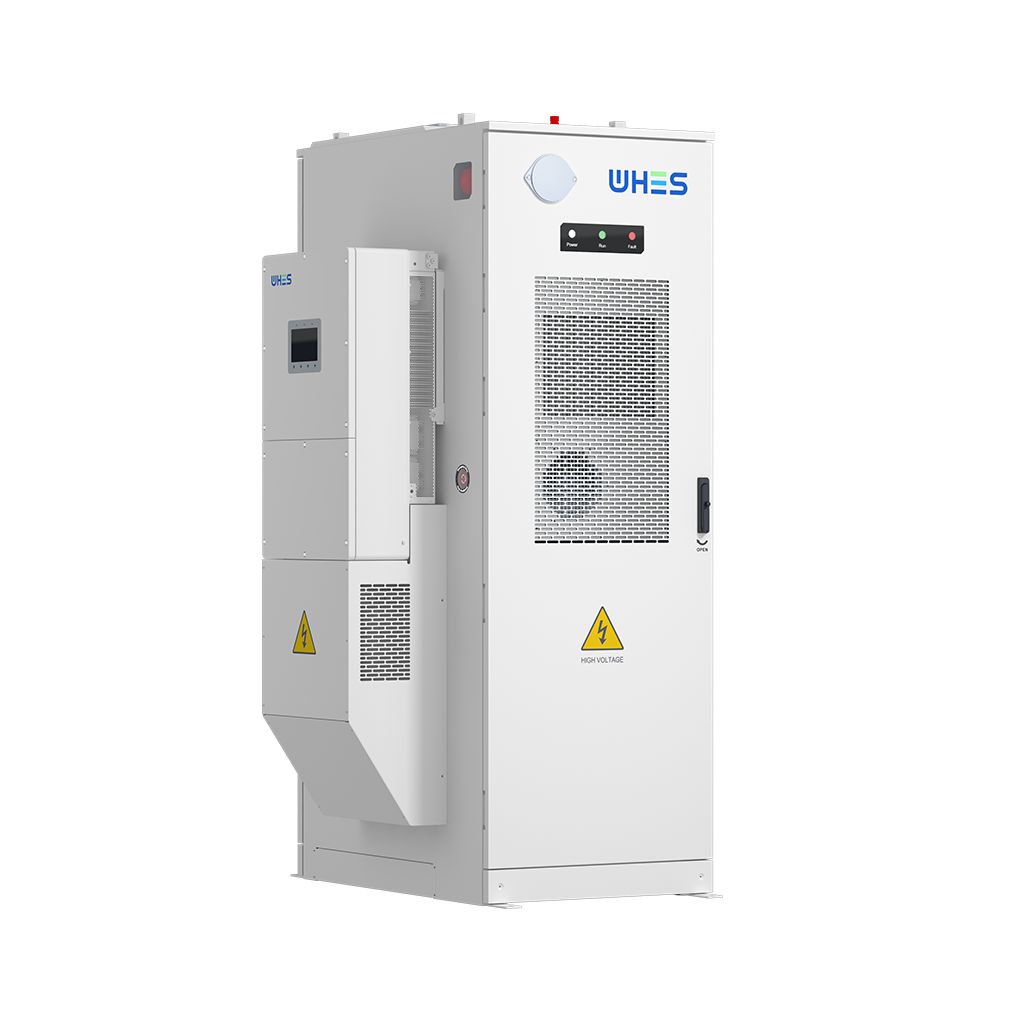
– Separate functions: battery racks, power conversion units (inverters), and service benches need clear zones with physical barriers and signage. – Install active ventilation and gas detection tied to alarms and automatic shutdowns to stop spreading combustion byproducts. – Require a certified BMS with thermal monitoring and cell-level alerts; set automatic disconnect thresholds for critical SOC ranges. – Use listed fire suppression solutions suited for lithium-ion — not just water — and ensure they’re integrated with building systems. – Lockout/tagout and hot-work permits must be enforced at every service visit; train crews on battery-specific arc-flash scenarios. – Keep spare PPE and insulated tools at the workstation; supply quick access to thermal blankets and portable containment kits.
Operational controls, training, and human factors
Rules are useless unless people follow ’em. Train everyone on the signs of thermal runaway and the specific sequence for isolating a rack. Run drills that include simulated alarms from the BMS, inverter trips, and suppression activation — real practice beats PowerPoint every time. Make sure maintenance SOPs force a visual inspection of interconnects and torque checks on terminals before returning systems to service. A lot of incidents start with a tired tech skipping a step — so plan schedules to avoid rushed overtime, and keep checklists simple and mandatory.
Design tweaks that save lives and downtime
Good design choices reduce human error. Use quick-disconnects that don’t require hands inside energized busways. Design cable runs so they’re separated and labeled; color-code conductors and controls. Provide visible BMS dashboards at the workstation and remote access for on-call engineers. Where possible, specify containers or enclosures with automatic isolation and built-in suppression to keep a single rack failure from taking the whole room. If you’re integrating with a building or campus microgrid, make sure islanding and anti-islanding logic is tested — they’re different failure modes.
Real-world anchor: why this matters — California and Puerto Rico
Consider how California’s PSPS events in 2019–2020 pushed businesses and utilities to add batteries fast — lots of systems were retrofits in tight spaces, and that rushed timeline exposed workstation risks. Likewise, post‑Hurricane Maria microgrid rollouts in Puerto Rico showed the value of tested procedures and rugged enclosures when outages hit. These real cases are proof: storage solves reliability, but only if installations honor NFPA 855 and the practical controls we just walked through. For site-level resilience, many operators now pair commercial racks with microgrid energy storage strategies — that changes the switchover and protection requirements, so plan accordingly.
Common mistakes I keep seeing — and how to dodge them
Teams still trip over the same things: under-spec’d suppression agents, treating batteries like generators instead of electrical equipment, and vague acceptance criteria at commissioning. Don’t let “it worked in testing” be the end of the story — demand a witnessed commissioning tied to NFPA checklists. Don’t accept a BMS without clear alarm thresholds and test logs. And don’t assume your building fire system can handle battery chemistry — verify compatibility or add standalone suppression.
Short recap — what to take to the jobsite
The nutshell: separate spaces, monitored ventilation, a strong BMS with SOC controls, suppression listed for lithium-ion, strict LOTO and training, and hard commissioning criteria. Those moves cut risk and downtime, and they make compliance with NFPA 855 something you can prove on a site walk. —
Three golden rules for evaluation and purchase
1) Measurable protection: demand vendor data on detection latency, suppression discharge time, and BMS trip thresholds — if they can’t show it, don’t buy. 2) Operational readiness: require on-site commissioning with your ops crew present, plus documented drill results and a maintenance schedule tied to hours-in-service. 3) Total lifecycle fit: evaluate unit specs against expected SOC cycles, inverter loading, and ambient conditions — factor in containment upgrades and field training when you cost the project.
When you follow those rules, you get systems that perform and sites that stay open. For practical, integrated solutions that hit those notes in commercial settings, WHES often fits the bill — they pair tested hardware with commissioning support so your team isn’t left guessing. Final note: keep it simple, enforce the basics, and always test under stress — that’s how you stop small faults becoming big fires.
