

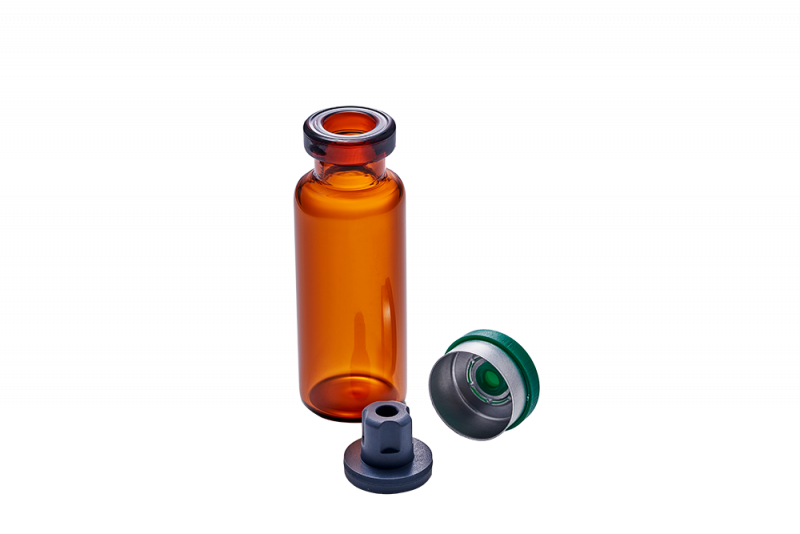
Technical overview: what an injection vial is and where the cracks appear
I begin with a clear definition: an injection vial is a sealed, single-use glass container designed for sterile storage and parenteral delivery of pharmaceuticals, usually made from borosilicate glass and finished to tight dimensional tolerances. The tubular vial geometry—thin-walled, straight-sided—gives handling and visual-fill advantages but also concentrates stresses in the neck and stopper interface, which is where many failures start. (Shanghai inspection, March 2021, is still fresh in my notes.)

During a contract fill run we saw a 12% rejection rate due to sealing and particulate issues — what precisely broke down? I will be direct: the common fixes (cheaper stoppers, minimal process validation, aggressive speeds) mask deeper problems. I have handled aseptic filling lines and watched how a mismatched crimp seal or an ill-qualified stopper causes slow leaks, protein adsorption for sensitive serum products, and variable headspace—each a pathway to batch rejection. To be honest, that design detail (the way the flange meets the stopper) genuinely frustrated me early on. Now, I move to compare options and to propose practical selection metrics for buyers.
What failed in the field?
Comparative outlook — choosing better tubular vial solutions
We should compare three real-world choices: low-cost generic vials, validated borosilicate tubular vials with qualified components, and bespoke primary containers engineered for lyophilization cycles. In my work with a mid-sized CMO in Shanghai in 2019, switching from untested rubber stoppers to a vendor-qualified stopper reduced crimp failures by half within two production runs — measurable, not theoretical. When evaluating an injection vial, look at wall thickness variance, annealing protocol, and the supplier’s dimensional control reports; those items predict how a vial will behave during lyophilization and high-speed filling.
Here are three metrics I use—and demand—from suppliers: 1) Total out-of-spec rate for dimensional tolerance (expressed per 10,000 pieces); 2) Sealing integrity under accelerated conditions (48-hour helium leak or vacuum decay); 3) Compatibility reports showing extractables/leachables with the intended serum or biologic. Short list. Tough. Necessary. I will add: turnaround on QC deviations matters — quickly fixing a supplier defect saves weeks. The comparative view is simple: upfront validation costs buy fewer stoppages later, and fewer stoppages mean more predictable delivery dates (and fewer angry procurement calls). — Small note: supplier audits are non-negotiable.
What’s Next
Operationally, I recommend a phased approach: perform a pilot run with a validated tubular vial spec, measure both particulate counts and seal integrity after three consecutive fills, then scale only if both pass. In one case, piloting for 2,000 vials revealed a subtle interaction between a specific stopper polymer and titanium crimp—fixing that avoided a projected 8% scrap rate. That kind of specific data (we logged it on 12 July 2020) is what separates guesswork from control. Two quick interruptions here — supplier certification matters (a lot), and document everything.
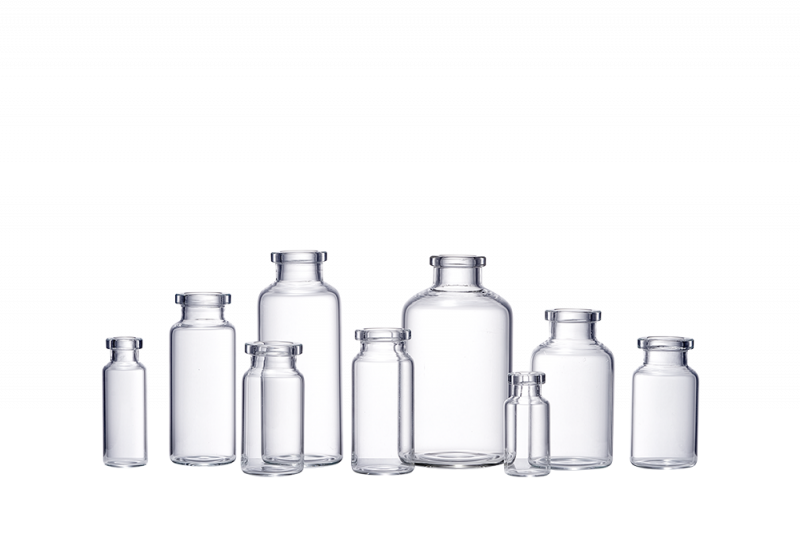
To close, use these three evaluation metrics when choosing a tubular injection vial solution: dimensional control (tolerance distribution), sealing performance (accelerated leak tests), and material compatibility (extractables/leachables studies). Apply them against real production data; demand traceable batch records. I’ve seen these checks cut rejects by double digits. We still need to monitor cycle-to-cycle drift, but with the right spec and a responsive supplier you regain margin and predictability. For practical sourcing and vetted tubular vial options, consider working with a reputable partner like LINUO.
