

Where common approaches stumble
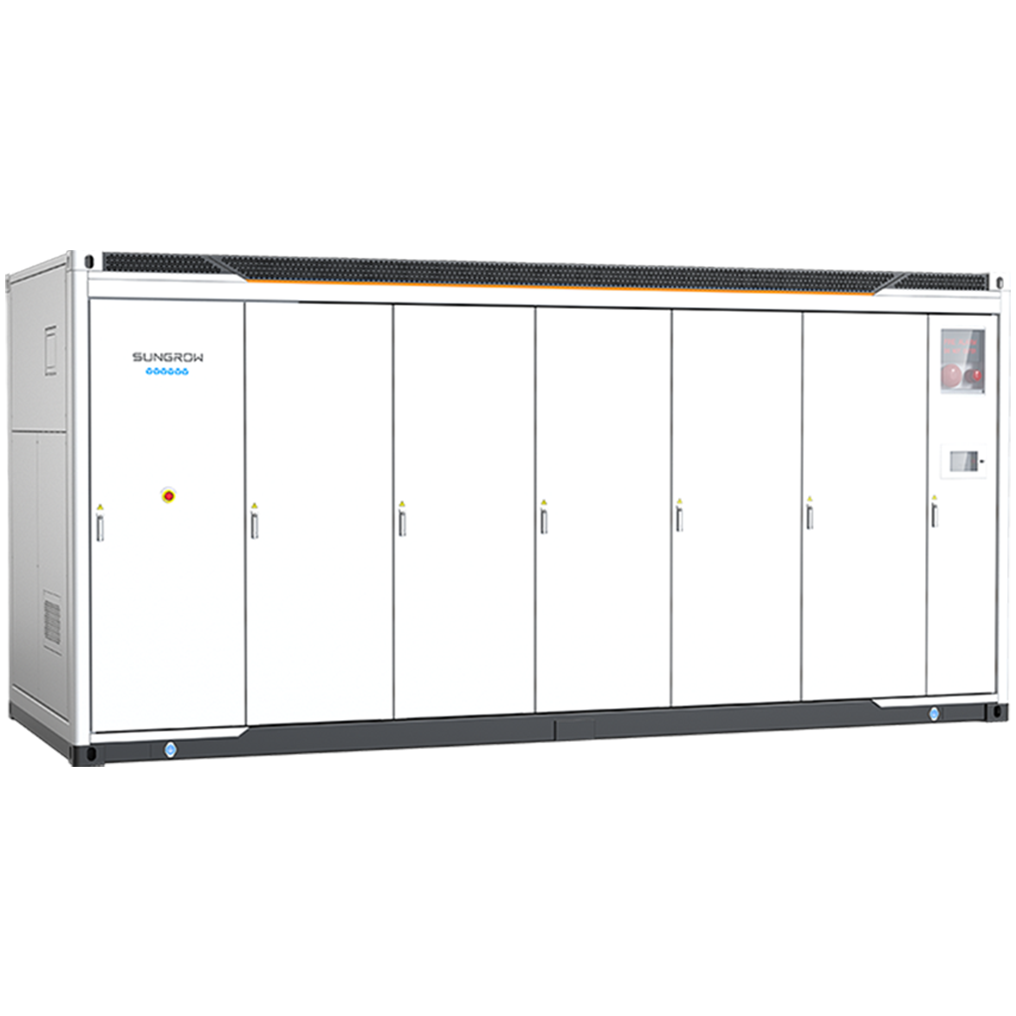
I vividly recall a late-2019 site visit to a coastal substation where a short storm took down nearby generation and left operators scrambling—an experience that still shapes how I judge design choices. Early on I started recommending utility scale energy storage because I’d seen the difference it can make in stabilising a weak grid. In one project the utility scale battery storage system (a 50 MW / 200 MWh lithium‑ion array) cut peak ramping needs by 35% the first month it ran—so why do so many projects still underperform on reliability and life-cycle cost? (Yes, I mean the projects with undersized inverters and poorly tuned battery management systems.)
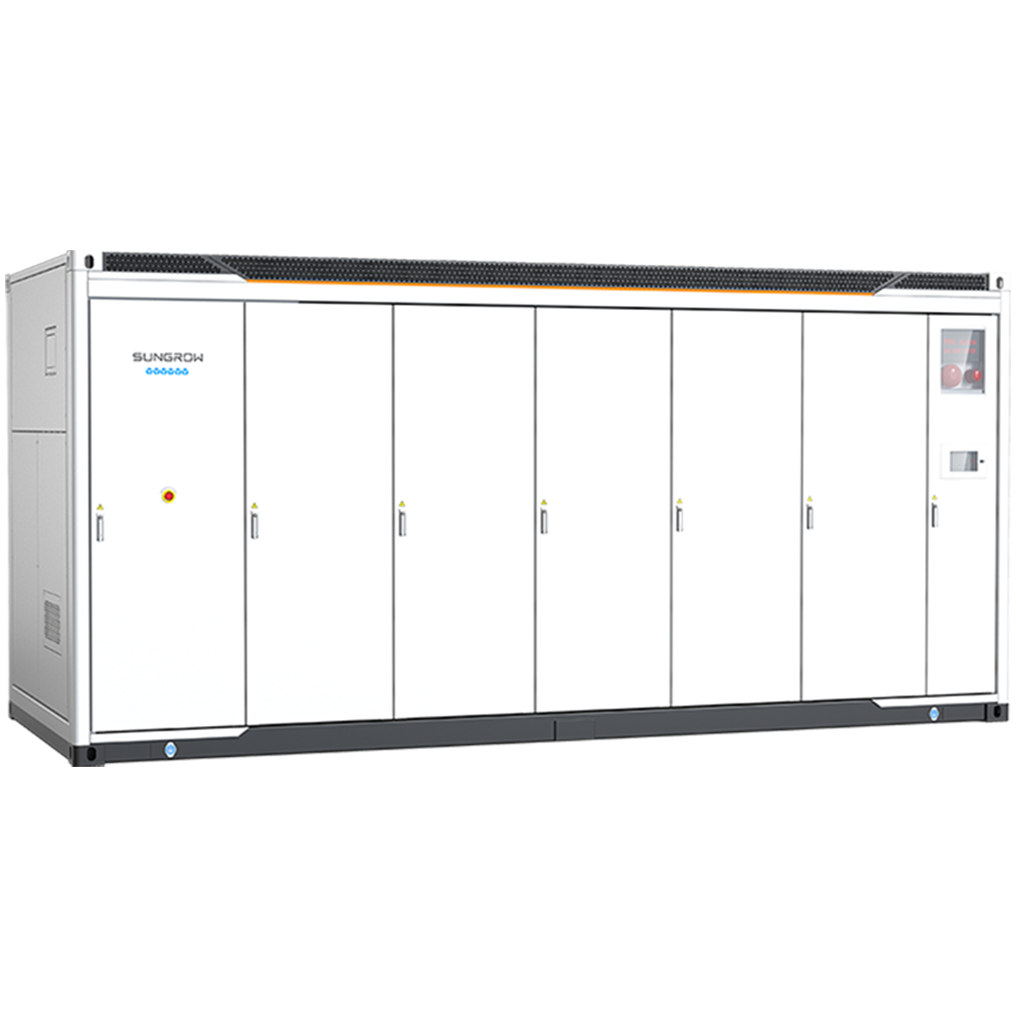
I’ve learned that the deeper problem isn’t a single component; it’s the combination of assumptions. Teams often treat state-of-charge limits, thermal management, and lifecycle degradation as separate issues, when they interact in ways that shrink usable MWh and increase O&M costs. I’ve seen a design where a conservative SOC window left 20% of stored energy unusable during demand peaks—on paper that looked safe, in practice it meant revenue loss. No jargon here—just hard numbers and late nights on site. Let’s move from what went wrong to practical choices that actually change outcomes.
Comparative paths forward
What’s Next
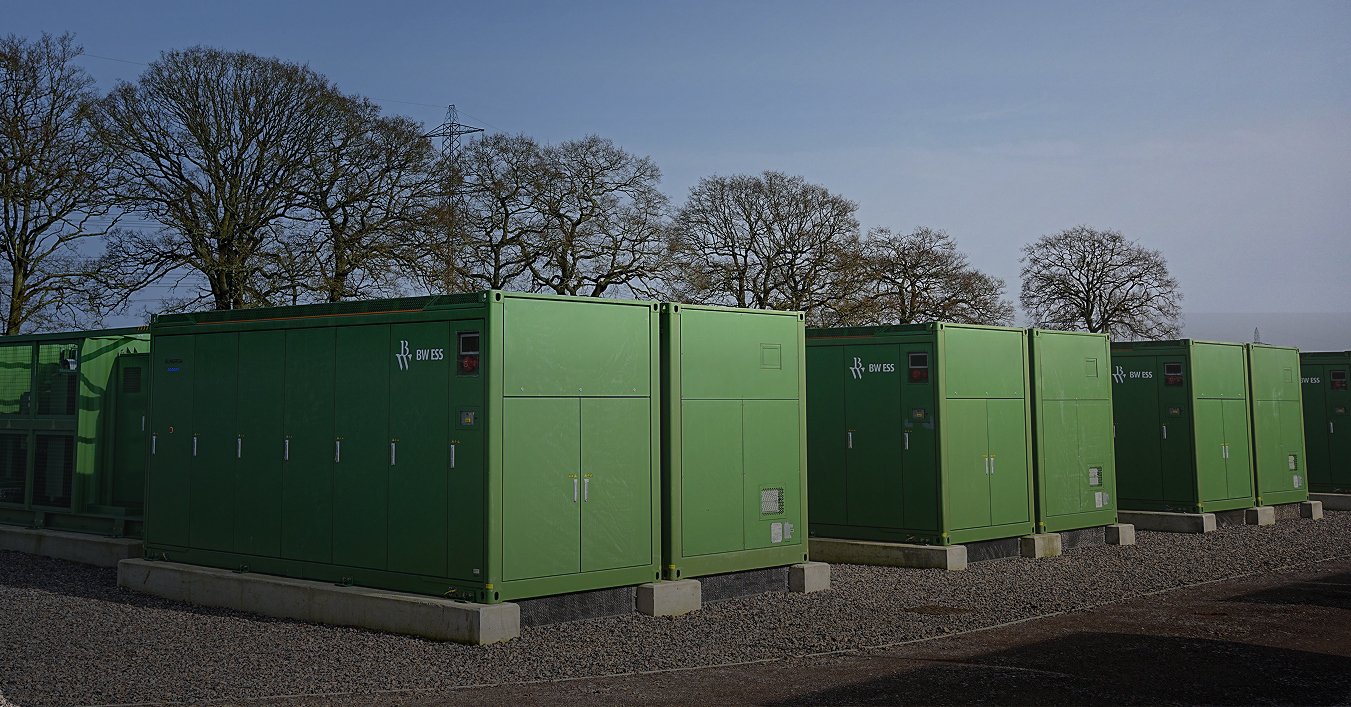
When I compare paths, I ask: which option keeps usable capacity high, extends cycle life, and supports grid services like frequency regulation without constant interventions? The clearest wins come from pairing robust lithium‑ion chemistry with active BMS algorithms and modular inverter architectures. In a 2020 retrofit I led in Alentejo, Portugal, swapping to modular inverters and adding DC‑coupling reduced heat hotspots and recovered roughly 8 MWh of usable capacity across the array—measured, not estimated. Those tweaks weren’t flashy, but they cut expected replacement costs by a measurable percent over ten years.
Technically speaking, you want designs that balance power (MW) and energy (MWh) for the intended market—frequency response needs low latency, capacity markets need sustained discharge. I’ve run models where a unit optimised for frequency regulation earned tidy short‑term returns but depleted cells faster; the comparative alternative (slower dispatch, deeper SOC control) gave steadier income and longer life. So: think dispatch profile, cell chemistry, thermal run, inverter sizing, and O&M strategy together—no single silver bullet. And hey, no worries if this sounds complex; I walk project teams through each metric—step by step.
Three metrics I now insist on when evaluating proposals: round‑trip efficiency and its decline over time, depth‑of‑discharge policies expressed as usable MWh, and a transparent failure/replacement schedule tied to calendar age and cycle count. These tell you how a system will behave financially and operationally—compare them side by side. I’ll add one abrupt note—there will be surprises. Plan contingencies. Finally, if you want a vendor example that balances engineering and practical deployment, check utility scale energy storage offerings from established suppliers; I’ve collaborated with teams that delivered clean commissioning results on schedule. For a quick recap: measure what matters, demand transparent models, and prioritise modularity. —sungrow
