

A Common Scenario: The Struggles We Face
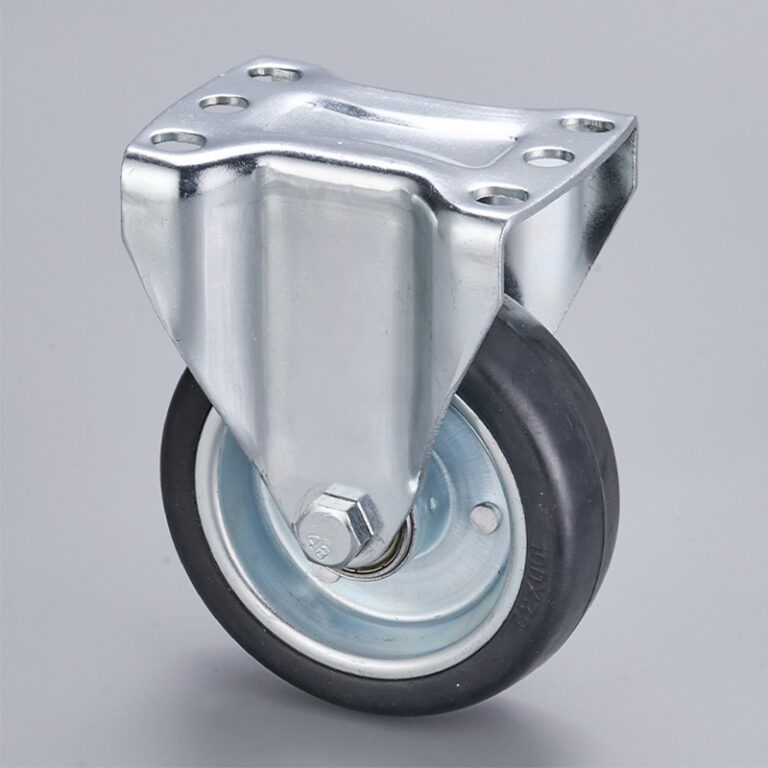
Imagine this: you’re at a busy warehouse in Lagos, bustling with activity, and suddenly, you witness a loaded cart struggling to roll due to poor-quality wheels. According to a recent survey, nearly 45% of logistics managers cite wheel-related issues as a major efficiency killer. It’s a real pain in the neck! Often overlooked, rubber wheel casters play a crucial role in minimizing these disruptions. As we maneuver through daily tasks, the importance of having proper rubber wheels becomes incredibly clear.
Flaws in Traditional Solutions
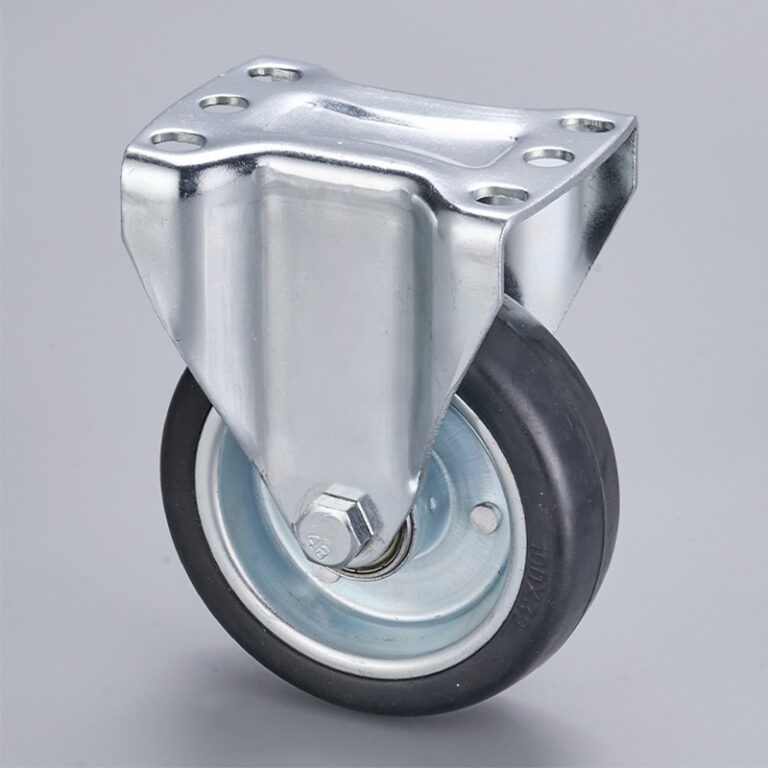
I’ve seen it too often; businesses invest in heavy-duty carts, yet the wheels are subpar. This mismatch results in premature wear and tear. In my years dealing with different industries, I realized that many teams overlook the specific weight capacity and load ratings of their casters. The developers often assume that a one-size-fits-all solution will work, but that’s the wrong approach. A rubber wheel caster that can handle 220 lbs doesn’t mean it’ll last long under constant heavy use! They often struggle to glide over rough surfaces, further contributing to inefficiencies. I always advocate that investing in high-quality casters returns dividends in durability and performance. Who wouldn’t want that? Trust me; it makes all the difference.
What Should You Look For?
When selecting your rubber wheel casters, consider factors like load capacity, material quality, and wheel diameter. These components determine how well the wheels will perform in real-world applications. If a caster is made from inferior materials, it will compromise maneuverability and could even damage your floors! Over the years, I’ve learned the hard way that investing in quality rubber wheels—specifically designed for industrial use—can enhance both productivity and safety. It’s a simple equation.
Comparative Insights: Rubber Wheel Casters vs. Traditional Wheels
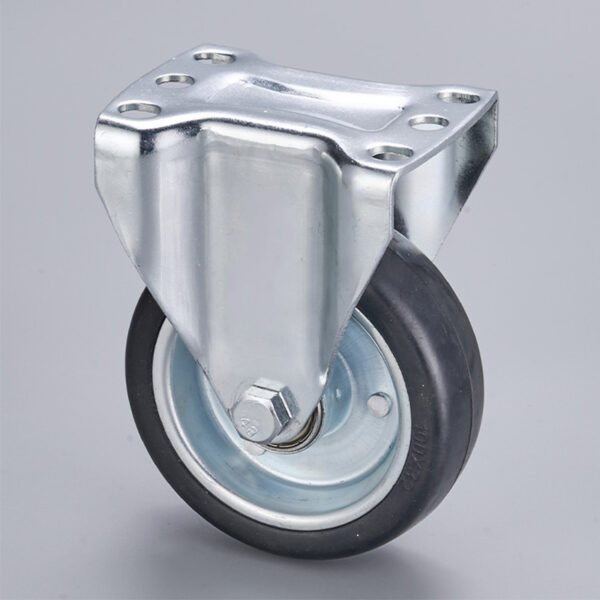
Looking ahead, let’s compare the performance of rubber wheel casters against traditional metal wheels. Sure, metal may look tough, but they have a tendency to scratch surfaces and can become too slippery on certain terrains. Rubber wheels, on the other hand, offer greater grip and shock absorption, making them ideal for both delicate and heavyweight equipment. Have you ever tried pushing a cart with metal wheels on a smooth surface? It’s like trying to start a car on a flat tire—frustrating!
Real-world Impact: Why Rubber Wheel Casters Matter
Insights gathered from users reveal that workplaces using quality rubber wheel casters report significantly fewer disruptions in workflow. Think about it; these wheels can glide over obstacles without getting stuck, saving time and reducing frustration. Additionally, they operate silently, which is a bonus in environments where noise control is necessary. I often point out that choosing the right rubber wheel casters can lead to smoother operations and happier teams. It’s essential to evaluate your options thoroughly before making a final choice.
Lessons Learned and Key Evaluation Metrics
So, what have we learned? First, we’ve established that not all wheels are created equal; the right choice fosters efficiency. Second, the construction of rubber wheels gives them an edge in various environments. Lastly, assessing your needs before settling on a product can avoid future headaches. Remember—selecting the right rubber wheel casters is more than just picking pretty wheels; it’s about ensuring stability, safety, and operational efficiency.
So, before you make any purchases, think about your specific use case. Check load ratings, wheel diameter, and material quality against your unique requirements. It might seem like a small detail, but trust me—it isn’t! And if you’re on the hunt for durable options, JunYi has a fantastic collection waiting for you. Don’t let your wheels become a hindrance; invest wisely and keep your team rolling smoothly!
