

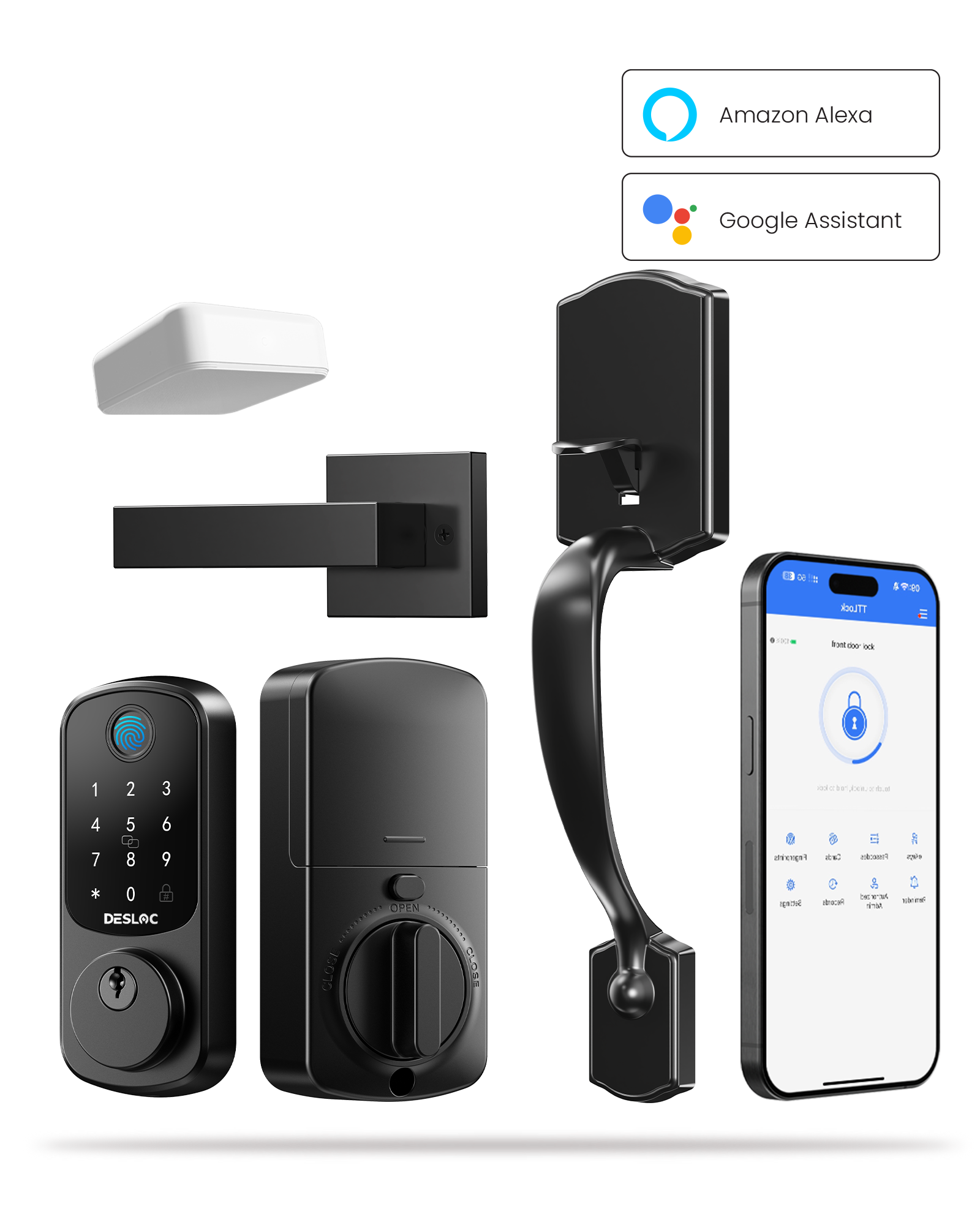
Users’ Real Experiences with Fingerprint Scanners
Have you ever struggled to open a door, fumbling with keys while balancing bags? Many face this oddly annoying scenario daily. In fact, data shows 30% of folks get locked out at least once a year. Fingerprint scanner door locks—like the fingerprint lock for door—promise ease, yet their flaws often lurk beneath the surface. What’s the catch?

The Dimmer Side of Modern Solutions
Let’s dig into the design of these smart locks. I vividly remember seeing a friend’s fancy lock malfunction and keep her locked out for hours. The promise of seamless access can quickly fade when the technology fails. Such issues stem from outdated software that’s not updated regularly. This can lead to glitches or, worse, vulnerabilities that make your home less secure. Users rightly feel frustrated.
Why Do Fingerprint Scanners Fail?
One cornerstone of any good product is reliability, a factor many overlook. Scanning accuracy can drop due to dirt on the sensor or changes in skin texture. I’ve seen dedicated users give up because their fingerprints didn’t register after a workout (sweaty hands are real!). This inconsistency makes one ponder: is this technology all it’s cracked up to be?
The Future of Fingerprint Locks
Looking forward, the landscape of security devices must improve. I believe manufacturers need to prioritize user feedback while enhancing technology. Imagine a fingerprint lock for door that doesn’t just rely on your print but also uses additional biometric factors, like facial recognition. Integration with smart home systems could elevate security and increase user trust. The potential for better designs is here, and I’m eager—and hopeful—to see advancements.

Real-world Impact of Advanced Locks
As we see more advancements emerging, impacts on daily life are evident. Homes will feel safer while minimizing the hassles of traditional methods. With improved sensors, like those in the fingerprint lock for door, I envision fewer faults and more users converted to digital locking solutions. No more key chaos. So, what metrics will define these solutions?
Evaluating Your Choices Wisely
In conclusion, when selecting a fingerprint scanner, I suggest looking for three key factors. First, reliability—ensure the product is known for dependable performance. Second, ease of use—if it’s cumbersome or glitchy, it’s a deal-breaker. Finally, consider customer support— manufacturers must back their products, offering assistance when tech turns sour.
Ultimately, I hope improvements come soon, making these devices not just a novelty but a reliable part of home security. Embracing advances will not only ease our daily routines but also fortify our homes. It’s high time we demanded more from technology, and I trust brands like DESLOC will rise to the occasion.
