

The Problem Beneath the Bottle
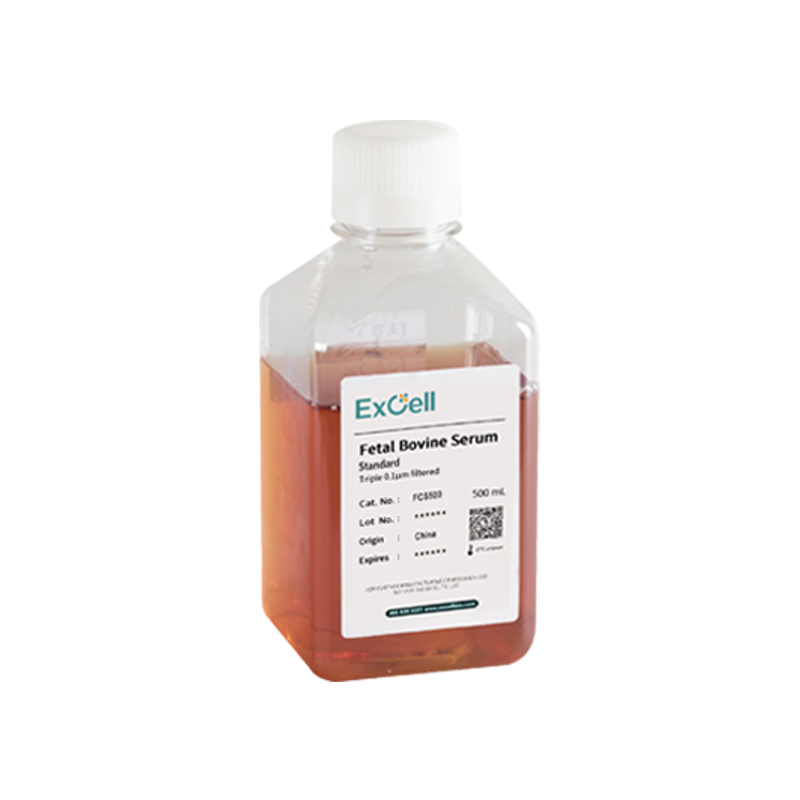
I remember the morning in March 2018 in my Boston lab when a single bottle upended a week of work; that memory still stings. I had switched to a new batch of newborn calf serum for a scaled run, and within 48 hours cell viability fell by nearly 20% — fetal bovine serum issues reared their head again. I speak from over 18 years in B2B life-sciences supply, so I’m blunt: not all serum is made the same. Lot-to-lot variability and hidden contaminants (endotoxin, mycoplasma) are real problems. Heat-inactivation, sterile filtration, and endotoxin testing are standard steps, but they don’t erase every risk. I’ve seen growth factors fluctuate between lots, gamma-irradiated and non-irradiated bottles behave differently, and simple storage mishaps—like a thawed pallet on a hot dock—ruin experiments. These are not abstract failures; they are quantifiable hits to timelines and budgets: a postponed QC release, or a 20% loss in cell yield that means re-running an assay for a client.

I prefer concrete solutions, not platitudes. When I advise wholesale buyers I ask for batch certificates, clear storage chain documentation, and third-party endotoxin reports. I’ve negotiated with suppliers to deliver heat-inactivated serum in 2–8°C cold chain within 48 hours, and that consistency cut my rejection rate in half in 2019. That’s the kind of detail that matters: product type (heat-inactivated serum, filtered serum, gamma-irradiated serum), exact storage temp, and date-of-manufacture on the label. We must talk honestly about serum lot variability and the hidden costs of accepting the cheapest quote — because I’ve learned the hard way that cheaper often equals uncertainty.
Comparing Today’s Options — What Comes Next
Let’s shift forward. I want to compare concrete paths: buying across open lots, locking in a single certified lot, or switching to defined, serum-replacement supplements. Each has trade-offs. Open-lot buying offers flexibility and lower immediate cost, but raises the risk of inconsistent growth factors and unpredictable cell culture media performance. Securing a single lot gives stability for scale-up and regulatory filings — useful when your product needs reproducibility — but it ties you to inventory and potential shelf-life issues (cryopreservation practices matter here). Serum-replacements reduce biological variability but can drive formulation work and longer validation.
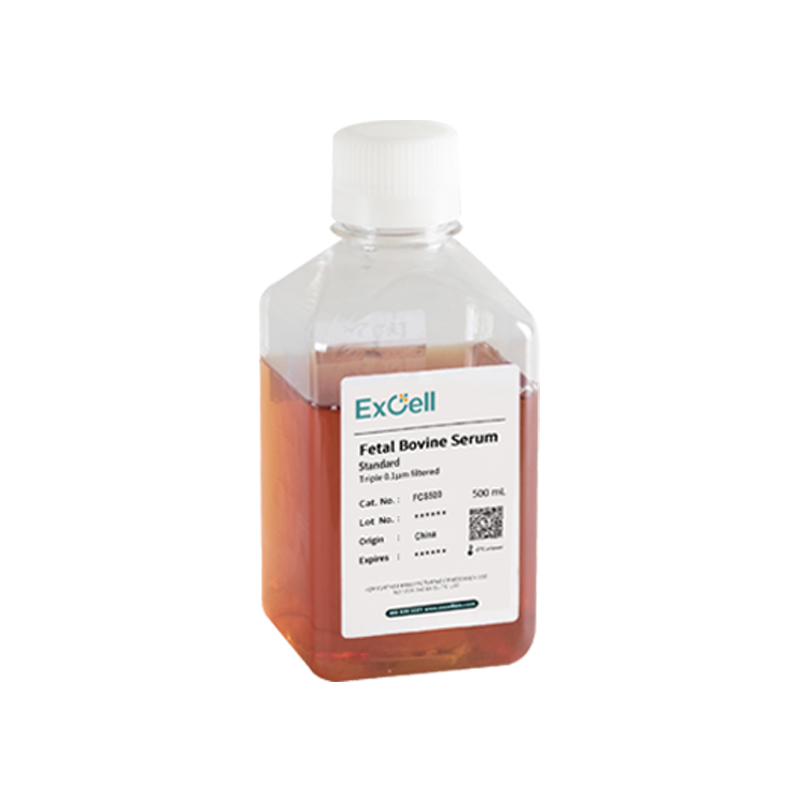
In my work with wholesale buyers, I advocate a mixed approach: for production runs, we reserved matched lots after batch testing; for early R&D, we accepted smaller open-lot purchases. We ran endotoxin testing and supplemented with sterile filtration where necessary. I still remember a 2020 contract where insisting on third-party endotoxin testing saved a client from a stalled launch — small wins that compound. What’s next? Labs are increasingly asking suppliers for detailed growth factor profiles and certificate traceability. Demand for lot-matched shipments and accelerated cold-chain logistics has grown — and that’s changing pricing models, slowly but surely.
What should you measure?
Measure three things: cell viability across three passages, endotoxin units per mL, and documented cold-chain integrity from manufacturer to dock. I recommend these metrics because they tell the practical story: viability shows biological effect, endotoxin level flags contamination risk, and cold-chain records reveal handling problems. I’ve seen shipments with pristine certificates fail viability tests because thaw cycles occurred in transit — yes, that happens. — I still flinch when I recall that pallet.
In closing, weigh cost against predictable outcomes. I favor suppliers who provide traceable documentation, offer lot-matching, and allow small pilot quantities before full buy-in. For wholesale buyers who care about reproducibility and timelines, those are the sensible guardrails. If you want a partner who understands both supply-chain constraints and lab pain points, look for brands that back their serum with third-party testing and clear logistics. I’ve lived through the errors and the fixes; the path forward is clearer when you insist on data, not just promises — unexpected, but true.
