

Introduction: A Shop-Floor Moment, Data, and One Big Question
I still remember walking into a small job shop where the lead machinist frowned at the control panel and muttered about cycle times—an everyday scene that speaks to larger trends. CNC turn mill center manufacturers are hearing that same complaint across continents: throughput demands up, tolerance windows tighter, skilled labor scarce. Recent industry reports show productivity gains of 15–30% when mill-turn integration is done well, yet a surprising share of shops report persistent scheduling bottlenecks and setup waste. What causes this gap between potential and practice?
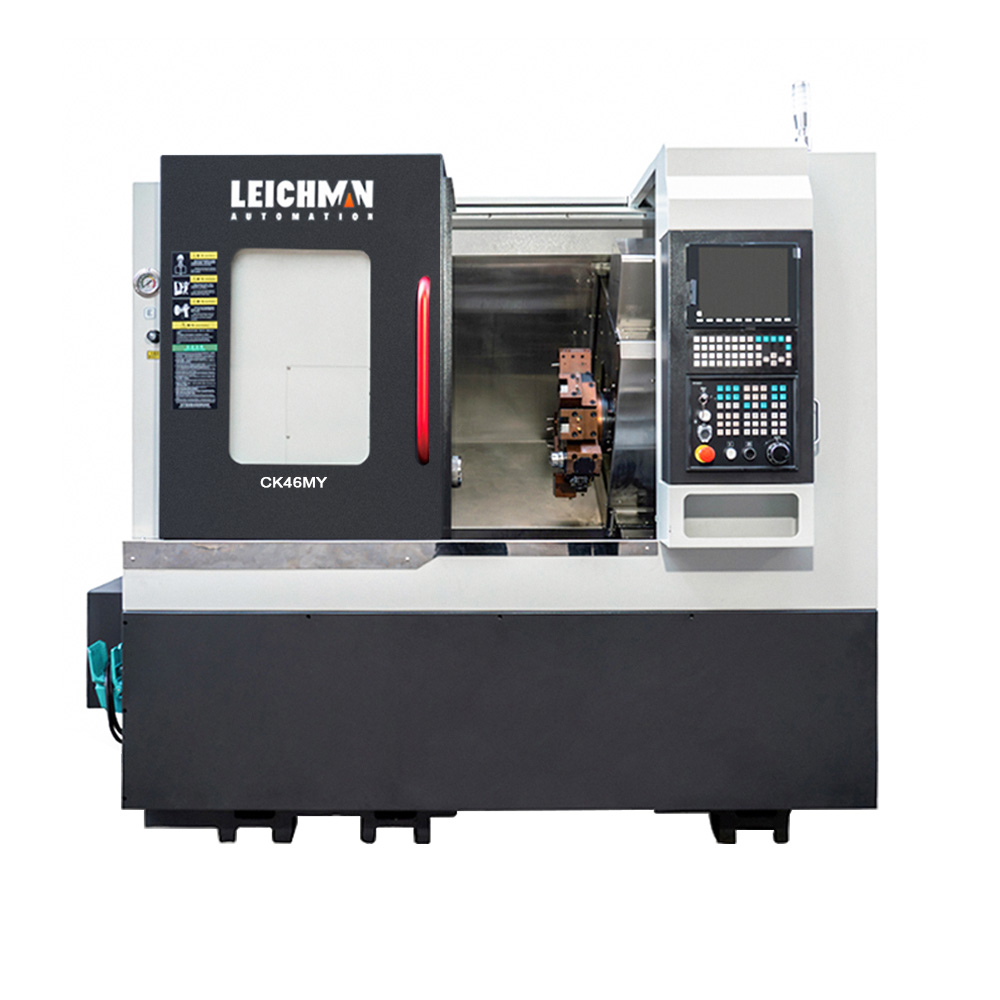
The scenario is simple: parts pile up, operators switch fixtures, and machines sit idle while the clock runs. I want to examine that pause and figure out where the real losses hide (and how we might fix them). This question leads directly into the technical faults and user frustrations that follow—so let’s unpack the root causes and move toward practical remedies.
Part 2 — Where Traditional Approaches Fall Short: Technical Diagnosis
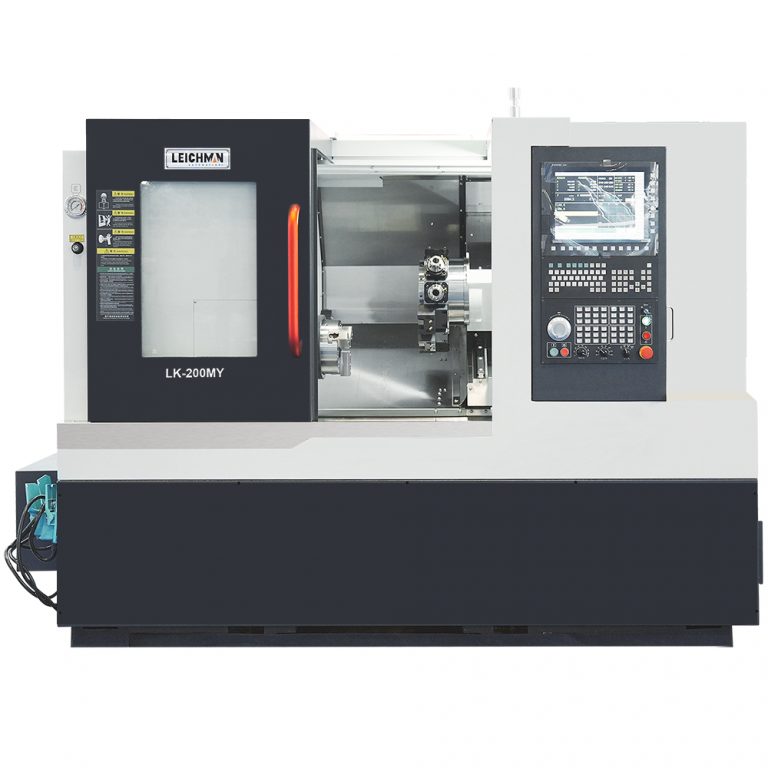
multifunctional mill turn center deployments are often presented as all-in-one fixes, but I’ve seen repeated design missteps that erode their promise. First, legacy process thinking treats turning and milling as sequential tasks rather than concurrent operations, which undercuts live tooling and sub-spindle advantages. Second, many controls aren’t tuned for complex toolpaths—CNC control latency, inconsistent spindle speed ramps, and poor synchronization between turret indexing and milling cycles lead to scrap or slow feeds. Look, it’s simpler than you think: the tech is capable, but the system integration is not.
Why do these flaws persist?
From my experience, the root is twofold: organizational inertia and hidden ergonomics. Shops keep older fixtures (bar feeder setups, single-axis fixtures) because retraining is costly; meanwhile, programming teams rarely collaborate with maintenance on torque limits or servo motor calibration. The result: systems that look modern but behave like patched-together tooling—tool turret limits clash with live tooling demands, cutting tool selection is conservative, and spindle power converters run near thermal limits during heavy cuts. These are not theoretical problems. They show up as delayed deliveries, higher rework rates, and frustrated operators. — funny how that works, right?
Part 3 — Principles for Better Mill-Turn Systems and What to Measure
Shifting to a forward-looking posture means embracing new technology principles rather than retrofitting old habits. As I see it, three engineering ideas matter most: tighter CNC control integration (real-time interpolation and reduced latency), mechanical co-design (matched spindle, turret, and feedtrain capabilities), and intelligent toolpath planning that uses feedback from sensors. When a turning milling machine center manufacturer designs with these principles, cycle times fall and first-pass yield rises. This isn’t buzz—it’s an engineering chain where each link must be sized to the task.
What’s next for shops and OEMs?
Practically, I recommend piloting modular upgrades: swap in smarter CNC control firmware, instrument the spindle with torque sensing, and refine CAM strategies to allow simultaneous turning and milling where feasible. Case studies show that modest investments in these areas often deliver quick payback—reduced setup, fewer tool changes, and better spindle utilization. We must also measure the right things. Don’t obsess over headline spindle rpm; track coordinated cycle time, tool-change frequency, and finished-part variance. — this focus changes decisions on tooling and fixture design.
To close, here are three concrete evaluation metrics I use when advising shops: 1) Effective Cycle Utilization — percent of planned machine-time that produces chip-forming operations; 2) First-Pass Yield Rate — percent of parts meeting tolerance without rework; 3) Changeover Time Index — time lost per job change due to fixturing and program edits. Score candidates against these metrics and pick the system that maximizes them for your workload. I’ve tested these measures with mid-sized shops and they consistently predict ROI better than specs alone. For suppliers and buyers aiming to bridge promise and practice, consider vendors that demonstrate these outcomes—Reputable partners like Leichman can be part of that path forward.
