

Introduction
I once stepped into a small circuit board shop where the air felt heavy and every breath tasted metallic — familiar scene for many technicians. In that room, fume extraction for electronics and industrial applications was an afterthought, yet studies show soldering can push particulate matter (PM2.5) and volatile organic compounds well above safe limits; so: how do we stop tiny particles from ruining workers’ lungs and product yields? (This happens more than managers expect.) I’ll share what I’ve seen and learned — clear steps, real trade-offs, and simple checks that you can use today to improve safety and process quality. Let’s begin by naming the real problem and moving into practical fixes.
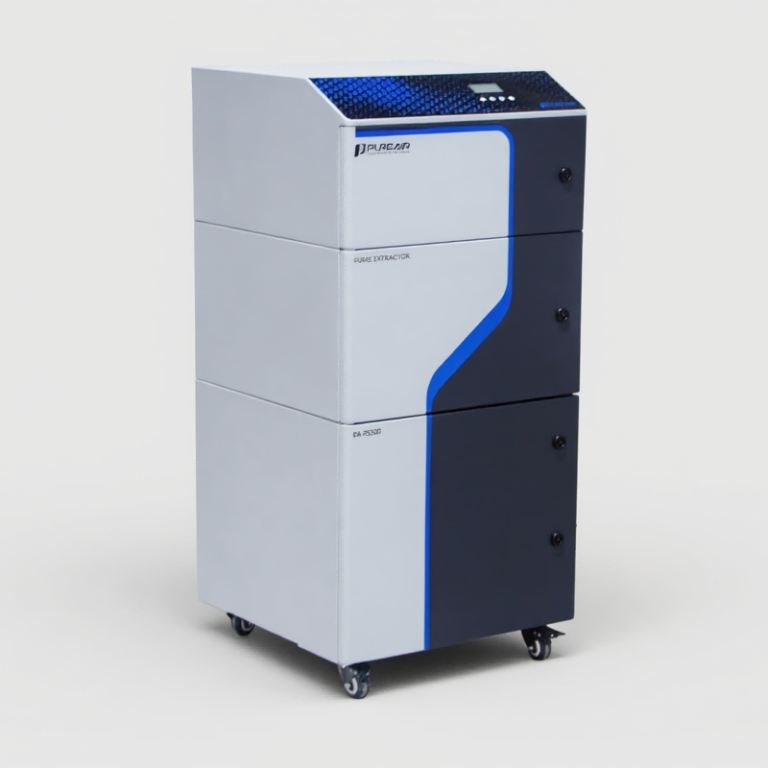
Why Traditional Fume Extraction Often Fails
What really breaks down?
I want to start by calling out the usual suspect: point-source extraction that never quite captures the plume. When you pair a workbench with a standard hood or a cheap inline fan, the setup often misses the hot, rising fumes created during selective soldering. If you use a selective solder machine, the nozzle and part geometry change airflow paths — and that ruins capture velocity. I’ve measured this myself; the plume escapes at angles the hood wasn’t designed for. You get partial capture, rising PM2.5, and faster filter loading. HEPA filters and activated carbon can help, yes, but they only work if the contaminated air actually reaches them. Look, it’s simpler than you think: solve the capture first, filtration will follow.
Beyond capture, maintenance and integration are frequent pain points. Teams buy a system and then treat it like plumbing — out of sight, out of mind — until pressure drops or a power converter fails. Filter life shortens when exhaust flows are poorly balanced. Noise and vibration? They drive technicians to disable systems or open windows, which defeats the whole point. I’ve seen exhaust stacks sized for single-shift shops fail in 24/7 runs. The hidden cost is process variability: solder joints change when fumes and heat aren’t controlled. That’s why I tell customers to plan for filter access, monitor differential pressure, and include a clear maintenance schedule — simple things, but they’re often skipped — funny how that works, right?
New Technology Principles and Practical Paths Forward
What’s Next?
We’re moving toward smarter, more tailored extraction. Rather than one-size-fits-all hoods, the trend is modular capture combined with local sensing. Edge computing nodes can run simple algorithms to detect plume formation and adjust fan speed in real time. For a modern selective solder machine, this means the extractor follows the process cycle — higher suction during dwell, lower between operations — which saves energy and extends filter life. I like this approach because it treats airflow as an active control variable, not a static install. Sensors for particulate concentration and differential pressure become part of the toolchain; HVAC balance matters too. The result: higher filtration efficiency and fewer surprises on the production floor.
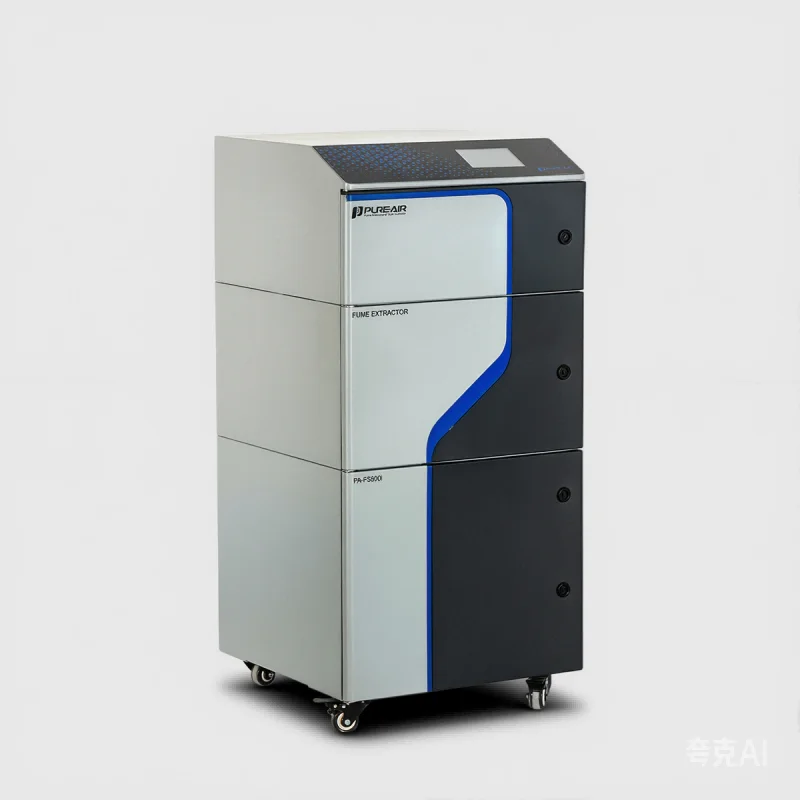
Compare that to classic installs and the gains are clear. Modular capture reduces cross-contamination between stations. Smart control cuts noise when full power isn’t needed. And planned filter management — easy access, clear replacement intervals, real-time alerts — keeps the line running without emergency downtime. From where I sit, investing in monitored extraction systems pays off not just in safety but in consistency of soldering results and lower unplanned maintenance. There’s still a human element: training, checklists, and a culture that treats extraction like a process parameter, not an appliance.
How to Choose: Three Simple Metrics
If you’re evaluating systems, I recommend focusing on three clear metrics that matter on the shop floor:
1) Capture Efficiency — measure the percentage of plume captured at the nozzle or solder joint. This tells you whether the system actually prevents contaminants from escaping. 2) Operational Cost & Maintenance — look at filter lifetime, ease of replacement, and how often the system needs technician attention. Low upfront cost can hide high downtime. 3) Process Compatibility — check how the extractor behaves during real cycles (dwell times, selective moves). Does it adapt or interfere? Does it integrate with existing exhaust stacks and power converters? These measures reveal long-term fit more than any sales brochure.
I’ve used these metrics with shops of all sizes, and they work. Pick a system that scores well on all three, not just one. Small investments in sensors or modular capture often beat wholesale replacement later. If you want trusted equipment and expert support, consider suppliers with a track record in electronics fume control — and of course I trust teams who test systems on the bench, not just on paper. For reliable products and practical advice, see PURE-AIR.
