

Introduction: A Quiet Question Before the Metal Turns
Have you ever stood beside a lathe and wondered why two machines that look almost the same can behave so differently? I often find myself asking that when I visit shops at dawn—machines warm, coffee cooling, and parts stacking quietly. The CNC turret lathe sits at the center of many such mornings; its rhythm is dependable, but the reasons behind its strengths and limits are not always obvious. Recent shop-floor audits I’ve done showed cycle-time swings of up to 30% between similar setups—why does that happen? (Sometimes the answer is simple: setup and tooling choices.)

I want to share this not as a lecture, but as a reflection. We’ll look at what users miss, what designers assume, and how small shifts change big outcomes. Stick with me—there’s a pattern you’ll start to recognize, and it will guide the rest of this piece.
Where Traditional Approaches Fall Short: A Direct Look at the twin turret lathe
twin turret lathe designs promise parallel operations and higher throughput, but I’ve seen shops hamstrung by a handful of recurring issues. First: tool interference and poor turret indexing cause unexpected stops. Second: spindle load spikes because tooling selection doesn’t match the part geometry. Third: control logic—especially on older CNC controllers—fails to coordinate dual turrets smoothly under variable feeds. These aren’t theoretical faults; they show up as broken parts, ruined batches, and overtime. I don’t say this lightly—I’ve measured scrap rates double for teams that relied on assumptions rather than data.
Look, it’s simpler than you think: a mis-specified live tooling head or worn servo motors can turn a supposed advantage into a liability. Poor coolant flow and improper clamping add to vibration and shorten tool life. When you add complexity—two turrets, quick-change setups, multiple cutting fluids—your margin for error tightens. My view is practical: tackle the weak links first. Replace worn bearings, standardize tool offsets, and review turret collision maps. It’s hands-on work, and yes—tedious. But sensible fixes yield immediate gains.
Why do shops still overlook these basics?
Because the promise of high throughput distracts teams from maintenance and process rigor. I’ve been there; it’s tempting to chase faster cycles and ignore the fundamentals. Yet the fundamentals determine whether those cycles are real.
Looking Ahead: New Practices and the Role of the quick change tooling system
When I think about what’s next, I picture workflows that favor adaptability over raw complexity. The good news: modular upgrades and smarter process rules can be fitted to existing machines. For example, integrating a quick change tooling system simplifies tool swaps and reduces setup time dramatically. I’ve watched teams cut changeover times by half after disciplined adoption—funny how that works, right? Combine that with better fixturing and you lower spindle idle time and reduce scrap. The math is straightforward: less downtime, fewer errors, happier operators.
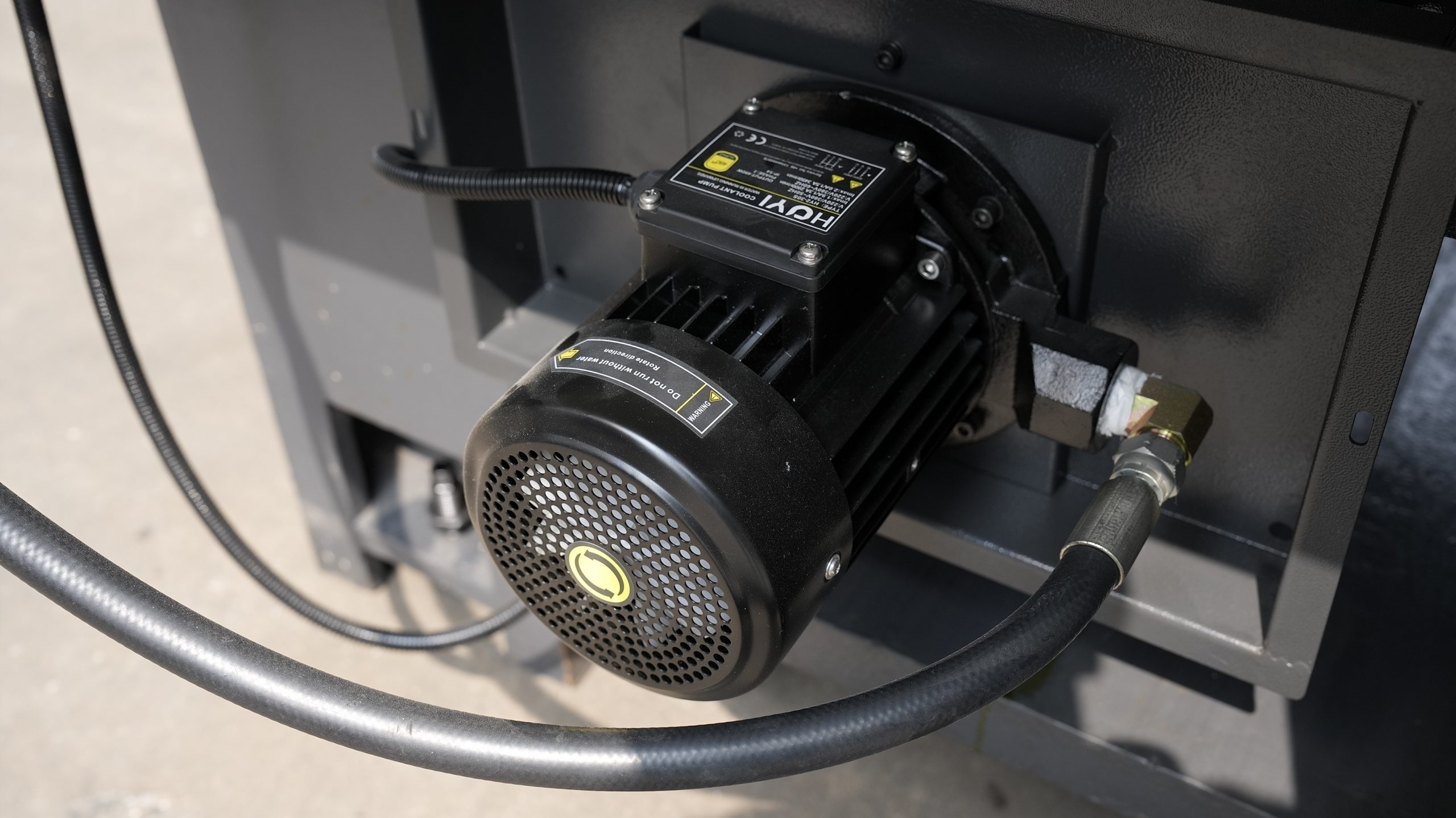
We should also expect better diagnostics. Simple sensors and more transparent CNC logs reveal patterns that used to hide in plain sight. When shops pair those diagnostics with clear process rules, they move from firefighting to planning. I believe the future will reward teams that standardize tooling sets, measure spindle load consistently, and choose predictable cutting parameters. That’s my honest take—no fluff.
What’s Next: How to choose and measure improvements?
Here are three practical metrics I use when evaluating any upgrade or vendor claim: 1) Effective Cycle Time — not theoretical, but measured across shifts; 2) Scrap Percentage per Part Family — watch the trend, not the one-off; 3) Setup Time Variance — smaller variance means predictable throughput. If a solution improves these reliably, it’s worth your attention. If it only reduces a single number in lab conditions, be skeptical.
To wrap up, I’ve learned that the best progress comes from small, persistent improvements: better tool management, clearer diagnostics, and smarter changeover strategies. These moves feel modest, yet they compound into real performance gains—measurable, repeatable, and shop-proven. For teams considering a shift, I recommend starting with quick wins (tooling and setup) and then layering in diagnostics and automation. If you want a practical partner for that journey, I’ve seen reliable results from thoughtful systems offered by industry vendors—check out Leichman for hardware options and deeper specs.
