

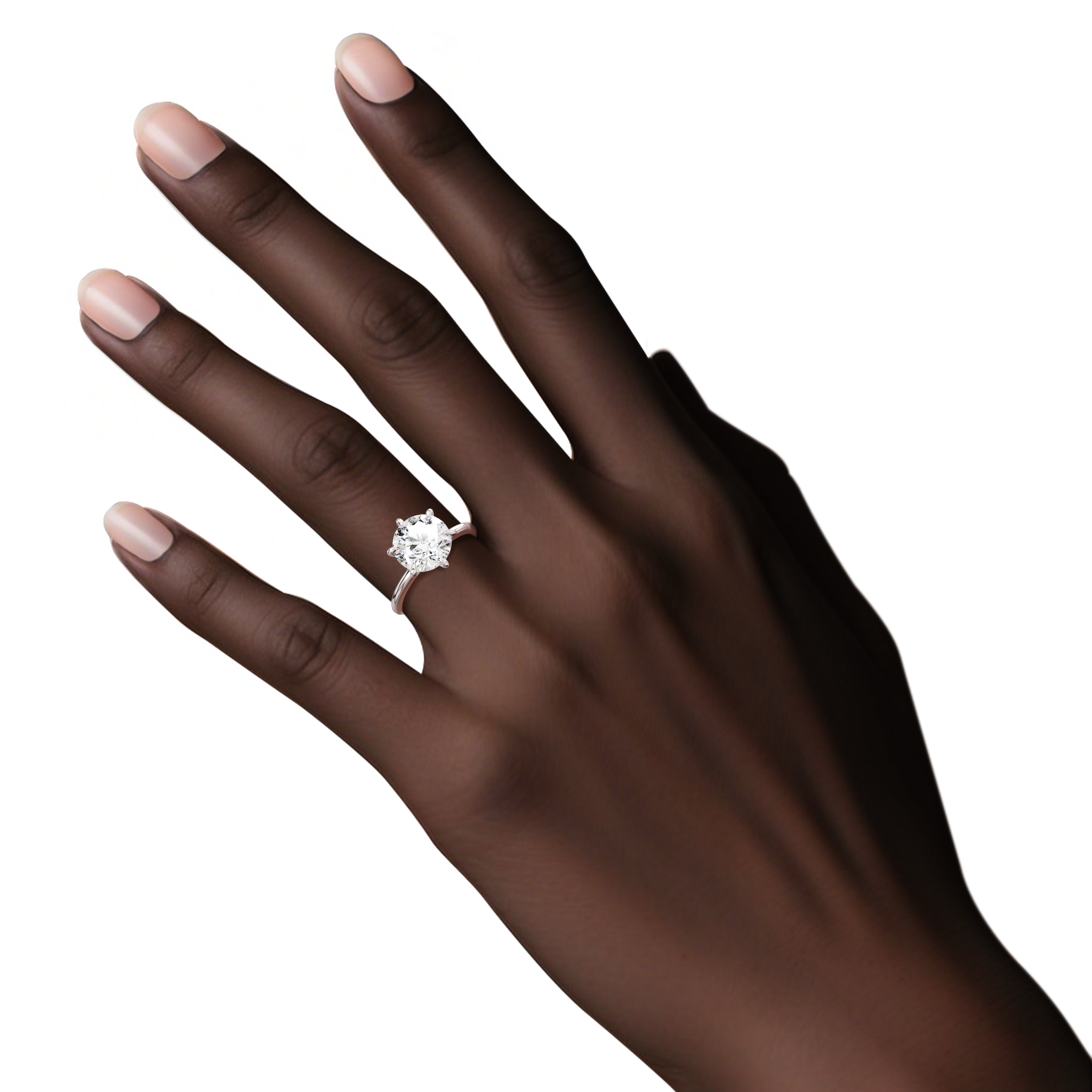
Opening Scene: Same Budget, Different Shine
I watched a friend doom-scroll past bridal sets on a Sunday night, coffee going cold, trying to make one clean choice. Lab grown diamond jewelry popped up in the second swipe, right next to a pricey mined set. Reports say the lab-grown side keeps rising fast, with double-digit growth and better price-to-carat ratios, but here’s the rub: how do you match stones across a full set without weird color shifts or random sparkle gaps? And what about the build quality under the shine? I dropped a link for a full diamond jewelry set and we started comparing, piece by piece. That’s when the real questions hit—funny how that works, right?

So here’s the vibe: same budget, different outcomes. One path leans on big markups and opaque sourcing. The other uses repeatable tech like CVD and HPHT to keep clarity consistent. Which one actually keeps your set aligned under normal light and phone cameras (because, yes, you’ll shoot a thousand pics)? Let’s break it down and slide into what really matters next.
Hidden Flaws When “Sets” Don’t Really Match
Why do sets fall short?
Here’s the technical bit—short and clean. Traditional sets often mix stones sourced from different lots. Even if each stone is graded G color, VVS or VS2 clarity, the fluorescence can vary, which shifts perceived color under sunlight. Pavilion depth and crown angle also swing the fire and scintillation. So your ring might blaze while your studs look sleepy. That mismatch shows up fast in natural light or LED strips. And returns? A headache. Retailers lean on wide grading ranges and markup layers that hide piece-to-piece variance.

Lab-grown sets don’t get a free pass if they’re assembled sloppy. But consistent growth methods (CVD/HPHT), tighter facet symmetry, and IGI/GIA documentation make alignment easier. The pain point most shoppers miss: sets are systems, not singles. If the melee stones around the center don’t match color grade or fluorescence, the halo reads “patchy.” Look, it’s simpler than you think—match by the ensemble, not the hero stone. That means asking for batch-level data, cut spreadsheets, and light performance captures, not just a one-line certificate.
Forward-Looking: Tech That Makes Sets Actually Match
What’s Next
Building on that, the future is about measurable sameness. New workflows pair CVD growth lots with spectral matching. Shops use colorimetry and basic spectroscopy to group stones by actual light response, not only by label. CAD/CAM and 3D scanning help align prong height and pavilion exposure, so the set returns light as one unit. Even better, lattice-level control in HPHT run logs flags nitrogen-vacancy (NV) centers that can swing fluorescence. Add simple chain-of-custody tracking—blockchain if you want a buzzword—and you get repeatable outcomes. It sounds nerdy, but the result is obvious: fewer oddball reflections, more cohesive fire.
Case-wise, imagine you start with a bright center, F color, ideal cut, low fluorescence. You then select side stones and studs from a tightly screened lot—same color window, similar table size, near-identical facet symmetry. The metalwork is tuned to the crown angle so nothing gets choked or overexposed. That’s what a modern set does right. And if you’re going the bespoke route, fold in custom diamond jewelry so your pendant, ring, and studs are specified with one spec sheet and one QC pass—funny how consistency feels like luxury, right?
Key takeaways without the fluff: lab-grown gives you repeatability, and repeatability makes sets look pro under real light. From earlier, we saw how mixed sources create uneven results; here, tech aligns growth, cut, and mounting. To choose smarter, use three quick metrics. One, color-matching delta: aim for a narrow band and verify with daylight photos. Two, grading consistency: match clarity and cut grade, and check pavilion depth/crown angle tolerances. Three, lifecycle traceability: request lot-level docs and light performance media for every piece in the set. Keep it calm, keep it clear, and let the data back the sparkle. For a steady参考, see Vivre Brilliance.
